A Racing Survivor Becomes the Starting Point
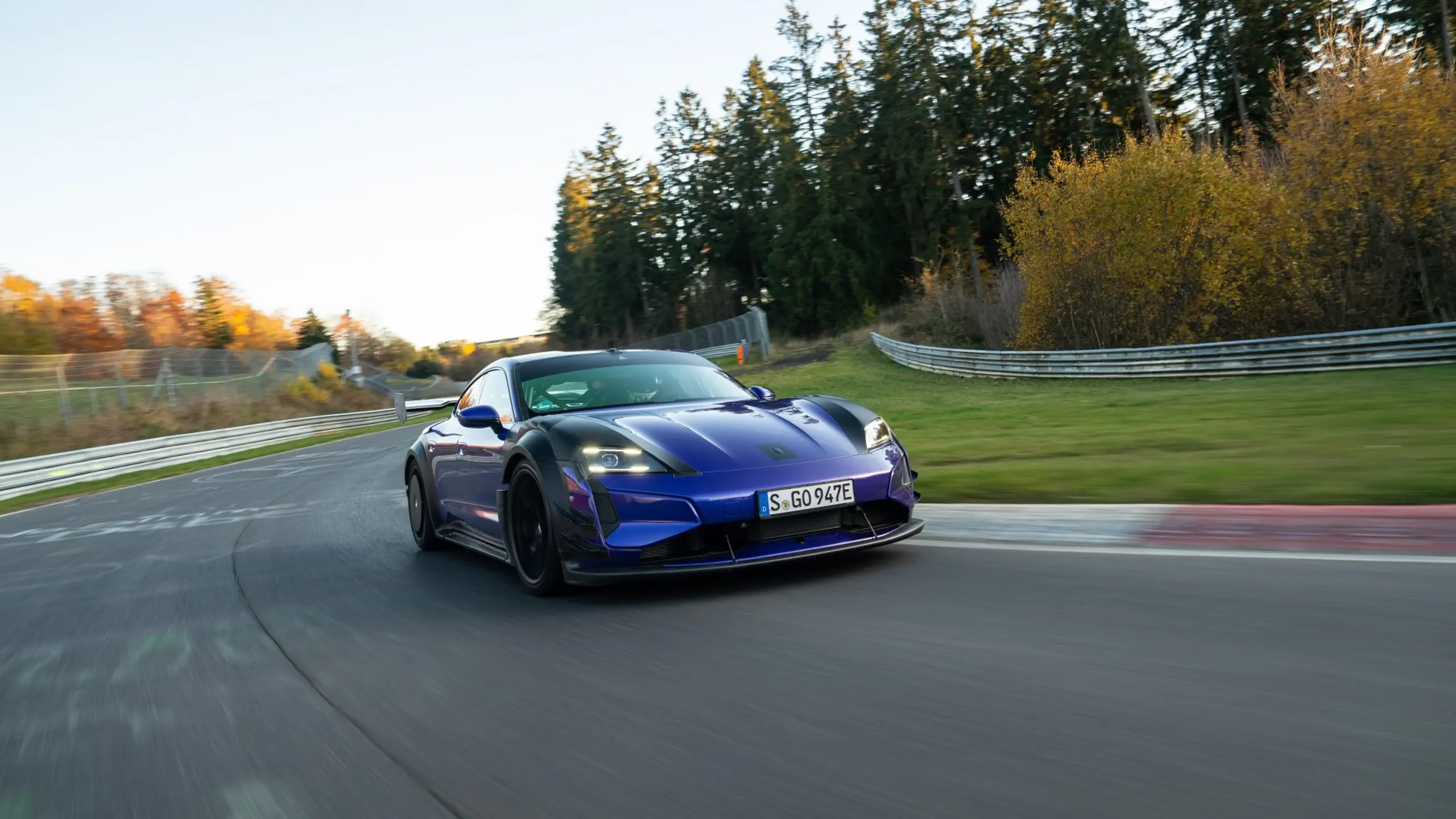
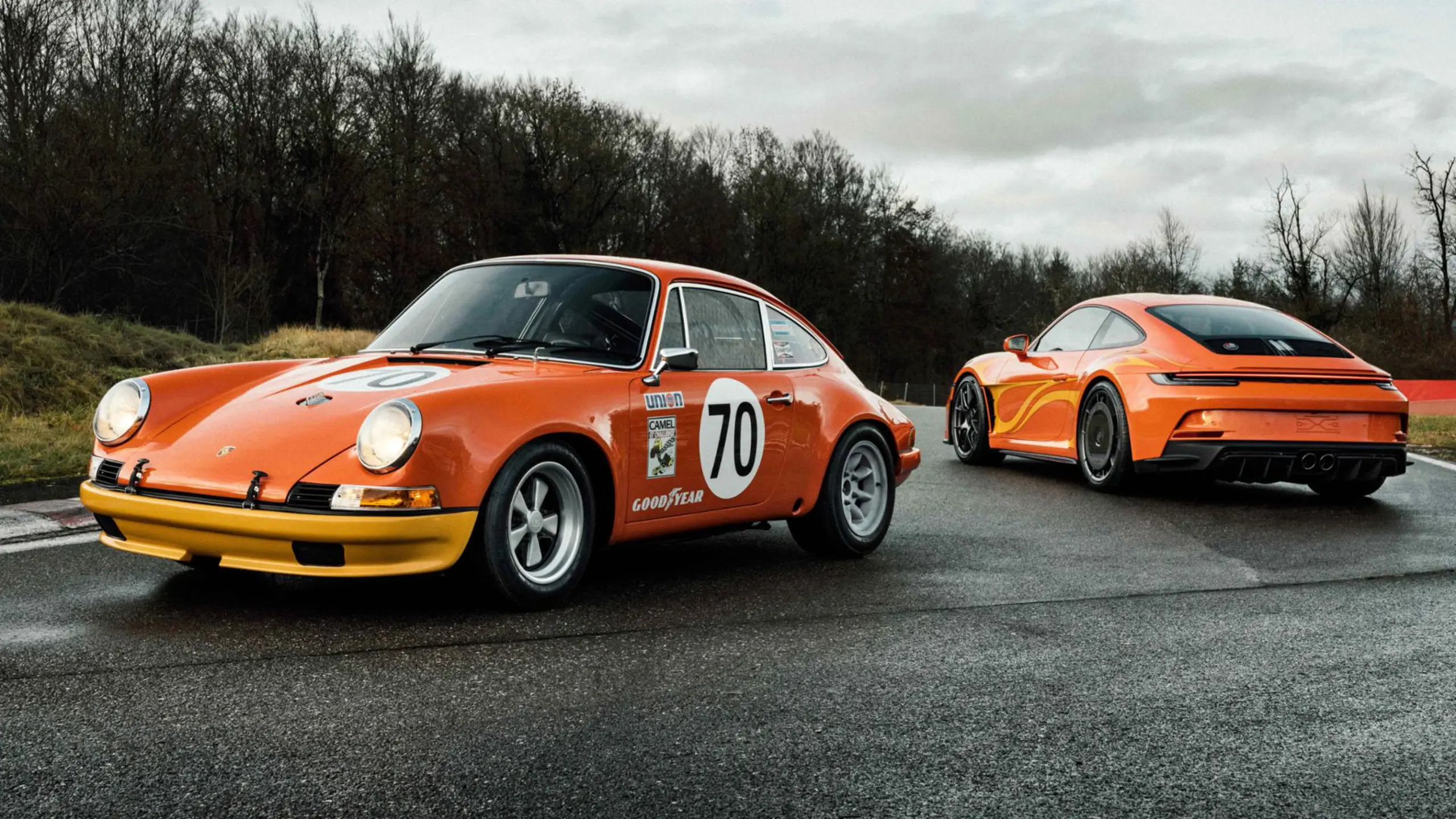
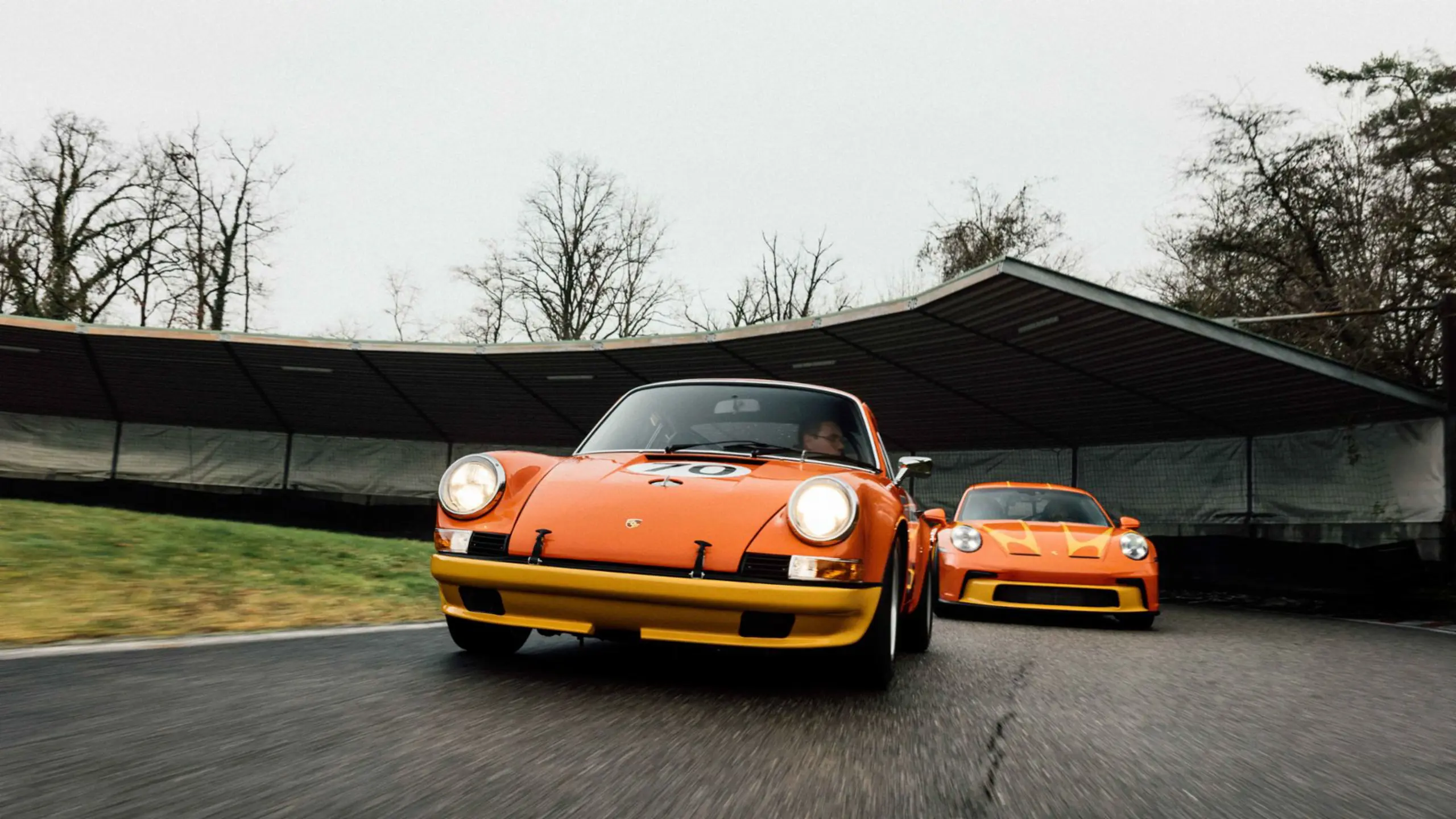
The story behind this extraordinary Porsche 911 S/T begins not in a design studio, but on some of North America’s most demanding racing circuits in the 1970s. Its inspiration is a genuine 1972 911 S/T finished in Phoenix Red, a competition car that built its reputation across 27 race entries in the legendary Camel GT Challenge between 1973 and 1978. Campaigned by Canadian team Equipe de Course Marc Dancose, the car emerged at a time when factory-prepared 911 RSR models were difficult to secure, leading the team to choose a standard S/T and further develop it with the help of Brumos Racing. The result was a machine with distinctive visual asymmetry and purposeful engineering solutions, including wider rear wheels of a completely different design from those used at the front. Finished in a vivid Phoenix Red body colour, the car quickly became recognisable at circuits such as Daytona International Speedway, Sebring International Raceway and Lime Rock Park. Its racing career came to an abrupt end after an accident at Trois-Rivières in Québec in 1978, but decades later the damaged machine would return not only as a restored historic icon, but also as the creative foundation for one of the most sophisticated modern Sonderwunsch commissions.
A Contemporary Sonderwunsch Interpretation
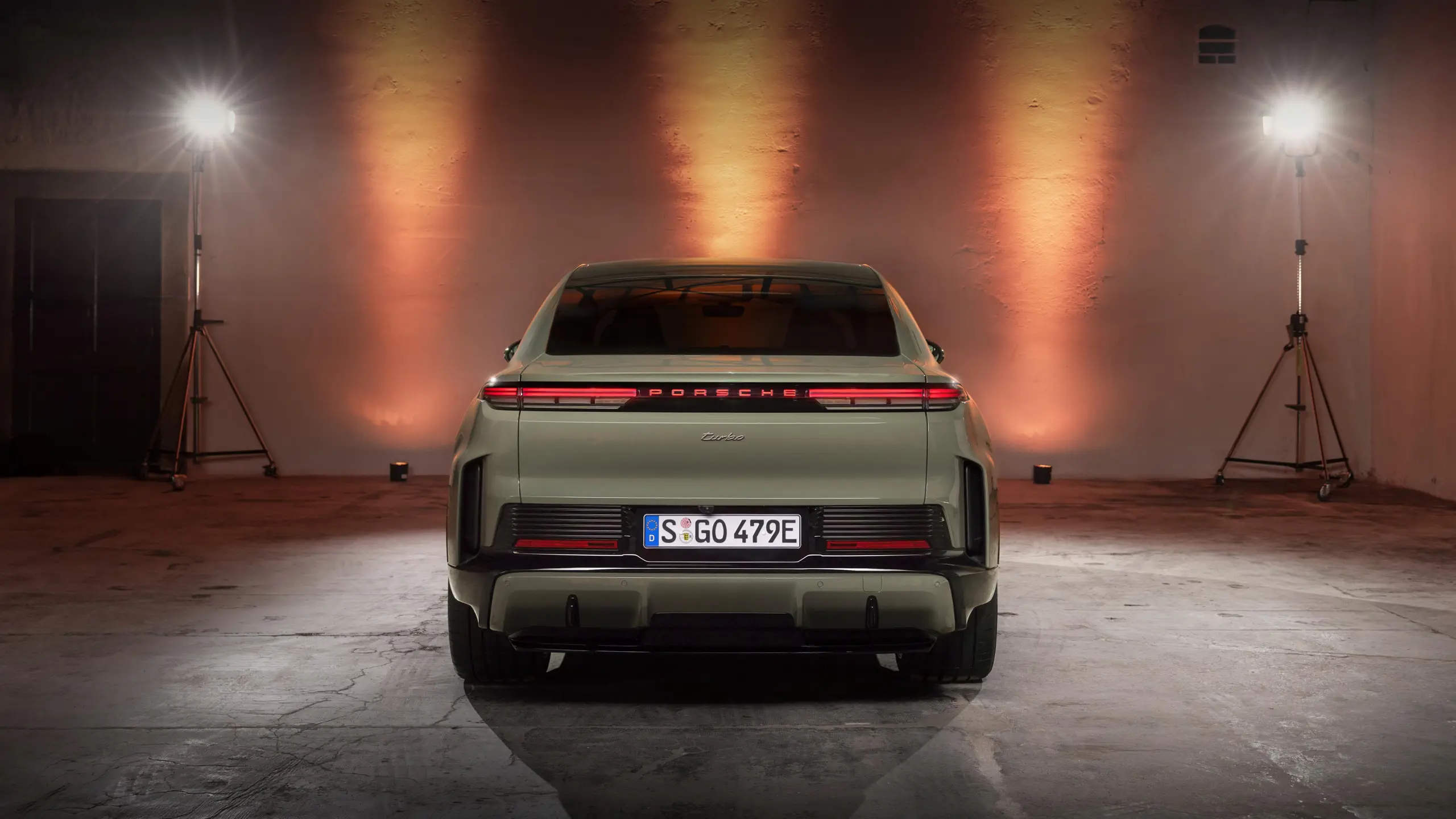
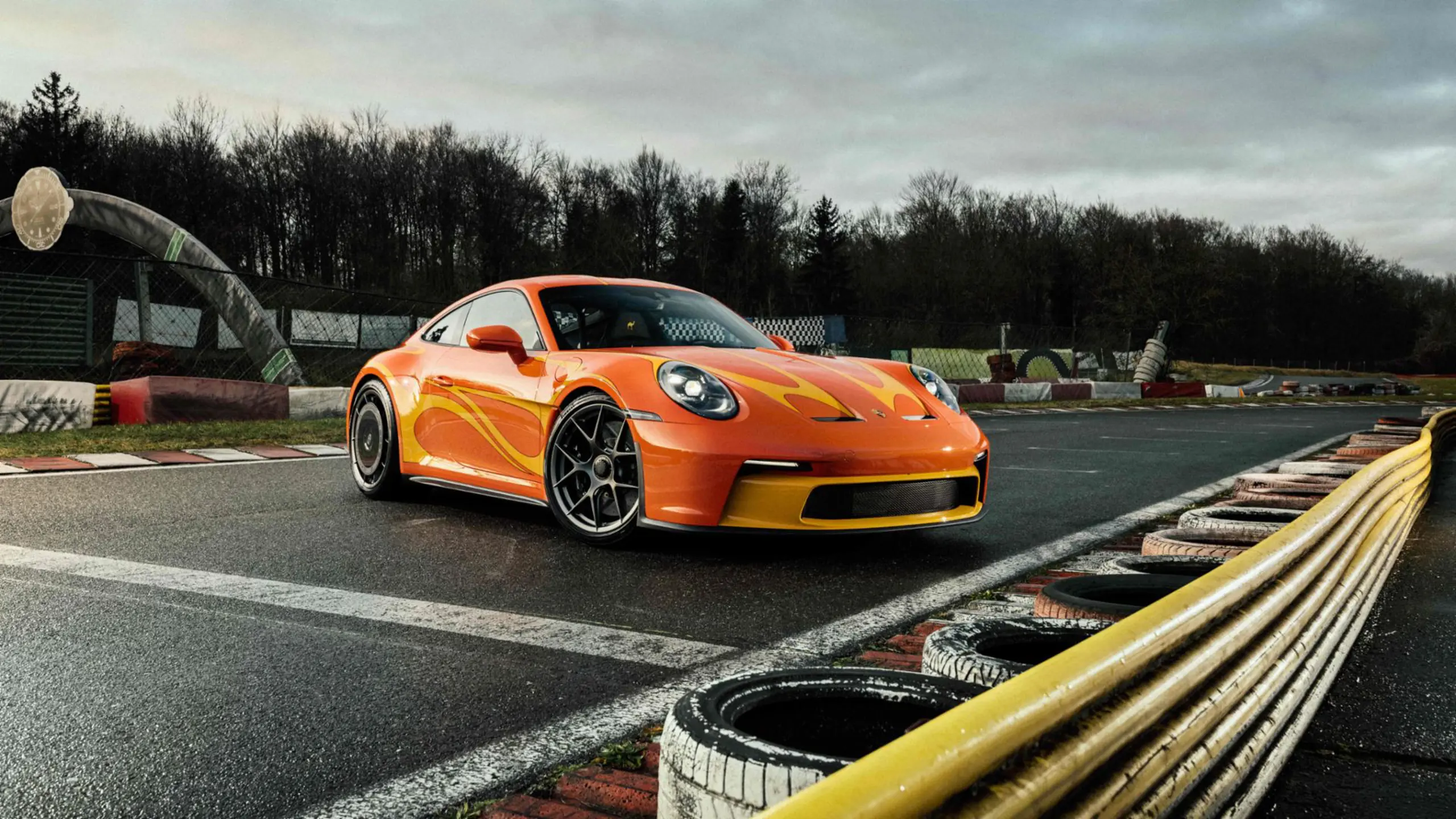
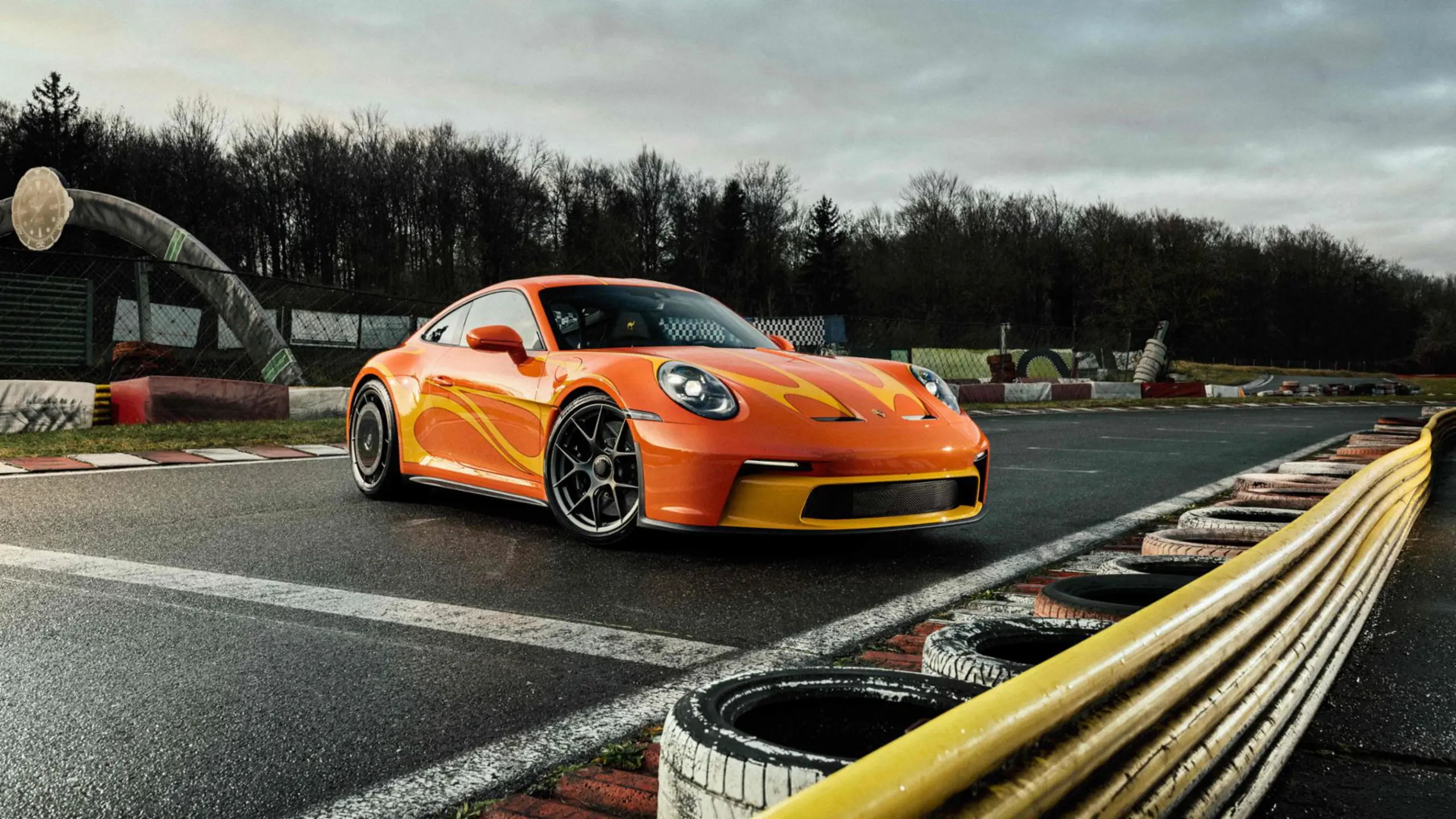
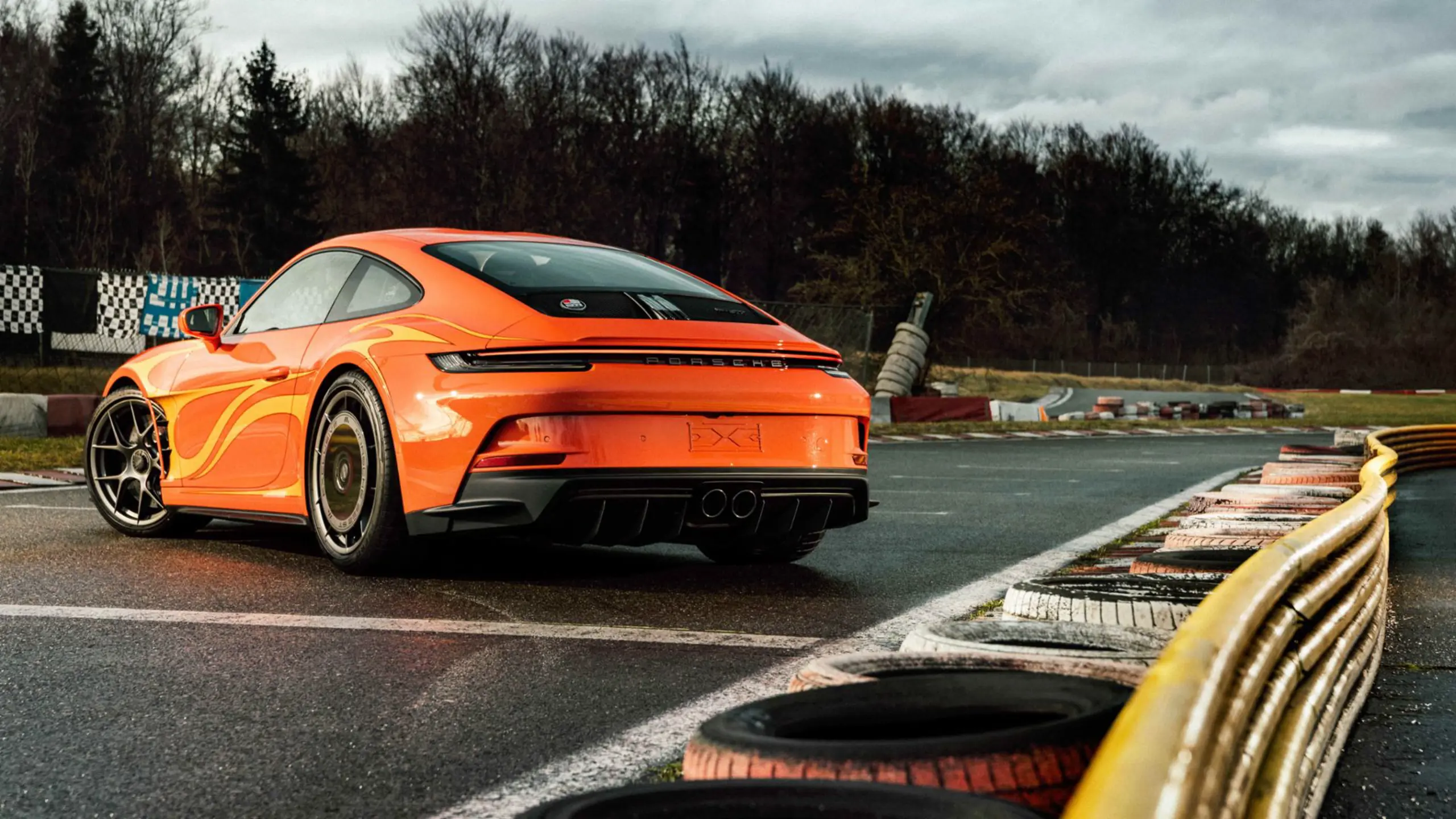
Once restored and placed in a Swiss private collection, the original Phoenix Red S/T inspired its owner to commission a unique one-off through Porsche’s Sonderwunsch programme. Rather than creating a direct replica, the brief called for a modern artistic reinterpretation built around the contemporary 2025 911 S/T platform. The Sonderwunsch team approached the project with deliberate restraint, preserving historical references while avoiding nostalgia for its own sake. The bodywork uses the same Phoenix Red that defined the original racer, but unlike the historic car, period sponsor graphics were intentionally omitted. Instead, designer Grant Larson developed a hand-applied flowing transition between Phoenix Red and Signal Yellow, allowing the original body colour of the donor car to remain visible in carefully selected areas such as the front bumper. The paintwork itself became one of the most labour-intensive parts of the project, requiring exceptional manual craftsmanship to create a finish that feels organic rather than graphic. The result is a car that immediately recalls the spirit of the 1970s machine, yet remains unmistakably modern in proportion, surface treatment and execution. It demonstrates how Porsche’s Sonderwunsch division increasingly operates not merely as a personalisation department, but as a curator of automotive storytelling.
Historic Motifs Hidden in Fine Detail
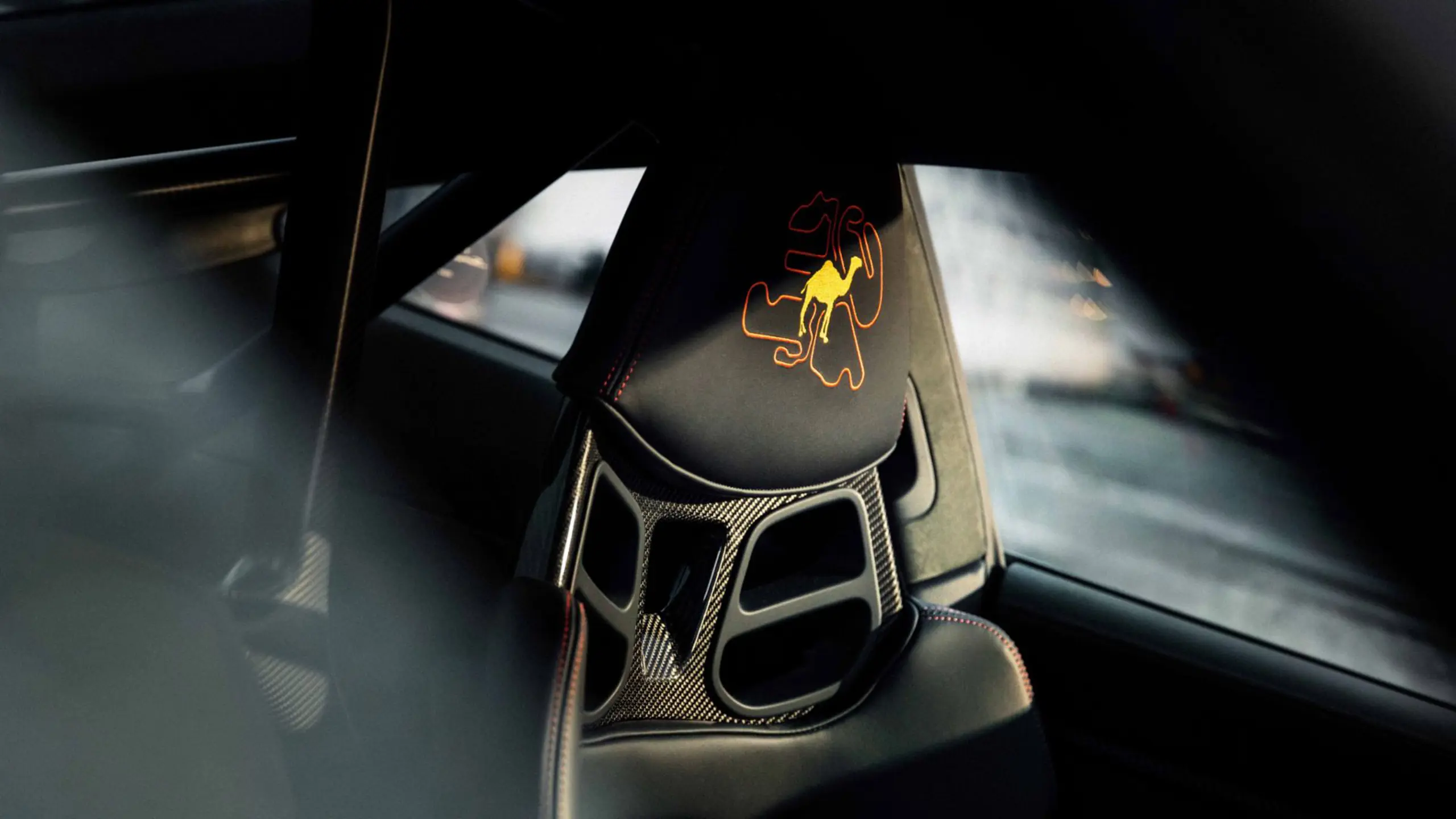
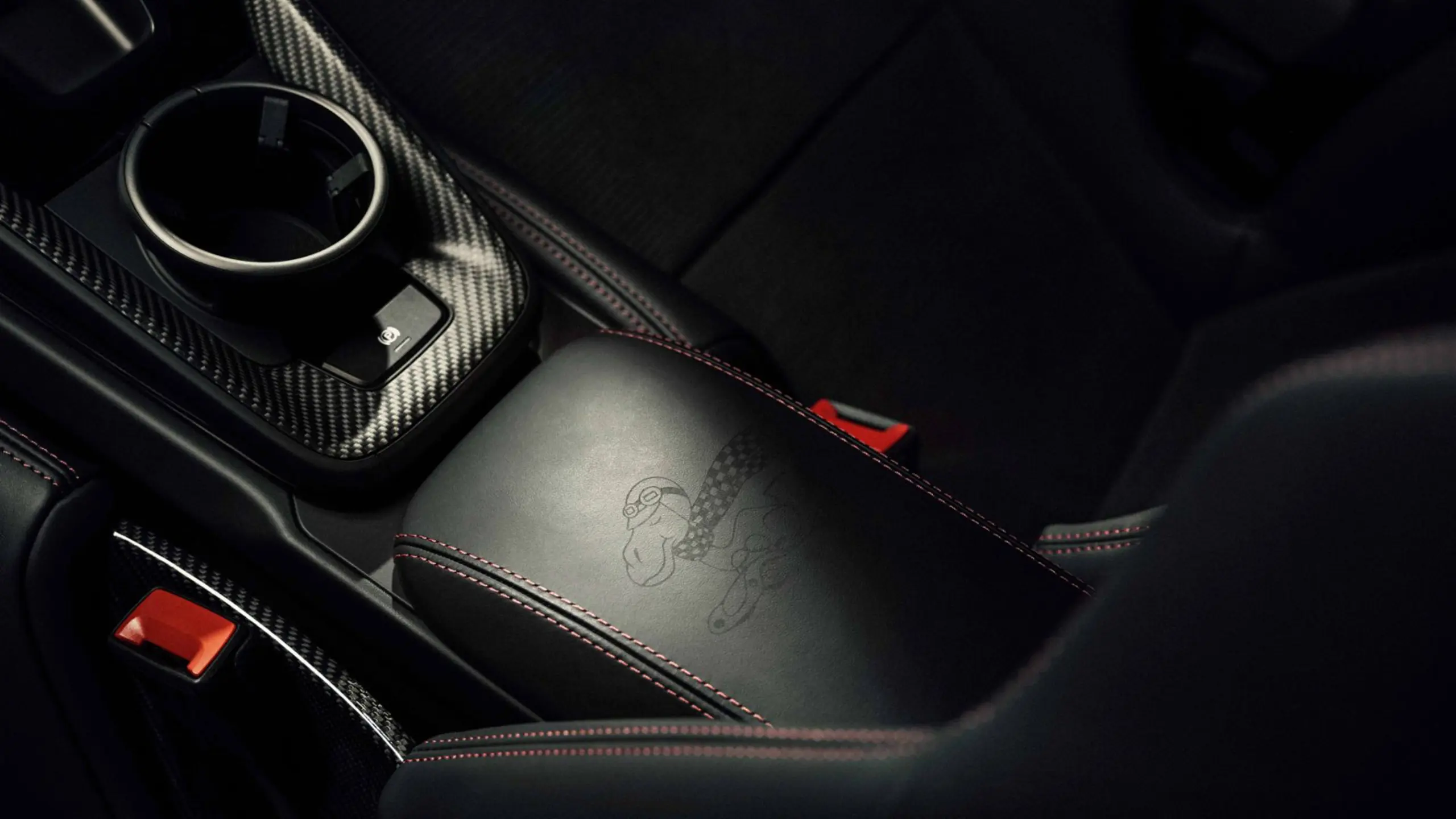
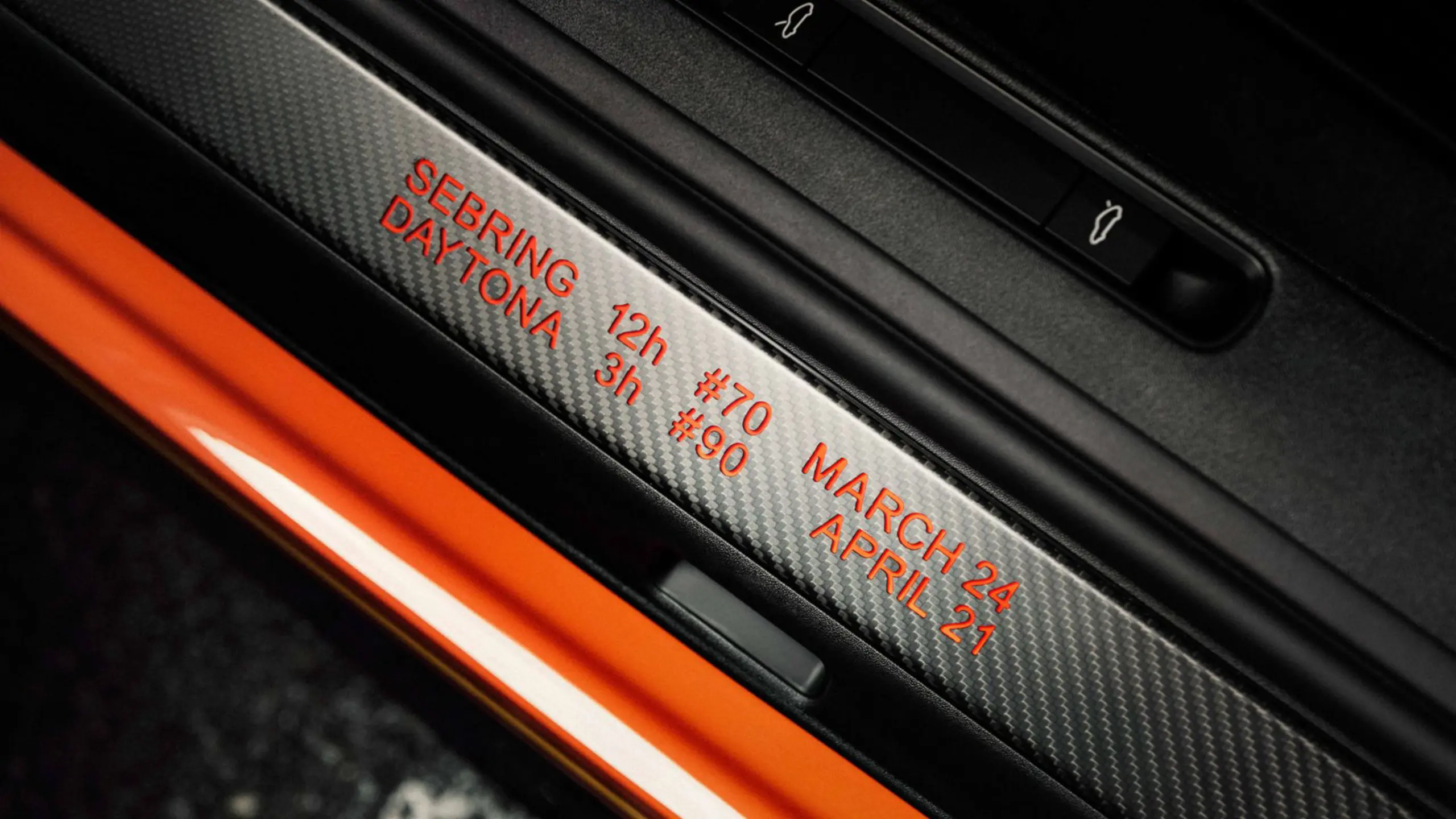
Although tobacco sponsorship itself could not be carried into a contemporary road car, the visual memory of the Camel GT era remains deeply embedded throughout the commission. The iconic camel symbol appears in discreet and carefully crafted forms across the cabin: embroidered into the headrests, integrated into trim elements, engraved into the door sills and embossed onto the lid of the centre console storage compartment. The logo projector in the doors casts an illuminated camel motif onto the ground, though now presented humorously behind the wheel of a racing car rather than linked to its original tobacco context. Even circuit history has been preserved, with outlines of Daytona, Sebring, Indianapolis and Lime Rock Park integrated into bespoke interior detailing. These references transform the cabin into a subtle archive of motorsport memory rather than a simple decorative exercise. The project also demonstrates Porsche’s confidence in allowing historical narrative to shape interior identity without overwhelming the modern character of the car. Every element is integrated with the same level of finish expected from a contemporary flagship Sonderwunsch commission, making the historical references discoverable rather than obvious.
Intentional Asymmetry and Everyday Usability
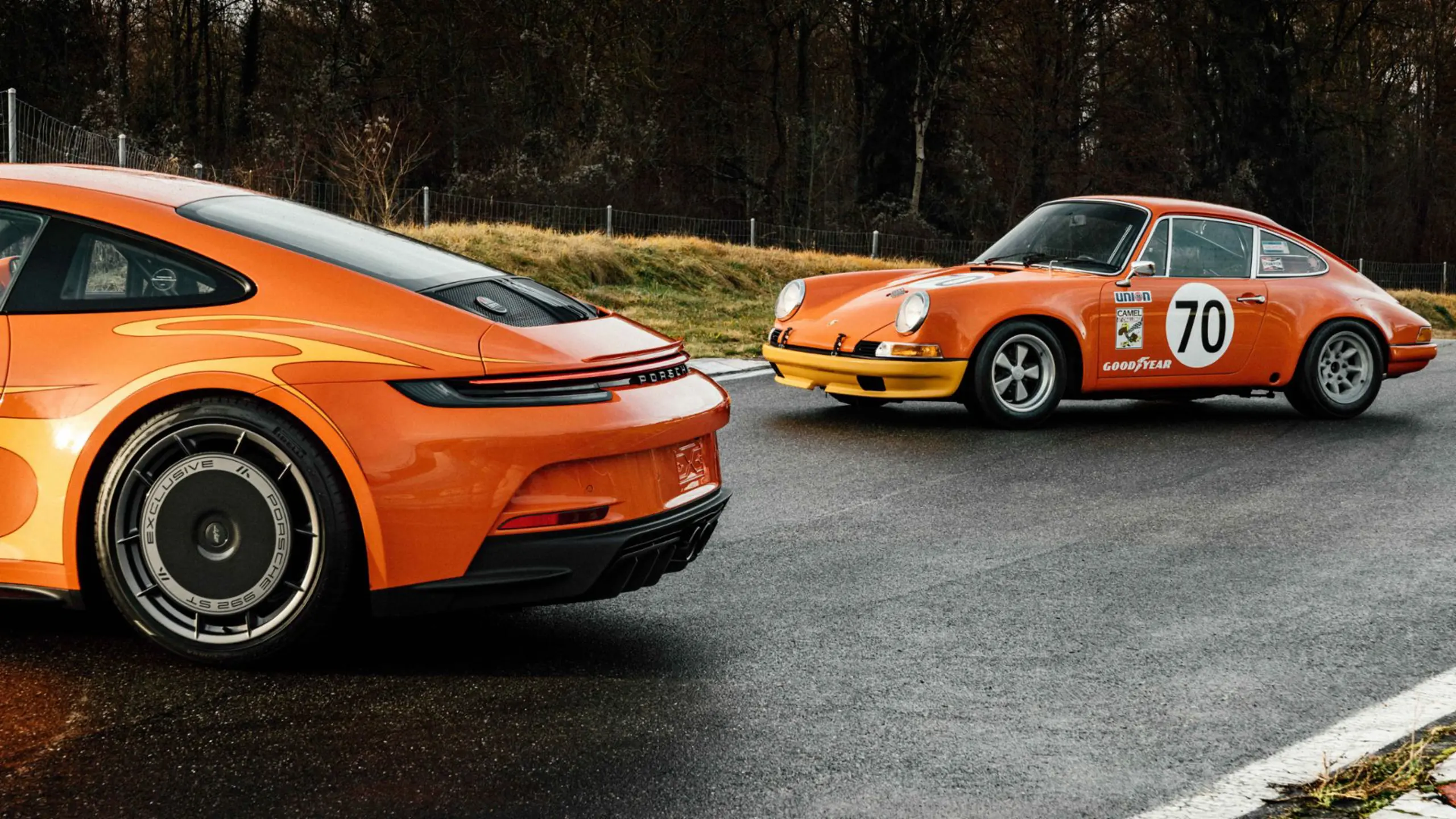
One of the most technically intriguing aspects of the new commission is its deliberate recreation of the original car’s asymmetrical wheel concept. Just as the 1972 race car used visibly different wheel formats front and rear, the modern one-off incorporates Manthey Racing aerodiscs on the rear axle, the same aerodynamic components developed for the Porsche 911 GT3 RS. These are fitted only when stationary, as they are not homologated for road driving on the 911 S/T, and can be removed for normal use. This unusual solution preserves the visual dialogue with the historic race car while maintaining full road legality. Crucially, despite its uniqueness, the vehicle remains entirely functional both for everyday road use and for track driving. Every Sonderwunsch modification was engineered to full Porsche production standards, ensuring no compromise in durability, safety or drivability. The Phoenix Red one-off therefore stands not simply as a design exercise, but as a fully usable interpretation of racing heritage, a car that captures the spirit of an imperfect, hard-used competition machine and transforms it into a contemporary collector’s object through craftsmanship, restraint and historical intelligence.