Five Ways Forward
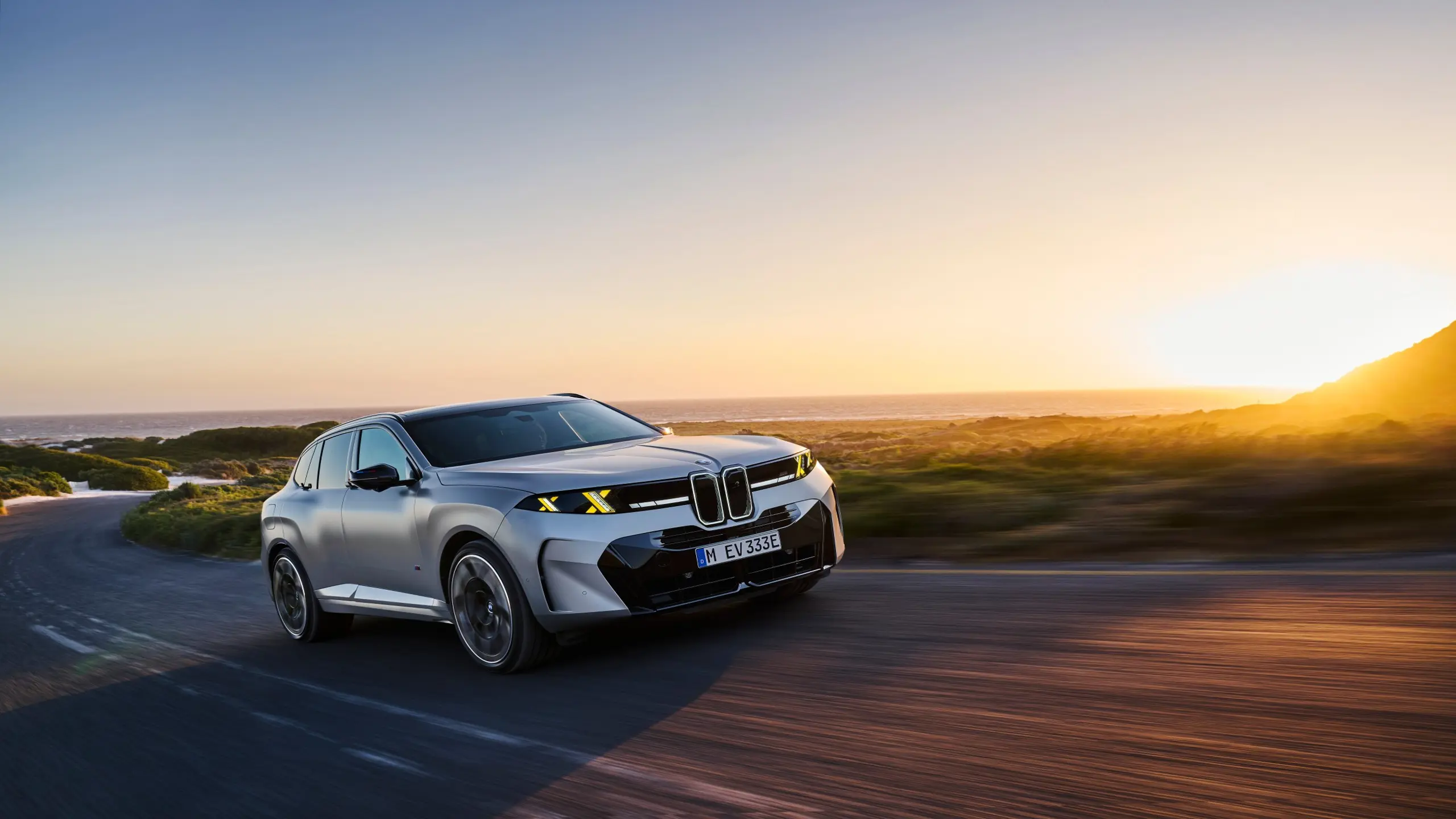
There are models that define a segment, and there are models that continue to redefine it with every successive generation. Since its introduction in 1999, the BMW X5 has belonged firmly to the first category, it didn't enter the Sports Activity Vehicle segment so much as create it. Now, with the arrival of its fifth generation, the X5 reasserts that founding ambition with perhaps its most consequential update yet: it becomes the first BMW to offer five distinct drive system types within a single model line. That breadth of powertrain choice spans petrol and diesel combustion engines with 48V mild hybrid technology, plug-in hybrid variants, the all-new BMW iX5, the first fully battery-electric X5 and, at a later stage, the BMW iX5 Hydrogen, which will become the first hydrogen-powered BMW production vehicle to reach market. The hydrogen variant pairs a third-generation fuel cell system with BMW's new Hydrogen Flat Storage technology and an onboard high-voltage battery, delivering a range of up to 750 kilometres on a single fill. For those opting for the battery-electric iX5 60 xDrive, the sixth generation of BMW's eDrive technology, built around new 120mm cylindrical cells and 800V architecture, enables a range of up to 845 kilometres, alongside fast charging and bidirectional charging capability. In a single generation, the X5 has transformed from a segment leader into a platform for the full spectrum of what propulsion can mean in 2026.
Presence as a Design Principle
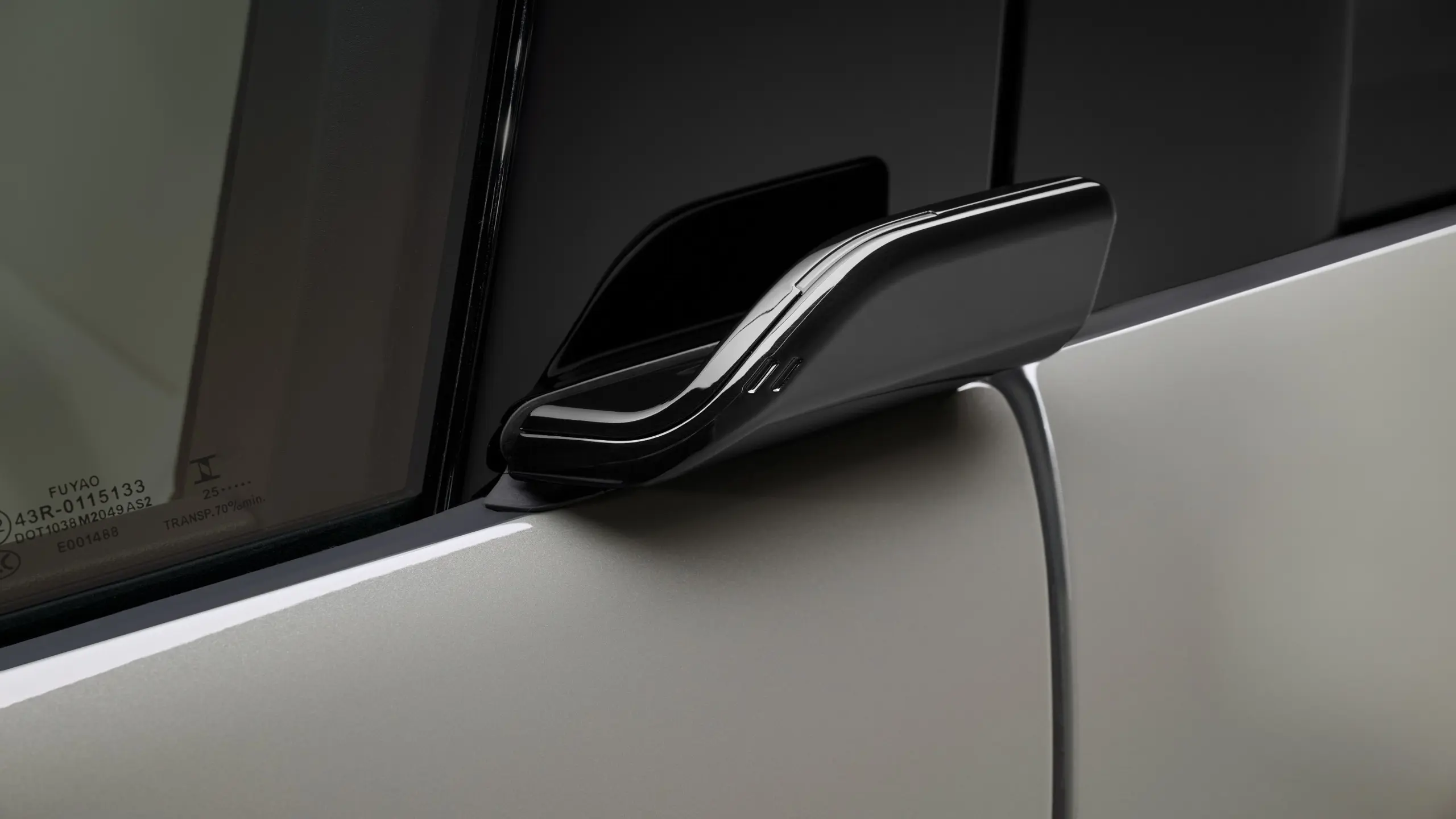
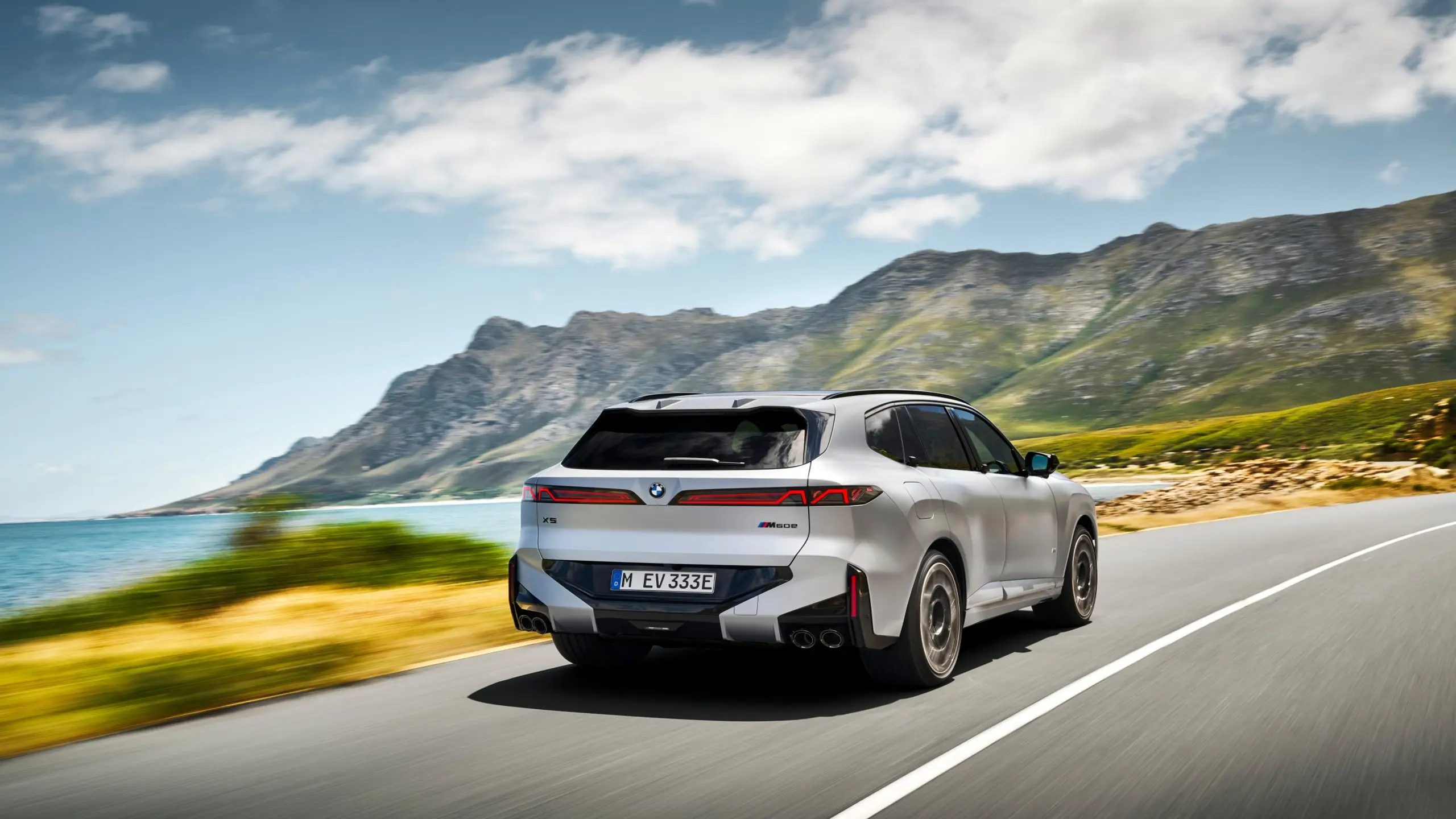
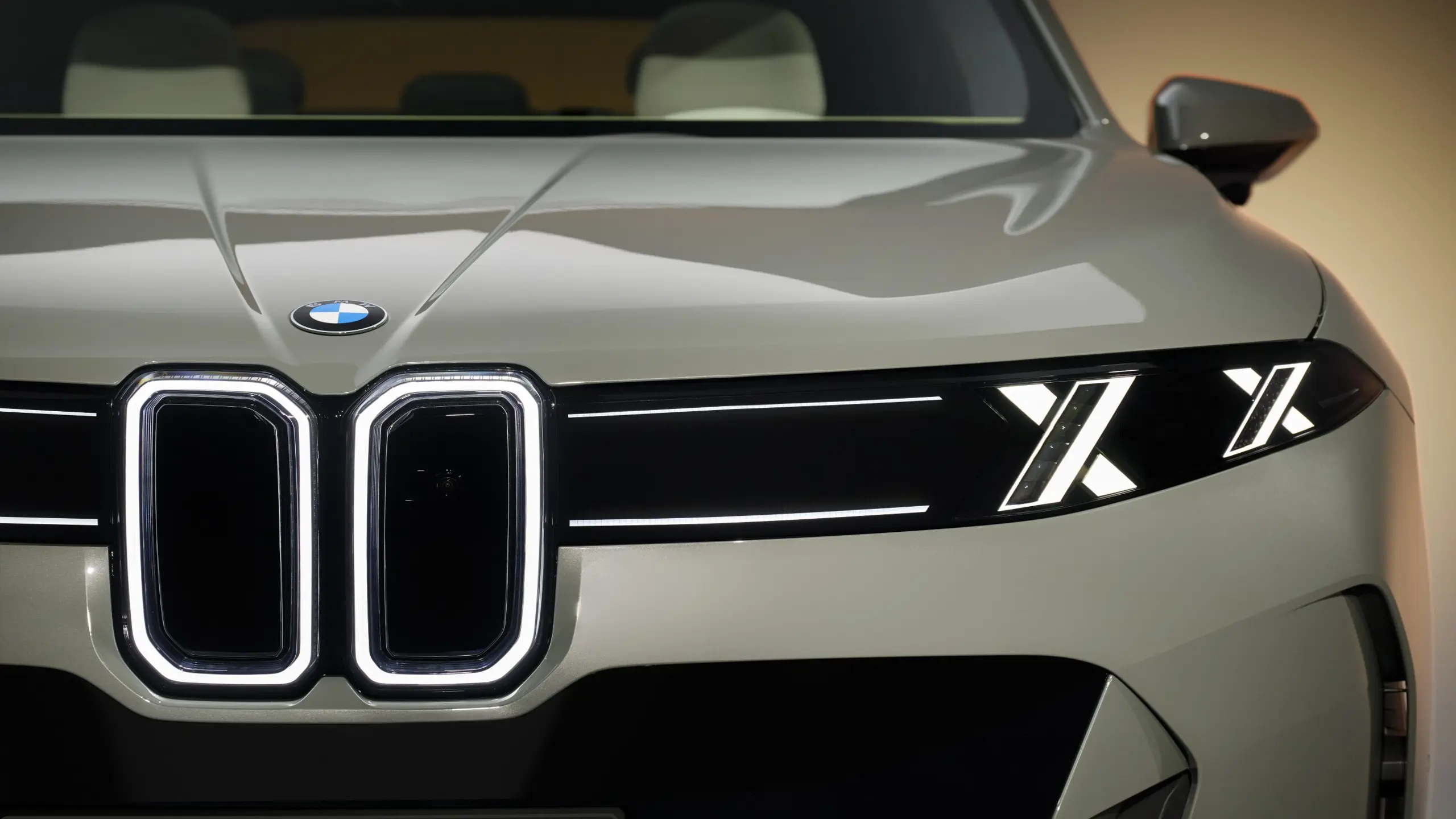
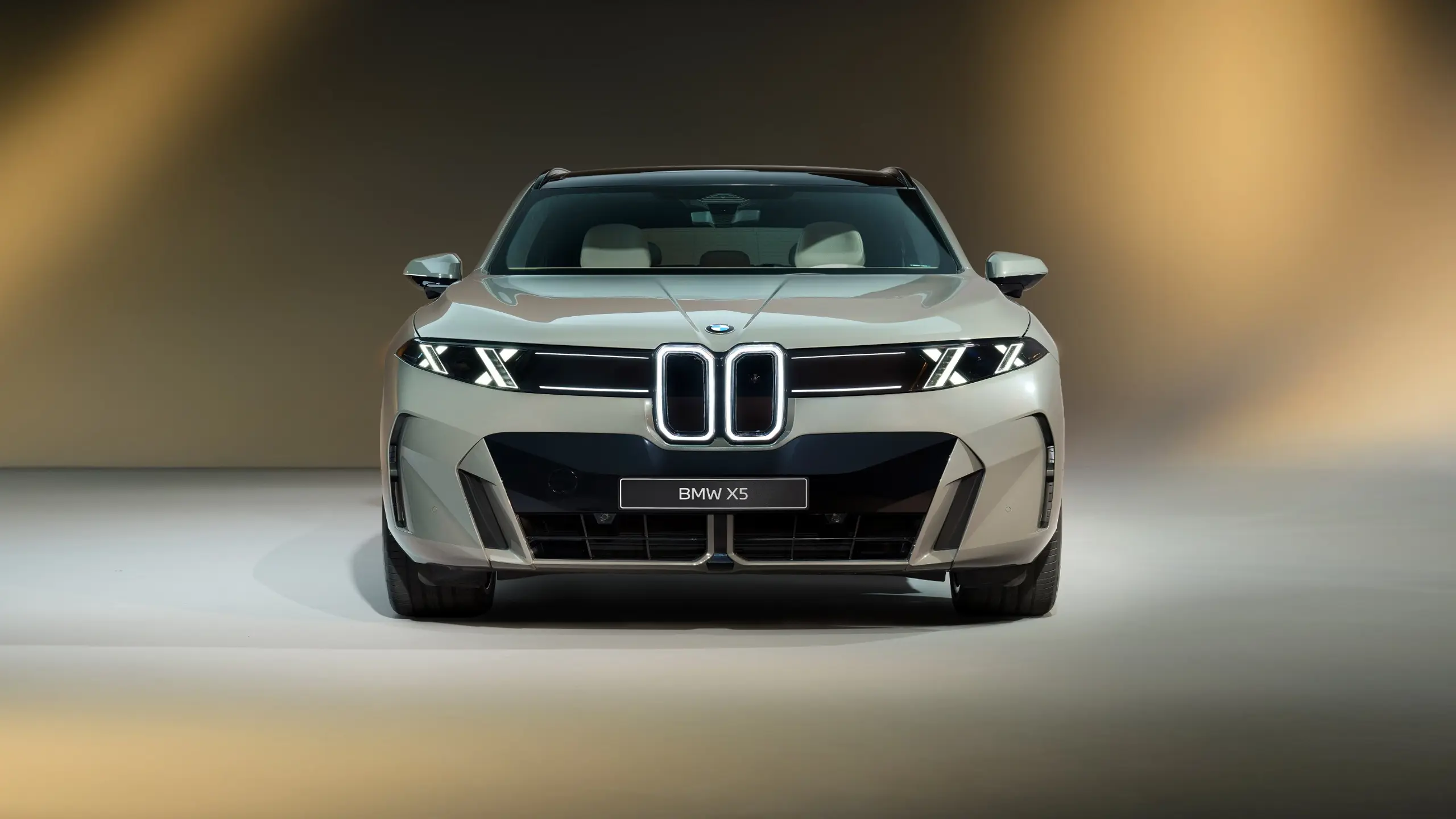
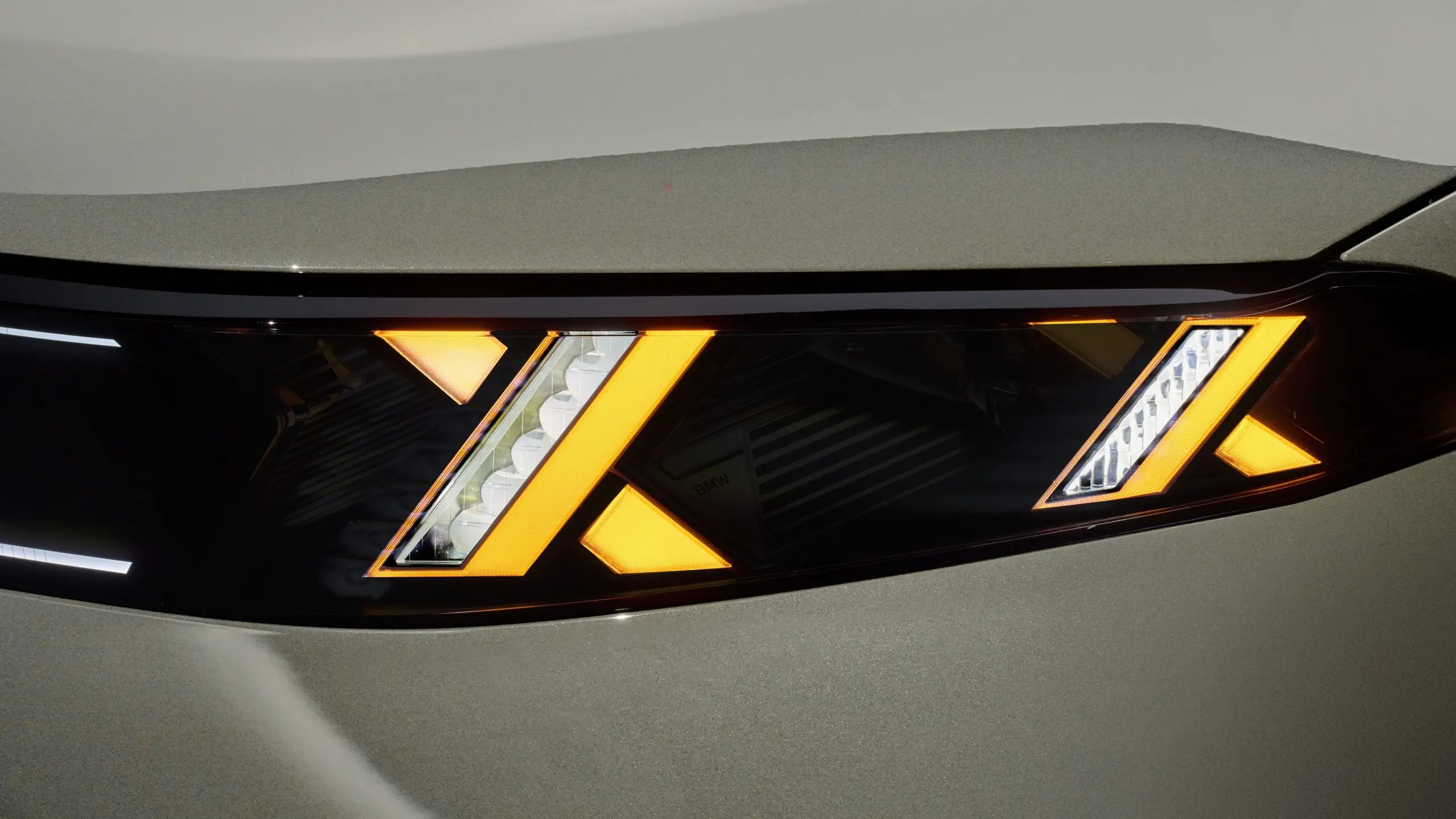
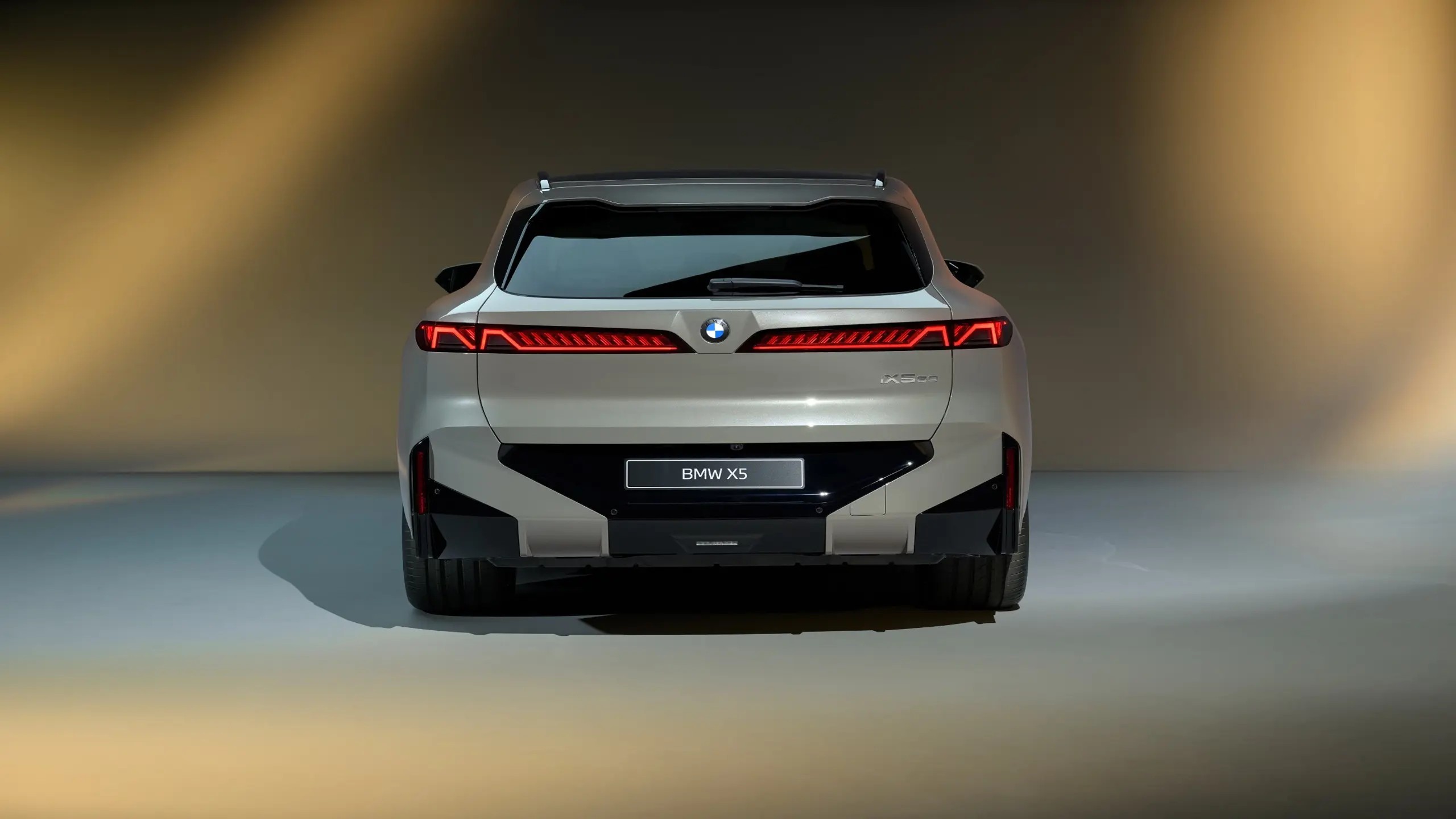
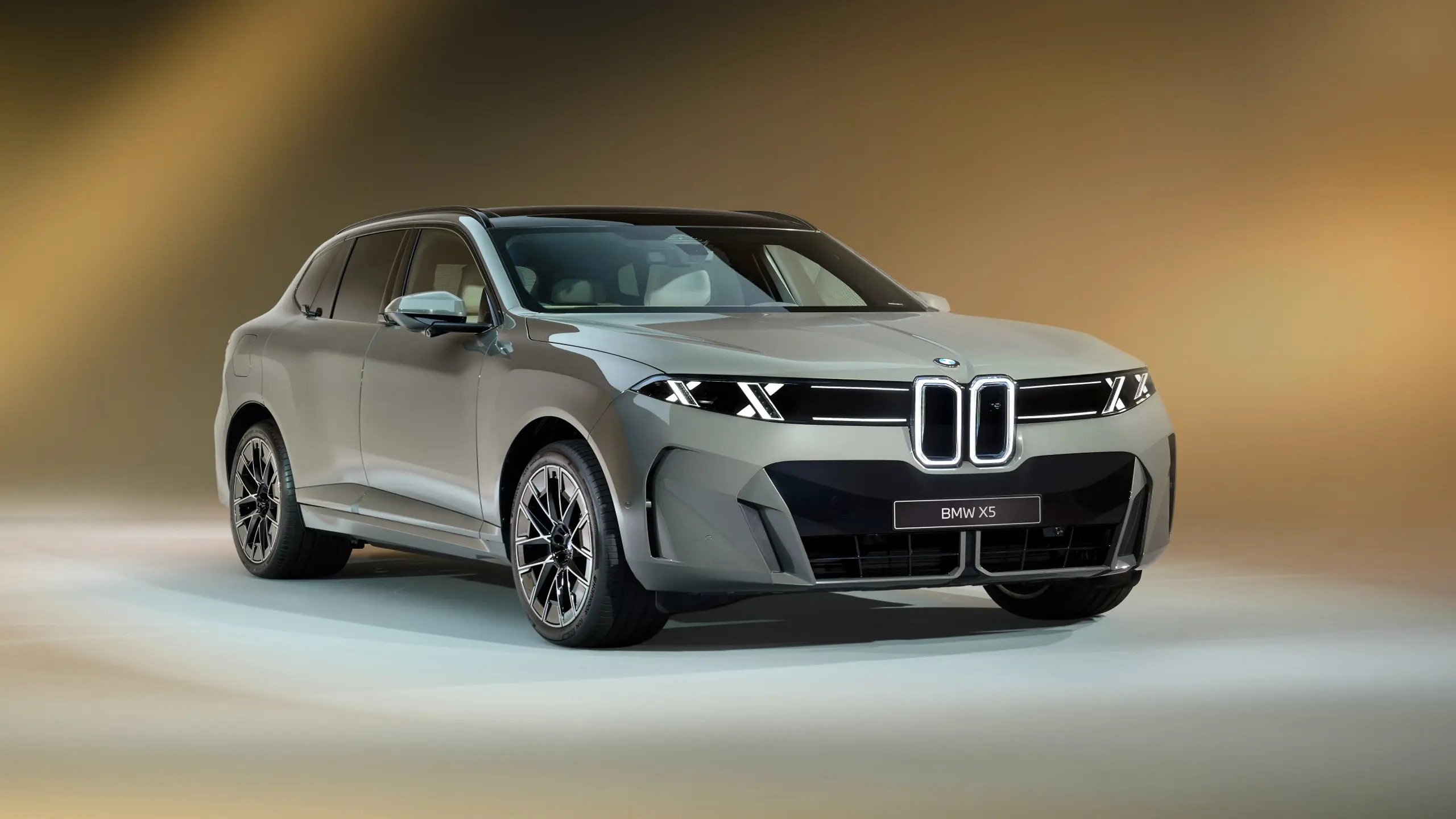
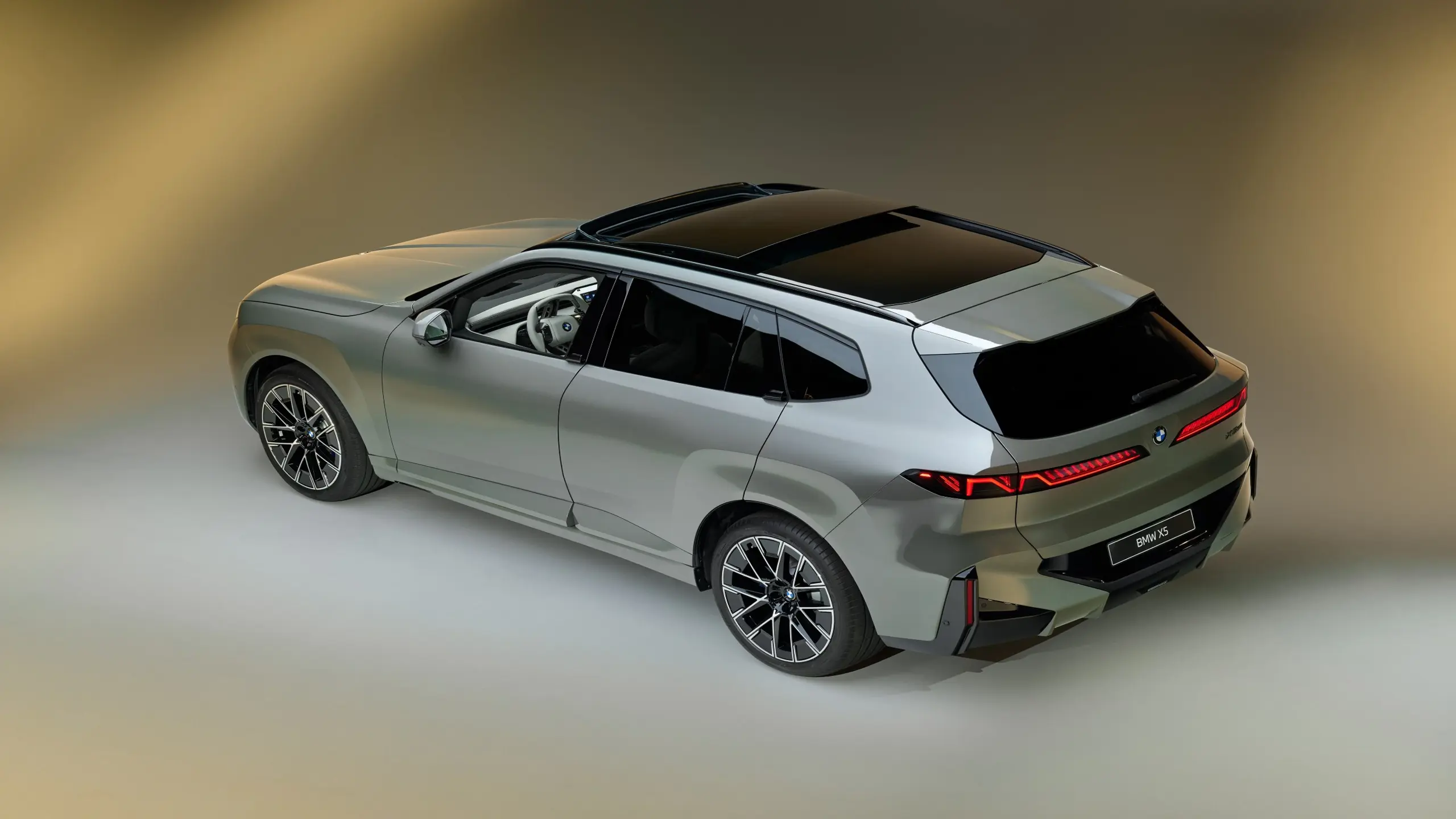
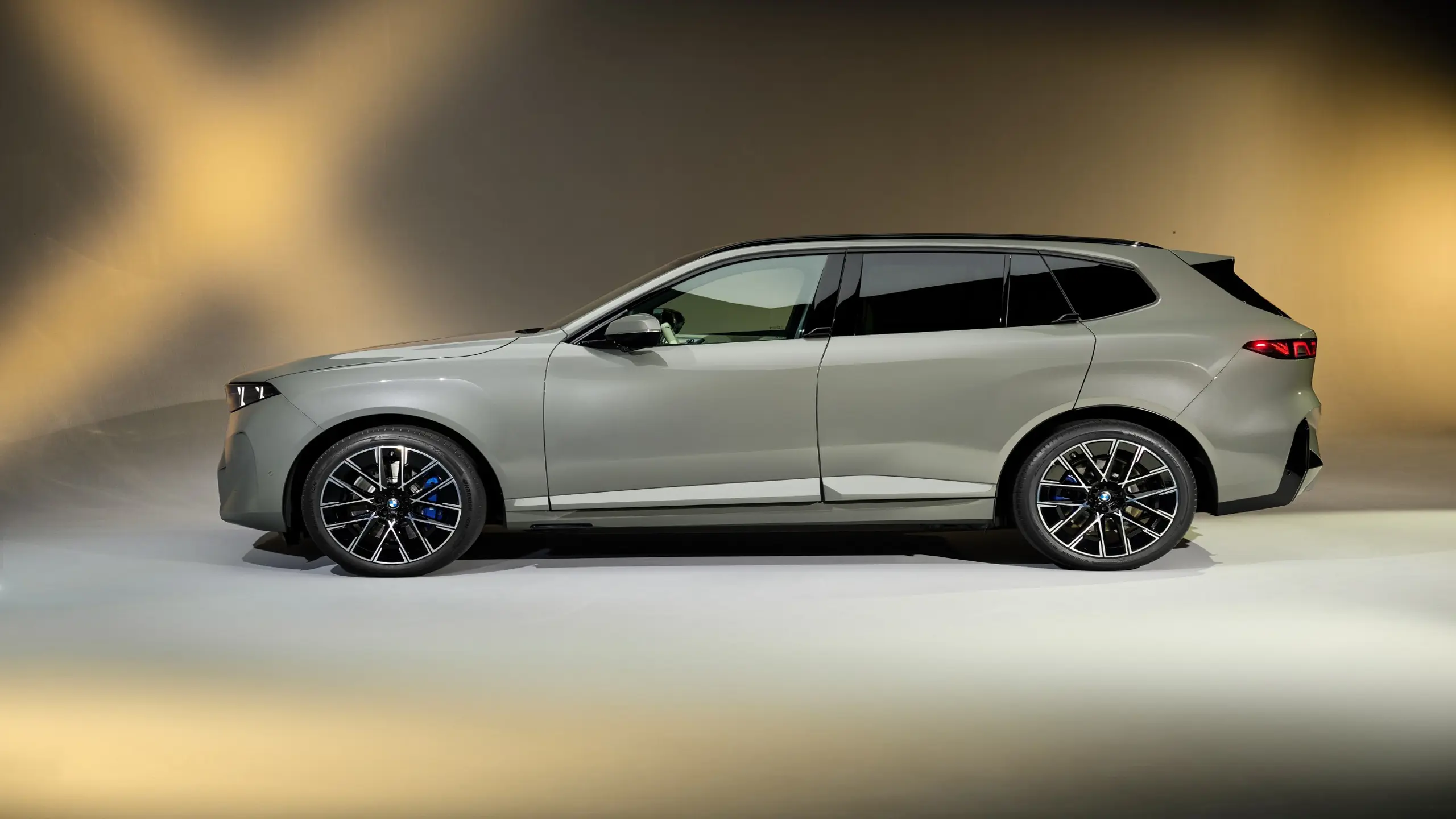
The fifth-generation X5 does not arrive quietly. Its exterior is defined by a monolithic, upright front end that gives the car an immediate, unhurried confidence, the visual language of something that has nothing left to prove and knows it. The vertically aligned BMW kidney grille now features Iconic Glow illumination, while new double-X light icons make their first appearance on any BMW, framing the front face with a precision that reads as purposeful rather than decorative. Along the flanks, the BMW Winglets, flush, recessed door handles that release the electrically powered doors at the lightest touch, replace the conventional handle with something that feels closer to an architectural detail than an automotive component. Customisation extends to eleven exterior paint colours and a wheel range that now reaches 23-inch rims, while the X5 M60e xDrive adds a visual intensity appropriate to its role as the sporting flagship of the range. The M Sport and M Sport Pro packages deepen that character further, supported by an extensive M Performance Parts catalogue spanning carbon fibre front splitters, aramid rear diffusers and mirror caps, and complete 21- and 23-inch wheel sets in both summer and winter specifications.
An Interior Built Around Calm and Capability
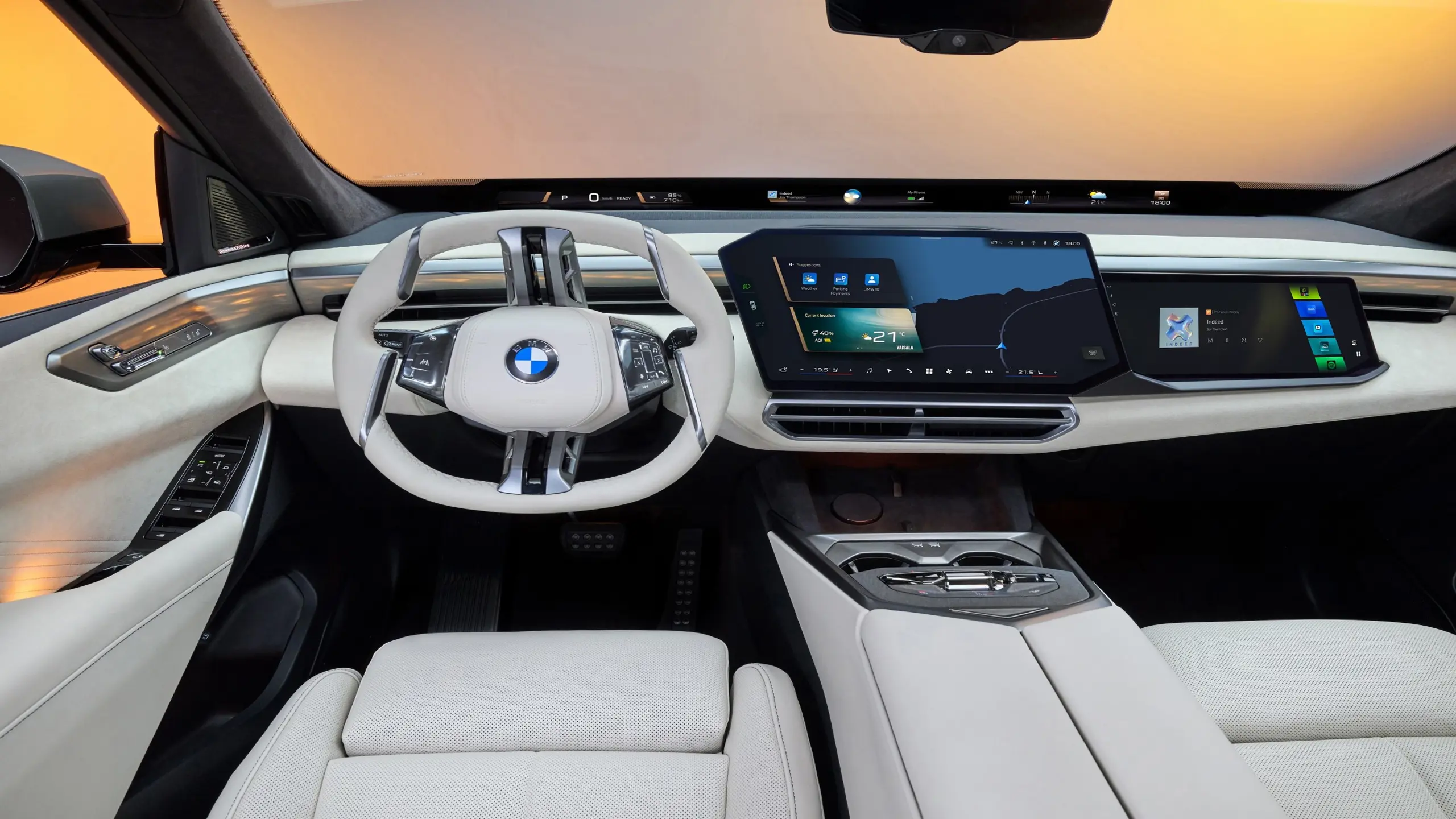
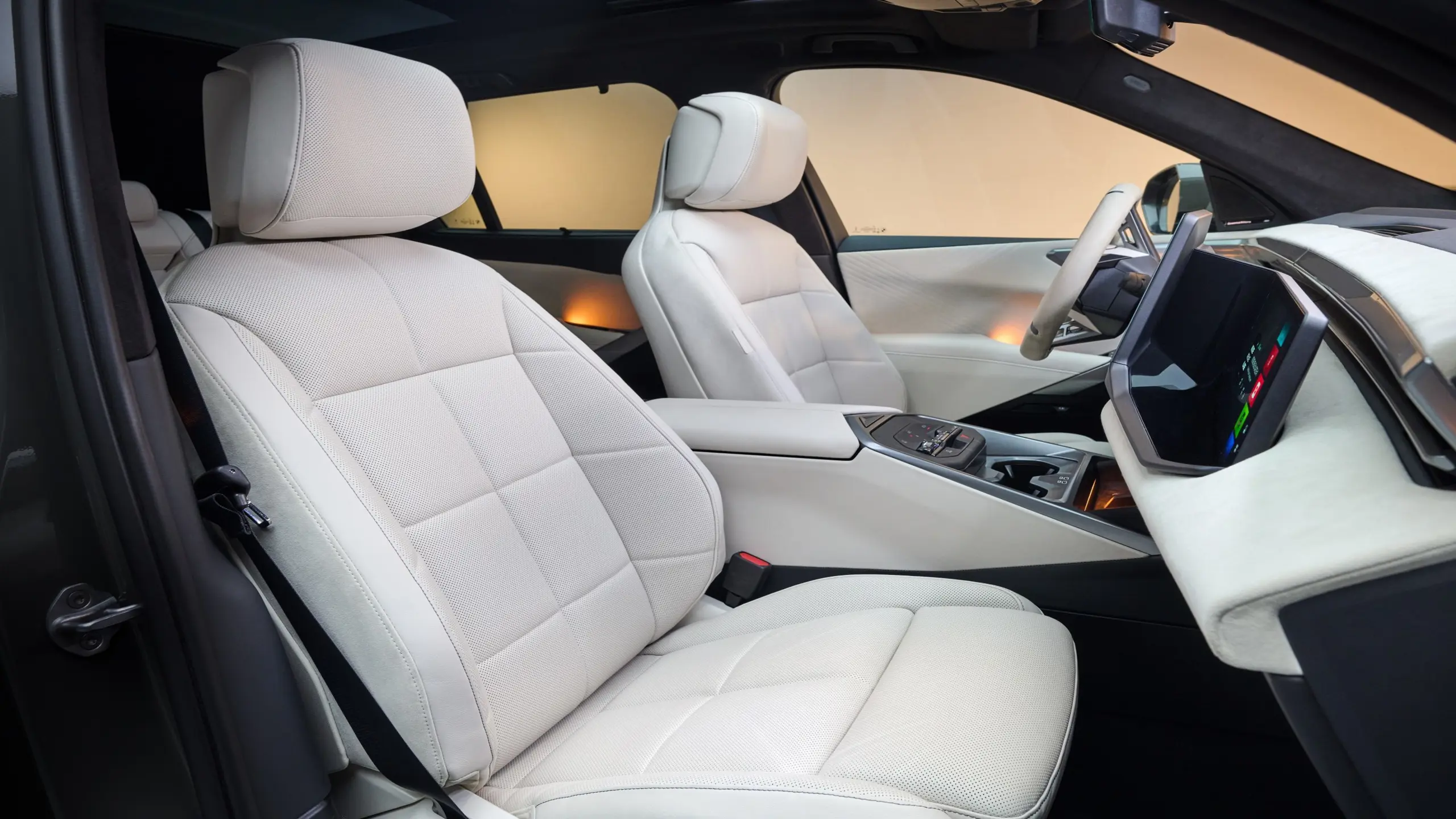
Step inside the new X5 and the design philosophy shifts register entirely. Where the exterior commands attention, the interior invites it, clear structures, uncluttered surfaces and a spatial generosity that creates what BMW describes as a feel-good atmosphere, a term that here carries genuine material weight rather than marketing abstraction. New decorative surfaces crafted from slate and glass establish a tone of elemental sophistication, and BMW becomes the first carmaker worldwide to offer slate as an optional cabin surface, a material choice that rewards close attention in the way only something genuinely unexpected can. The digital architecture woven through the cabin draws directly from BMW's Neue Klasse programme. The BMW Panoramic iDrive display, running on BMW Operating System X, integrates a free-cut Central Display, a BMW 3D Head-Up Display, and for the first time in the X5, a BMW Passenger Screen, alongside BMW Panoramic Vision, which projects across the full width of the windscreen. Ambient lighting runs door to door in a continuous strip, shifting the atmosphere of the cabin as conditions change. Technology is present everywhere, but never insistently so, the orientation remains, as it always has in the X5, with the driver.
The Benchmark Holds, Then Moves
On the road, the fifth-generation X5 maintains the dynamic standard that has long made it the reference point in its class. Adaptive suspension is fitted as standard across the range, with axle load distribution approaching 50:50, while optional Adaptive Chassis Control — and the more advanced Adaptive Chassis Control Professional with active roll stabilisation, initially offered on all-electric and plug-in hybrid variants, allows the car to move fluidly between comfort and precision without asking the driver to choose between them. BMW Symbiotic Drive introduces intelligent support calibrated to individual driving behaviour, while the advanced Level 2 driver assistance systems are designed for seamless interaction rather than intervention. For iX5 models, and the forthcoming iX5 Hydrogen, Heart of Joy brings one further detail worth noting: BMW Soft-Stop, which delivers what the company describes as the smoothest stopping action in BMW's history. It is a small thing, perhaps, measured against 845 kilometres of electric range or a hydrogen powertrain breaking new ground. But it speaks to something consistent across every aspect of this fifth generation, that the X5's ambition has never been simply to be larger, faster or more technically complex than what came before. It has always been to make every detail feel inevitable. On that measure, the new X5 makes a convincing case that the benchmark it set in 1999 remains, after twenty-seven years, entirely its own to define.