A Third Chapter, and a Different Kind of Ambition
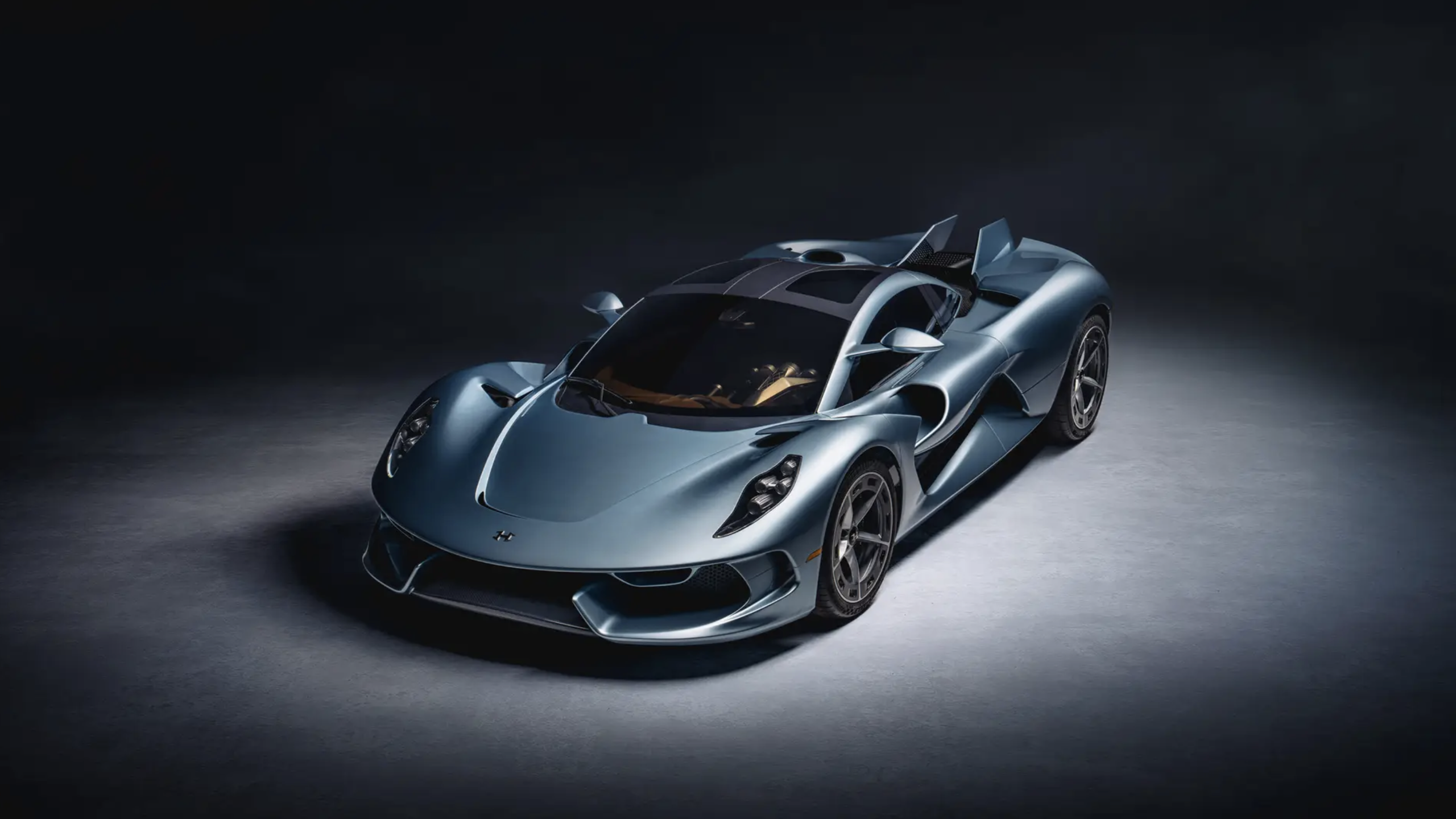
Hennessey's first hypercar set speed records. Its second proved that a fully bespoke, Texas-built machine could compete with anything the world's most ambitious manufacturers had to offer. The third, the all-new Blackbird, does something more unexpected than either: it steps back from the pursuit of the highest number and asks, instead, what the greatest drive actually feels like. Limited to 71 examples worldwide, priced from $2.5 million before taxes and targeted for customer production from 2029 to 2030, more than two-thirds of that allocation has already been spoken for ahead of the car's public debut at The Quail in California on 14 August, a measure, before a single specification has been read, of how precisely Blackbird has identified what a certain kind of driver has been waiting for. The brief was specific and deliberate: a naturally aspirated, six-speed gated manual, rear-wheel-drive touring hypercar with no screens, no hybrid assistance and no digital mediation between driver and machine. Where the Venom F5 explored the outer limits of speed and intensity, Blackbird measures performance differently, by the quality of the connection between the person behind the wheel, the road beneath the tyres, and the engine turning behind the driver's head.
Designed, Like the Aircraft, for Long-Distance Purpose
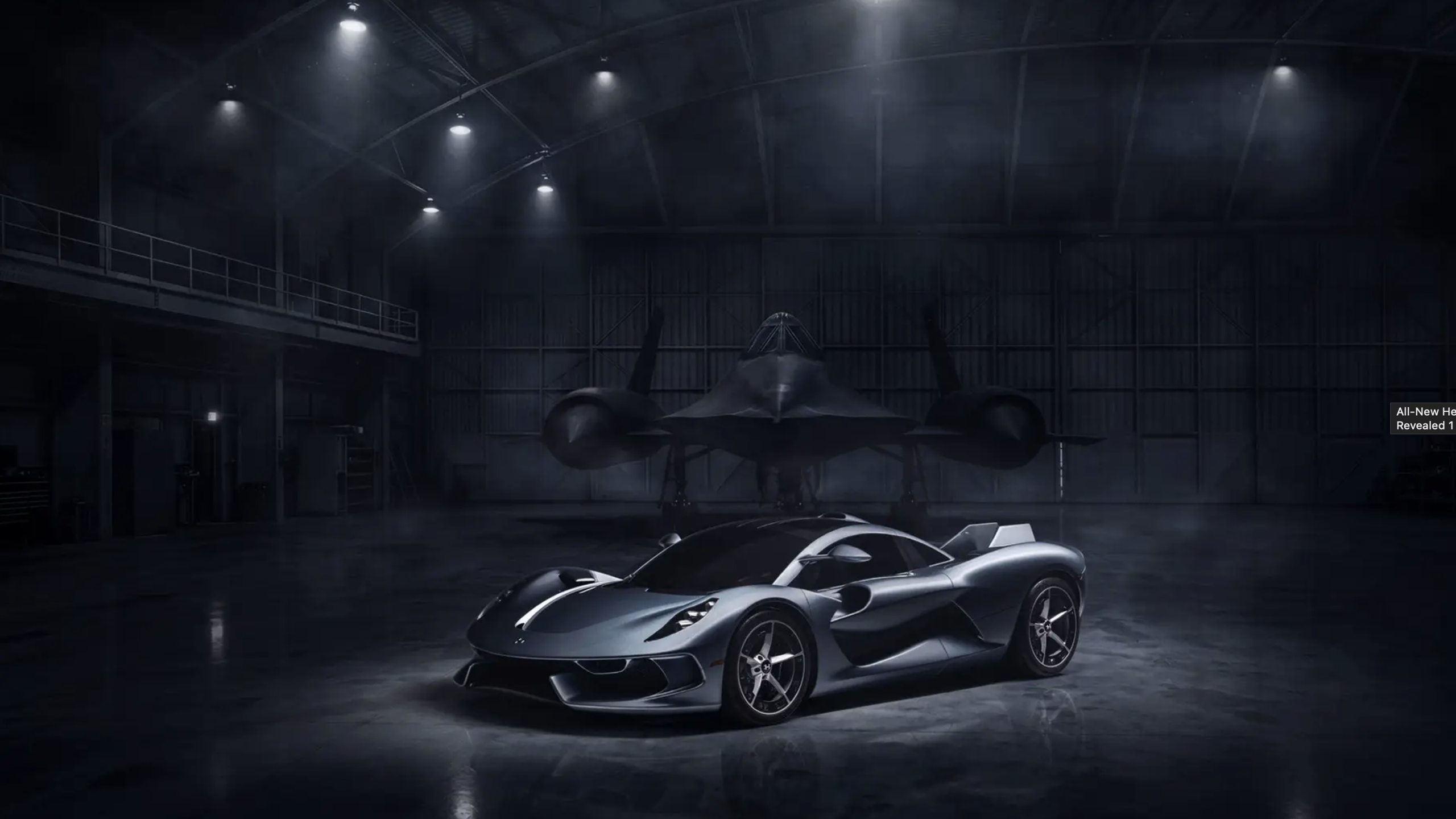
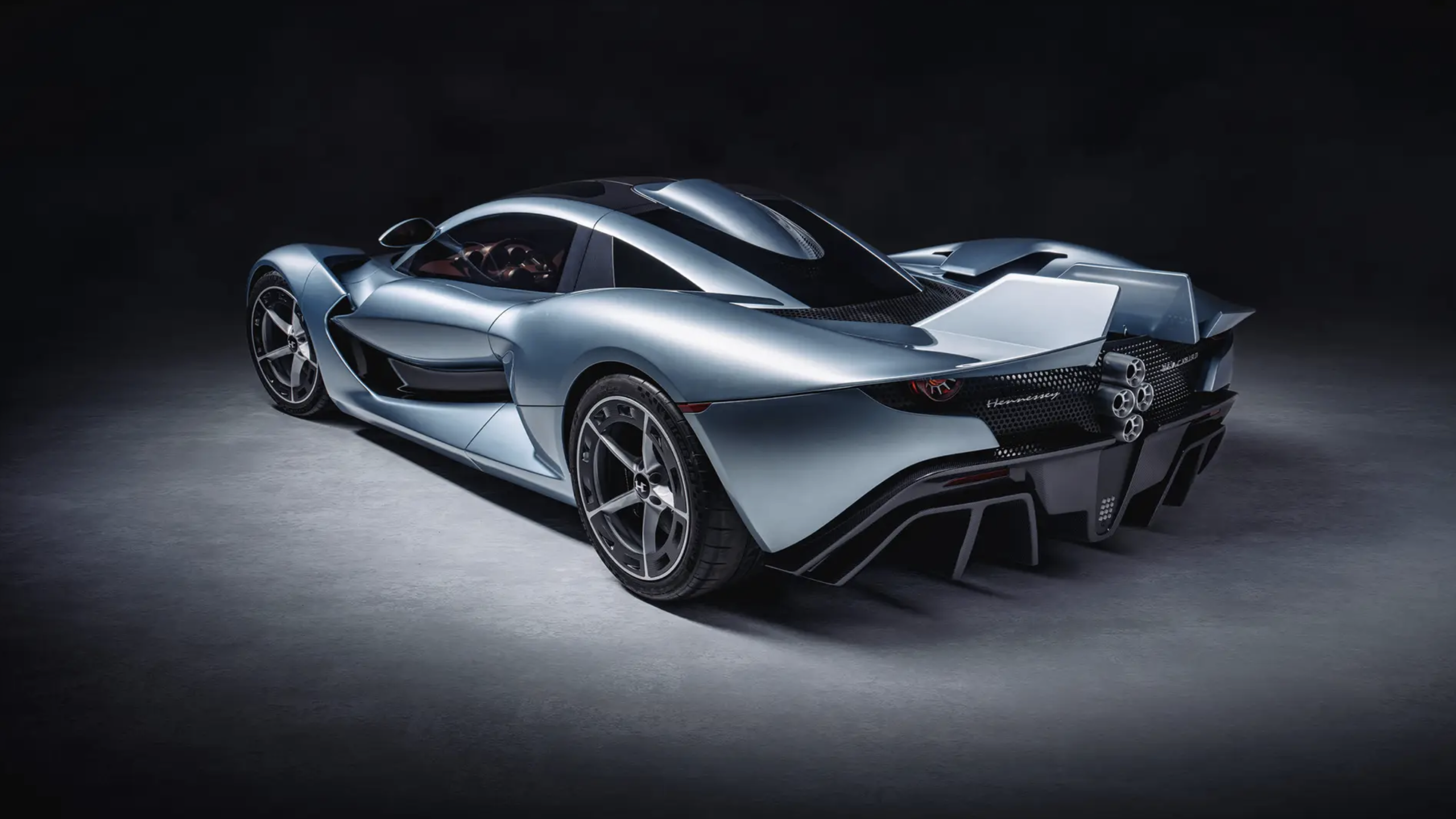
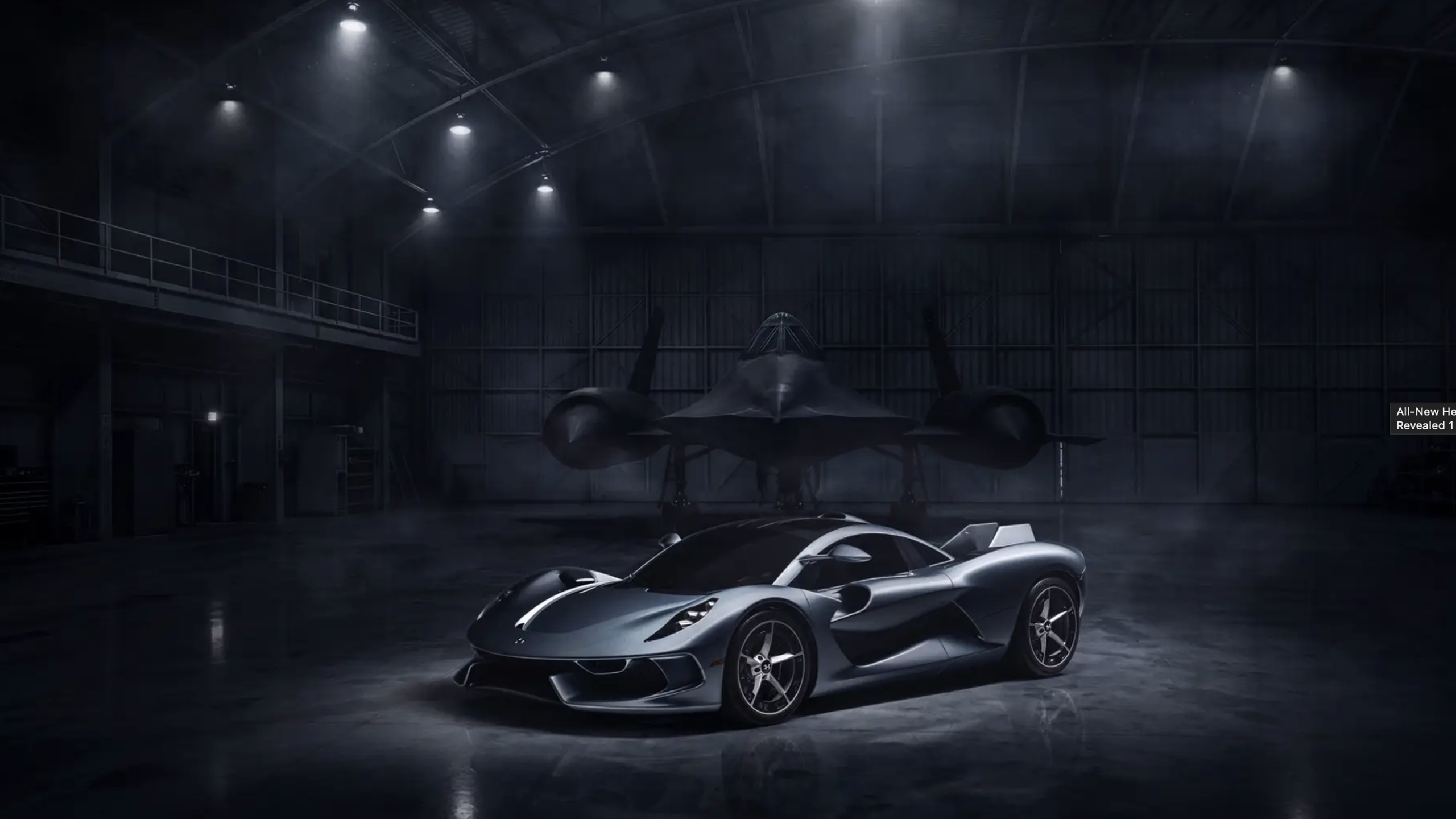
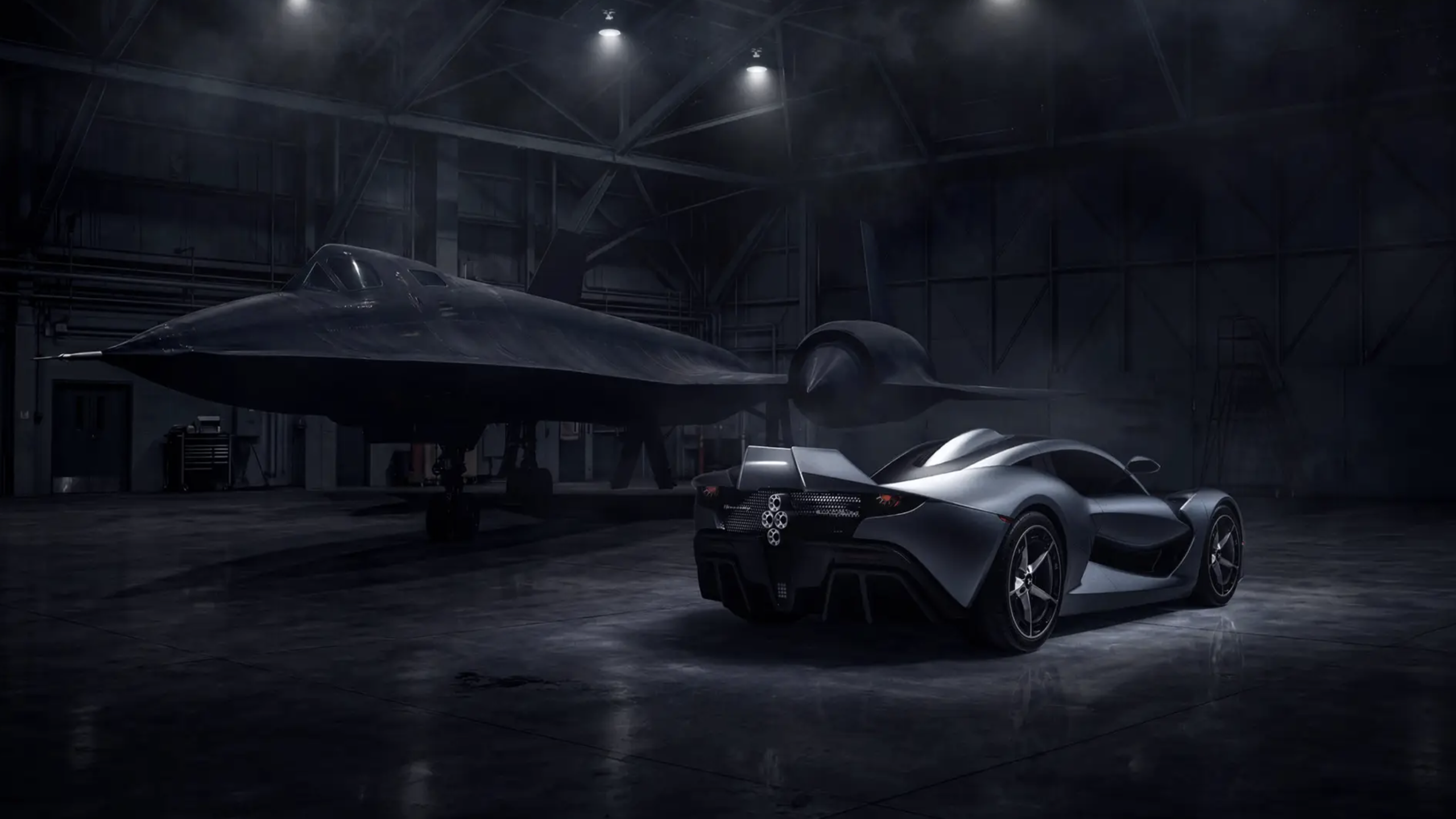
The Lockheed SR-71 Blackbird is not merely the car's namesake but its structural design reference. The aircraft's long stance, disciplined surfacing and directional confidence translate directly into the car's proportions, while the crisp body-side chine line, echoing the SR-71's tightly pinched meeting of upper and lower surfaces, becomes Blackbird's primary hard line, giving tension to the flowing bodywork and creating a precise bridge between aerospace inspiration and automotive sculpture. Active vertical rear stabilizers deploy automatically at 71 mph and sit at plus or minus 71 degrees, a figure chosen in recognition of the aircraft's designation, combining aerodynamic function, design theatre and narrative in a single element that is unlike anything else in the hypercar segment. Further aerospace and motorsport references accumulate with equal purpose: diamond-shaped quad exhausts inspired directly by the Bell X-1 aircraft, which in 1947 became the first to exceed the speed of sound; Formula One-style side pods; LMP1-inspired winglets; a dash-mounted whiskey compass standard across all cars; and an optional Sky Glass roof whose asymmetrical tapering shape echoes the SR-71's canopy. Each reference traces back to a specific historical source rather than a general aesthetic vocabulary of speed, giving the Blackbird a narrative depth that most hypercars, however accomplished, cannot claim.
800 Horsepower, 9,000 rpm and the Sound of No Assistance
At the heart of the Blackbird is an all-new naturally aspirated 6.2-litre V8 developed in collaboration with Ilmor Engineering, targeting 800 to 850 hp and a redline exceeding 9,000 rpm, figures that Hennessey believes will make it both the highest-revving and most powerful naturally aspirated road-car V8 in production. Performance targets stand at 0 to 60 mph in 2.5 seconds and a top speed of 220 mph, delivered through rear wheels only, through a six-speed gated manual, and without the intervention of turbochargers, hybrid assistance or any artificial response layer between throttle input and rear-axle output. The chassis is built around an all-new bespoke full-carbon tub with carbon-fibre bodywork, targeting a kerb weight below 3,000 lbs, a figure that, combined with the projected power output, produces a power-to-weight relationship that needs no augmentation from electrical assistance to make its point. Adaptive suspension, ABS, traction control and Michelin Pilot Sport Cup 2 tyres provide the technical infrastructure, while the engine itself is visible through a rear glass cover, its appearance considered as deliberately as its sound signature, because on a car with no screens, what the driver can see and hear carries the entire emotional weight of the experience.
A Cockpit Built Around the Act of Driving
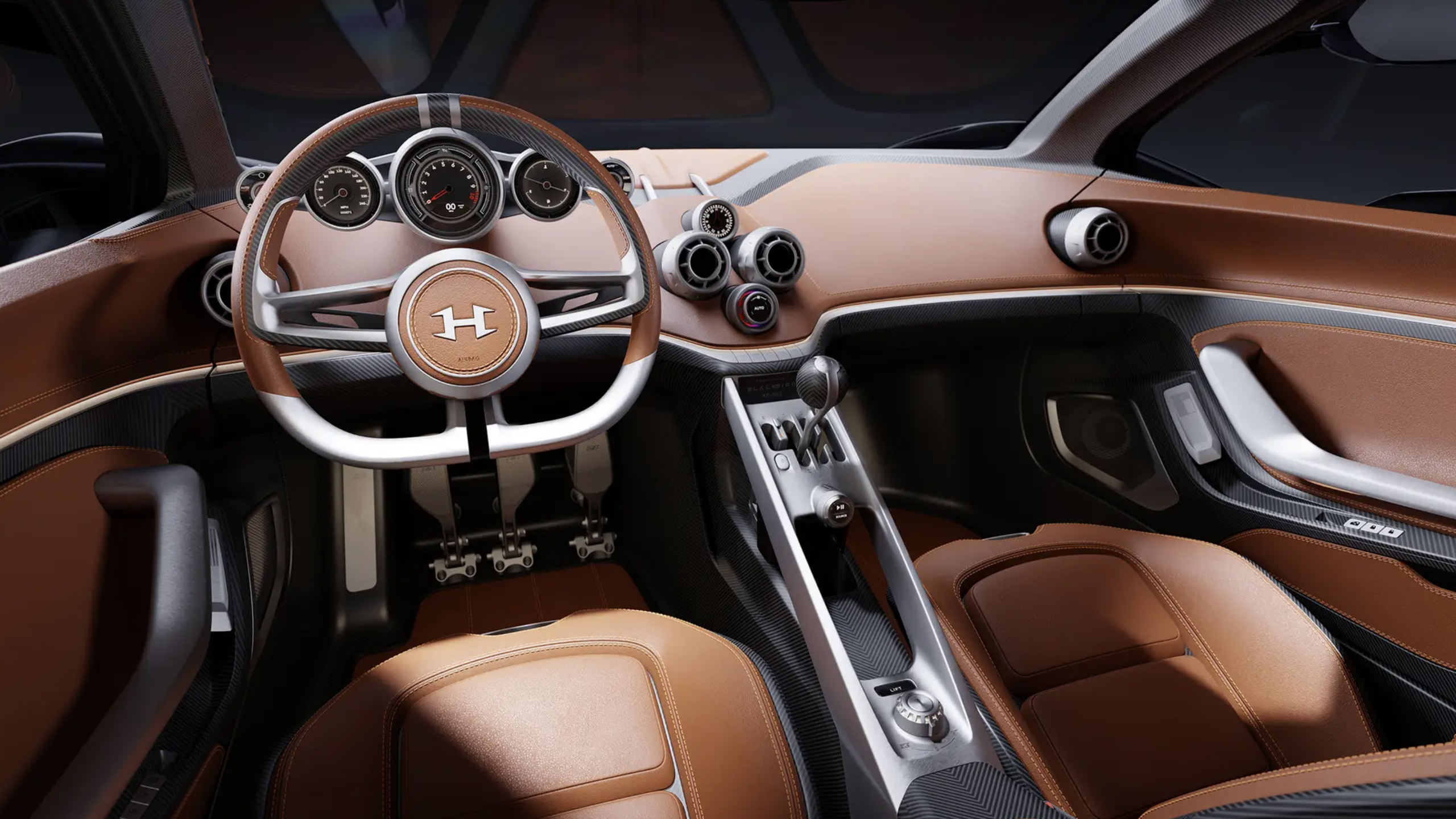
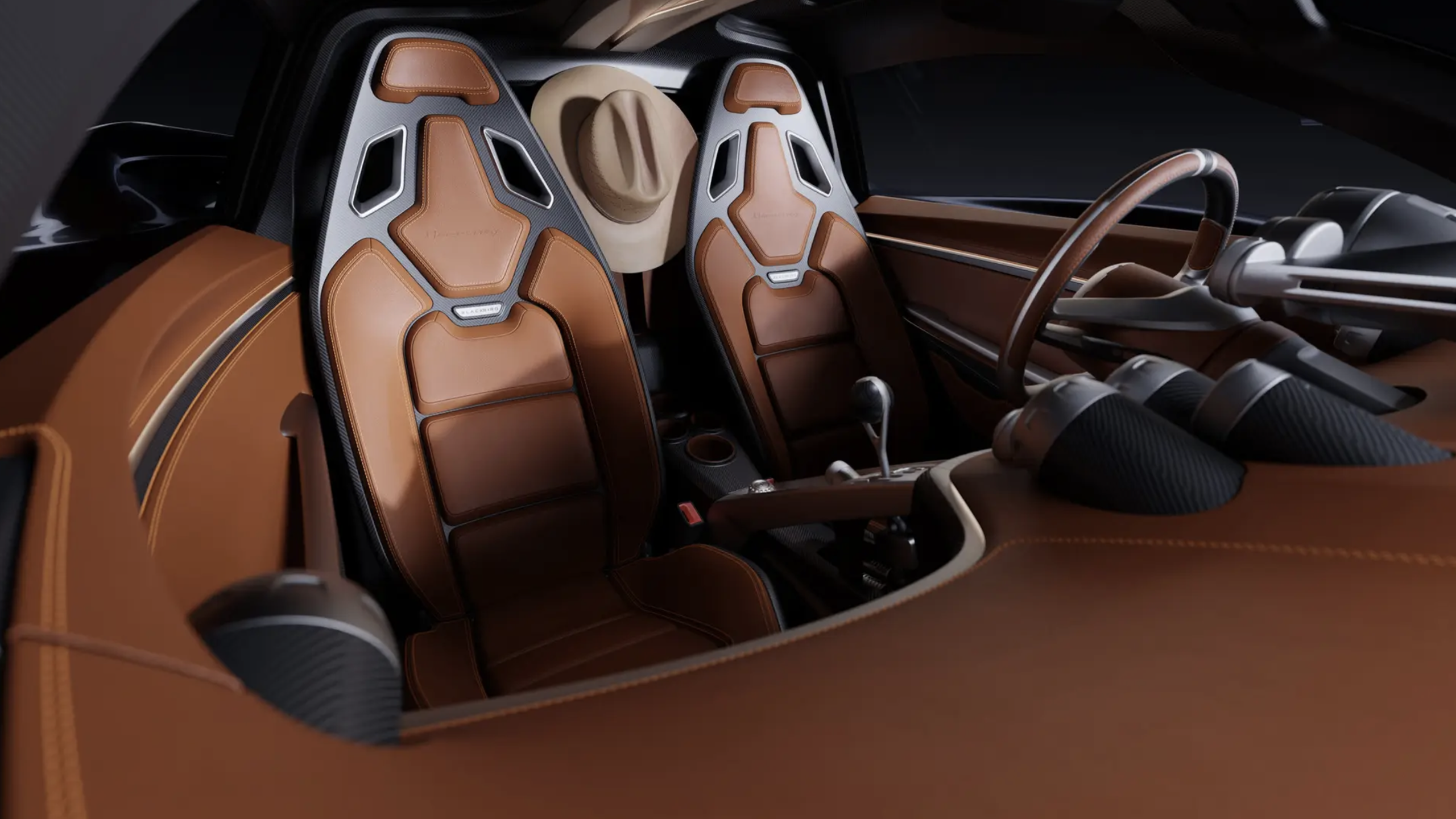
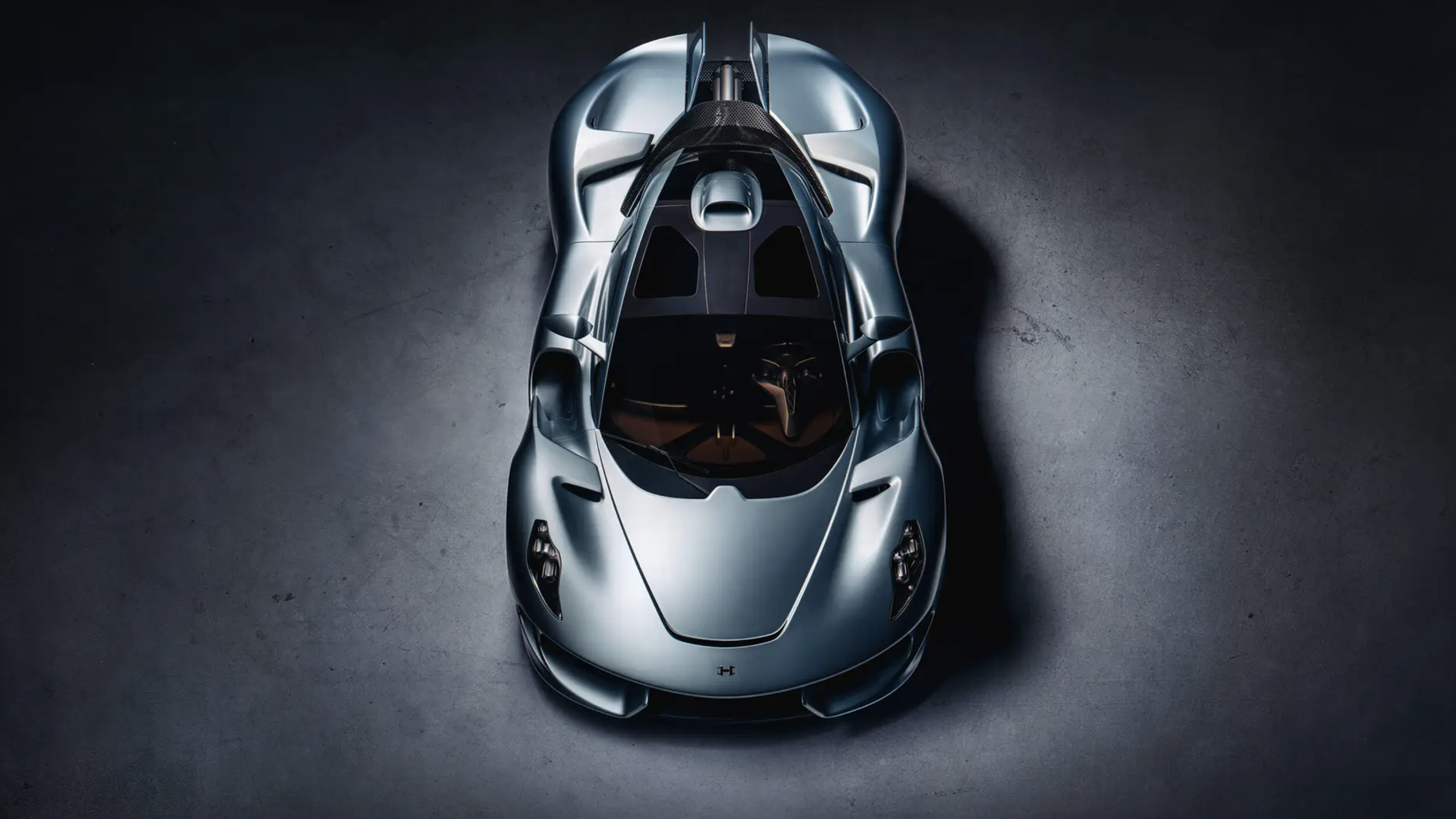
Inside, the Blackbird pursues an analog-first philosophy with a completeness that most manufacturers would consider commercially risky and that its intended owners will consider precisely the point. There are no infotainment screens, no digital displays and no steering-wheel buttons. A large central analogue tachometer dominates the cabin as its visual and emotional focus, the right instrument, in a high-revving naturally aspirated manual hypercar, to receive that priority. The six-speed gated manual transmission sits at the centre of the cockpit with its shift linkage exposed, its gate physical, its action deliberate. A conventional ignition key starts the engine. Connectivity is not absent but hidden: navigation, Apple CarPlay and Android Auto run through the driver's own device, held in a bespoke Hennessey holster, preserving functionality without requiring a screen to deliver it. The touring brief is met in full: adaptive suspension, low NVH targets, gullwing doors, four cup holders, storage for two full-size carry-on bags in the front trunk, rear-quarter luggage pods, and more cabin space than the Venom F5, enough to cover more than 800 miles in a single day without the car ever suggesting that it would rather be somewhere else. In a hypercar world that has drifted steadily toward greater weight, greater complexity and greater digital mediation, the Blackbird makes a case that is as simple as it is persuasive: that the memory of a great drive is made of sound, feel, smell and effort, not of what appeared on a screen while it was happening.