A New Chapter in McLaren’s Road-Car Story
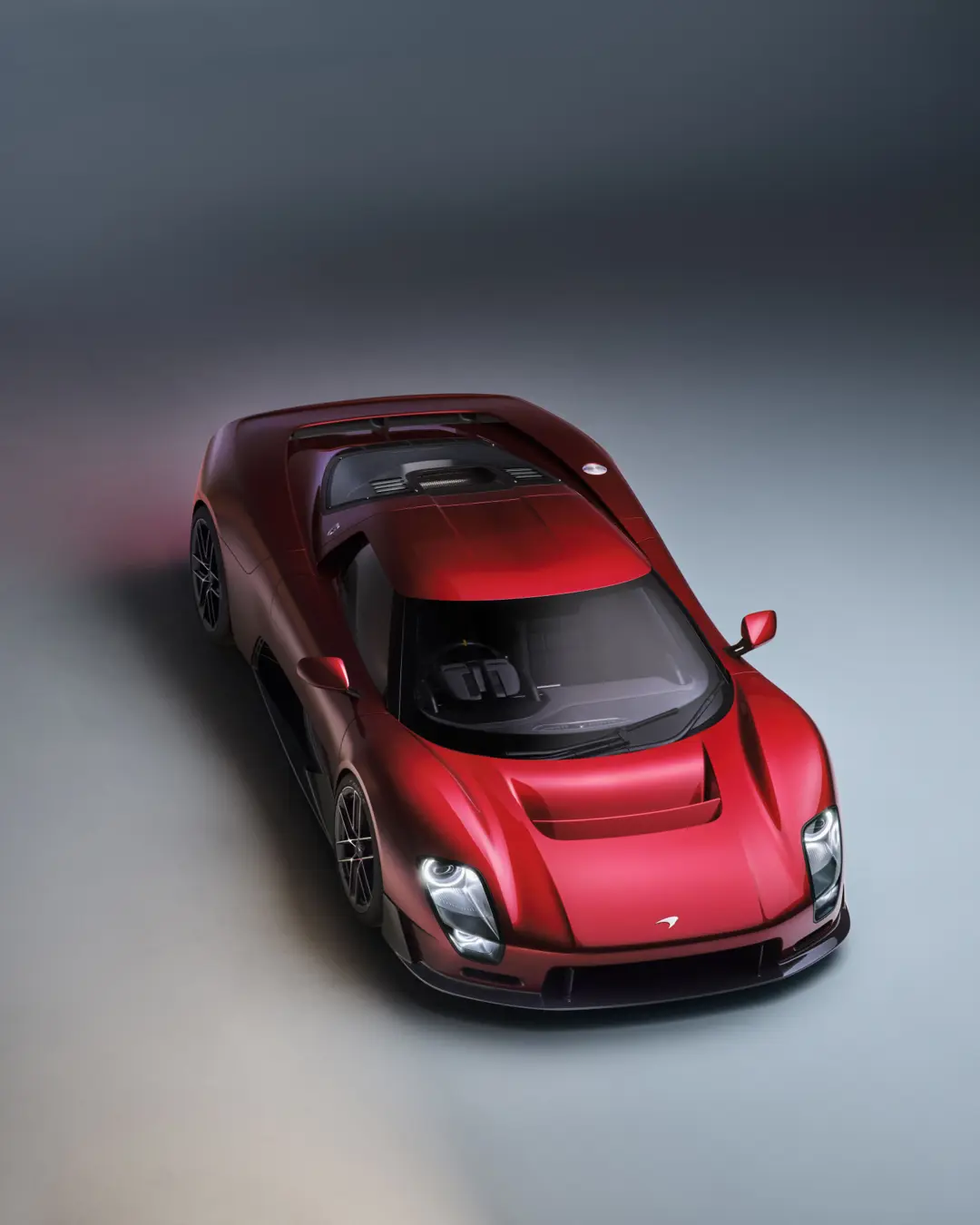
Revealed at the 2026 Monterey Car Week, the McLaren McL 6GT is a contemporary interpretation of one of the most important chapters in the brand’s history. Its inspiration is the McLaren M6GT – Bruce McLaren’s original, but ultimately unrealised, vision for a McLaren road car. More than six decades later, the new concept revisits that dream through modern engineering, lightweight construction and an uncompromising focus on the driver. The McL 6GT also points towards the future of McLaren. A production version is planned for 2028, creating a new, highly exclusive type of supercar positioned beyond the brand’s core portfolio. Rather than simply recreating the past, McLaren uses its heritage as a starting point for something contemporary, combining V8 internal-combustion power, a full carbon-fibre monocoque and bodywork, and – in a first for McLaren since the legendary F1 in 1992 – an authentic manual transmission driving the rear wheels.

A Design Shaped by Heritage
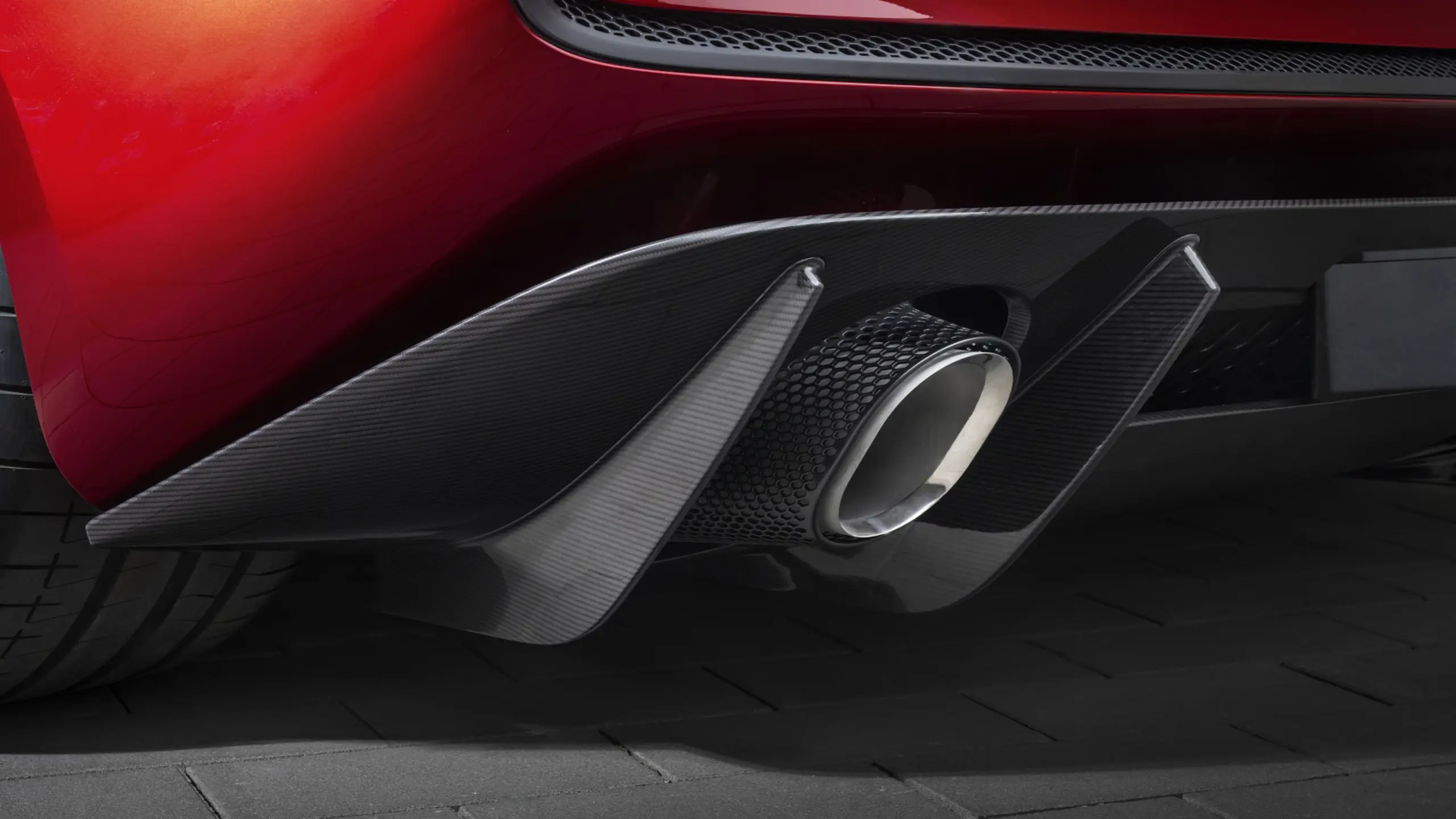
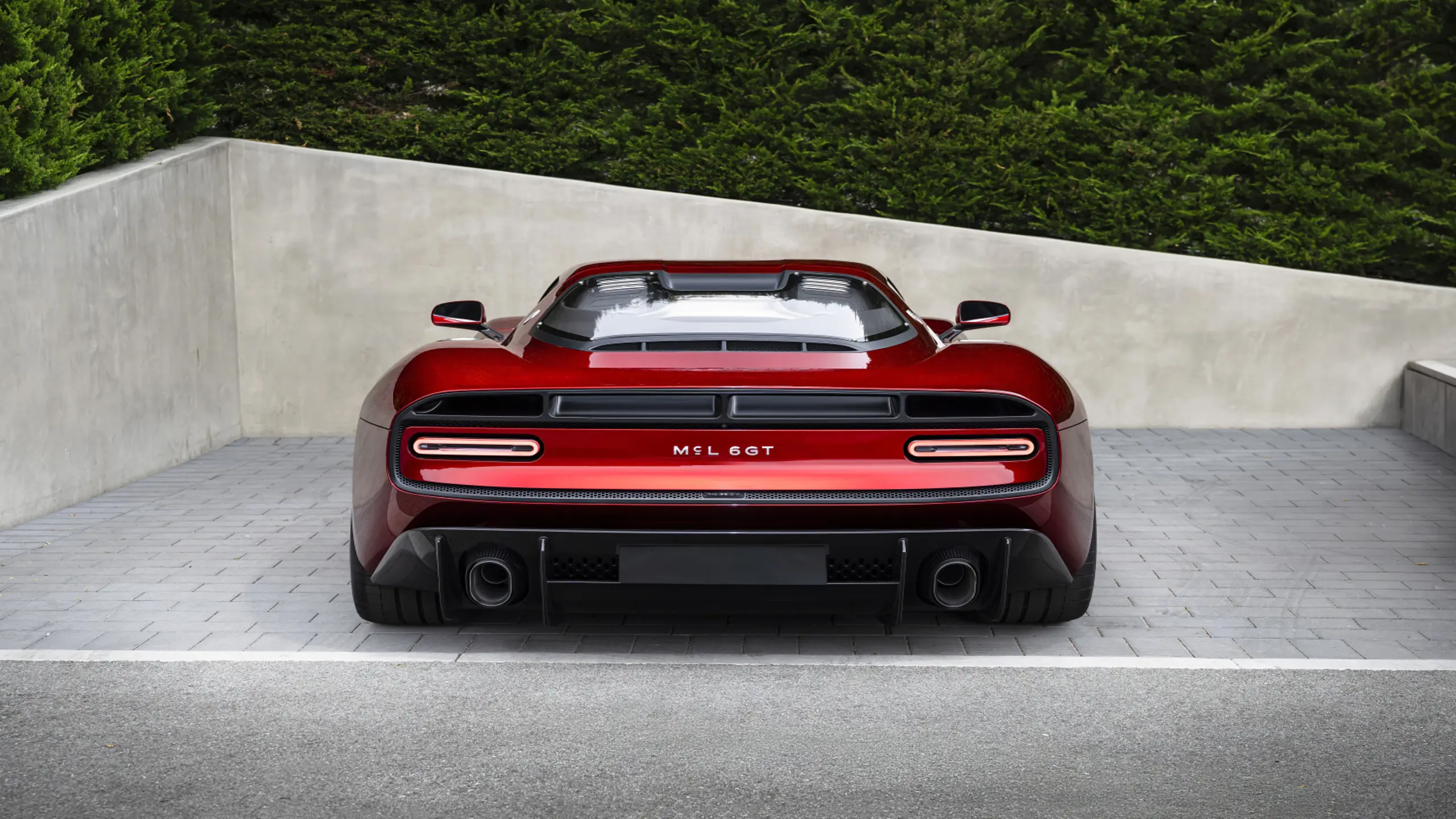
The McL 6GT translates the racing-inspired forms of McLaren’s 1960s sports prototypes into a modern interpretation. Its proportions are immediately distinctive: the car sits exceptionally low and wide, with a low nose and a strong visual connection to the M6A Can-Am racer that formed the basis of the original M6GT. Its bodywork is defined by clean, uninterrupted surfaces that flow continuously from the front to the distinctive Kammback rear. The roof naturally merges into the rear deck and engine cover, while the cabin appears almost embedded within the body rather than positioned on top of it. This creates a single, organic form that reflects the low-drag aerodynamic principles of the era while giving them a distinctly 21st-century execution. Heritage details are integrated throughout the exterior rather than applied as decoration. The distinctive ‘Racing Loop’ motif, inspired by the original M6GT’s taillights, becomes part of the car’s airflow architecture. Bruce McLaren’s original M6GT number plate is reinterpreted as a subtle tone-on-tone graphic, while his signature appears in the engine bay. The Speedy Kiwi – the first iconography developed from McLaren’s original logo – is discreetly etched into the fuel filler cap. Inside, the same philosophy continues with modernised box quilting and digital instrumentation designed to retain the clarity and emotional character of the original M6GT while creating a contemporary driver-focused environment.

Tactile, Mechanical and Designed Around the Driver
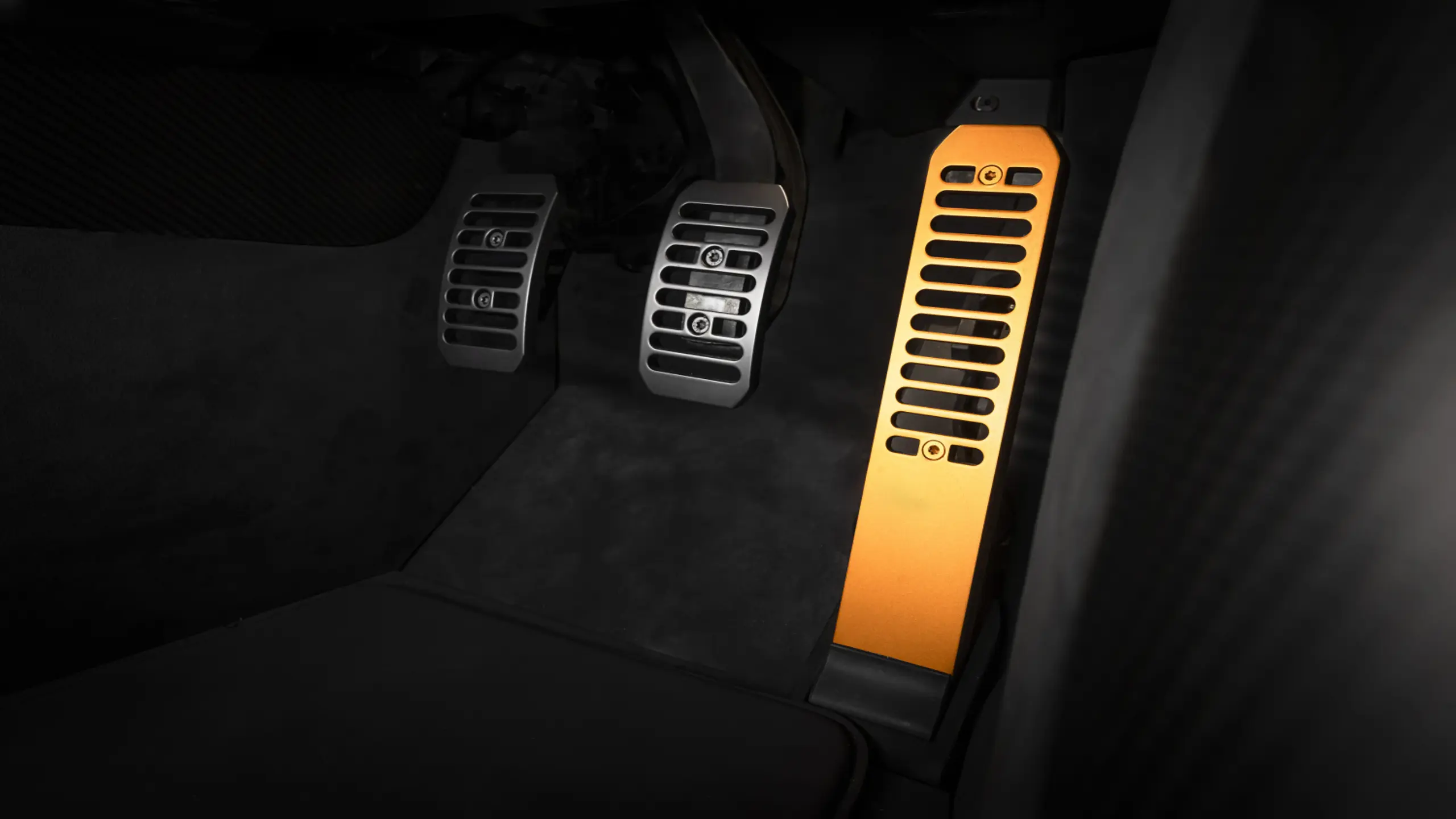
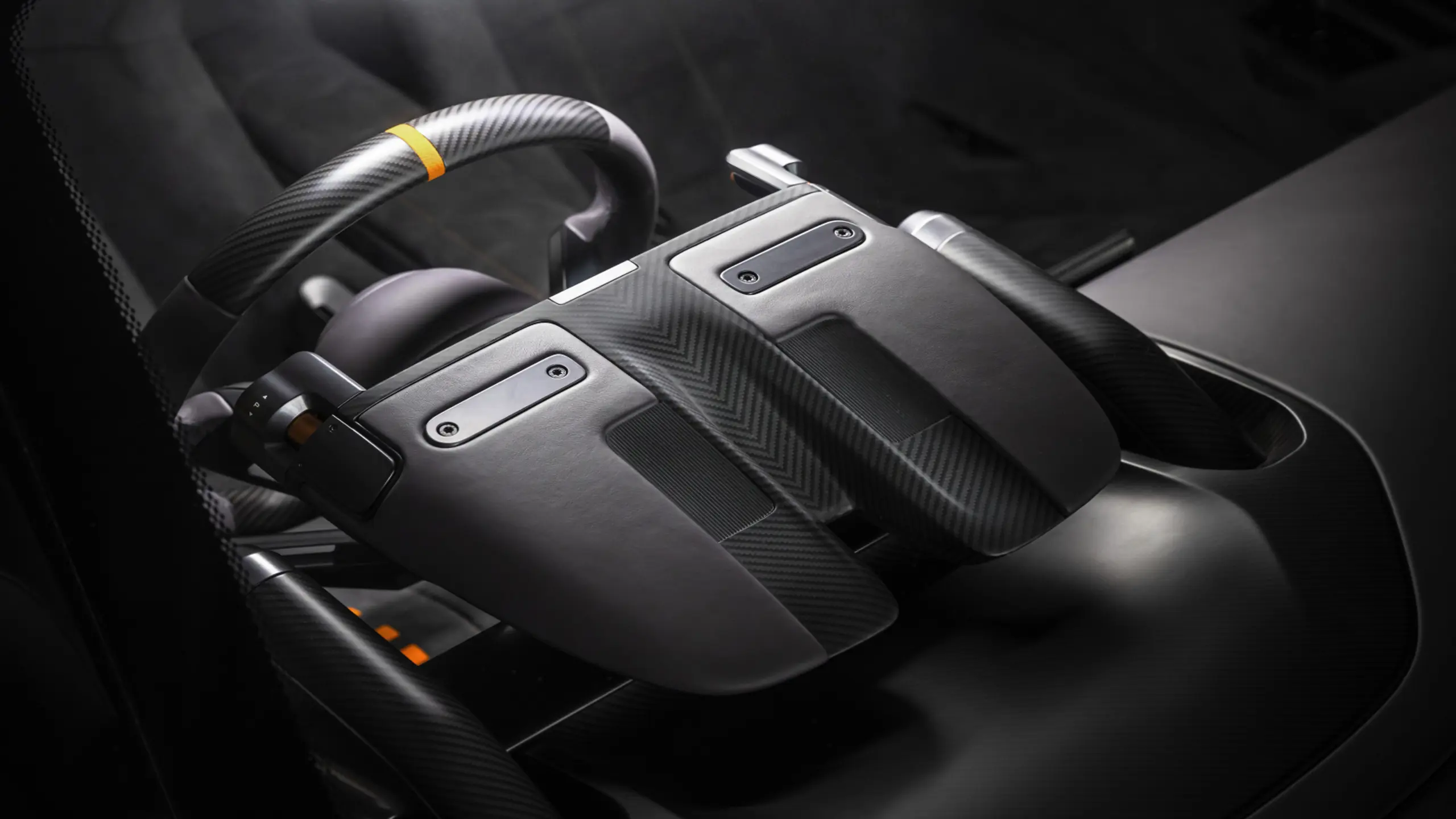
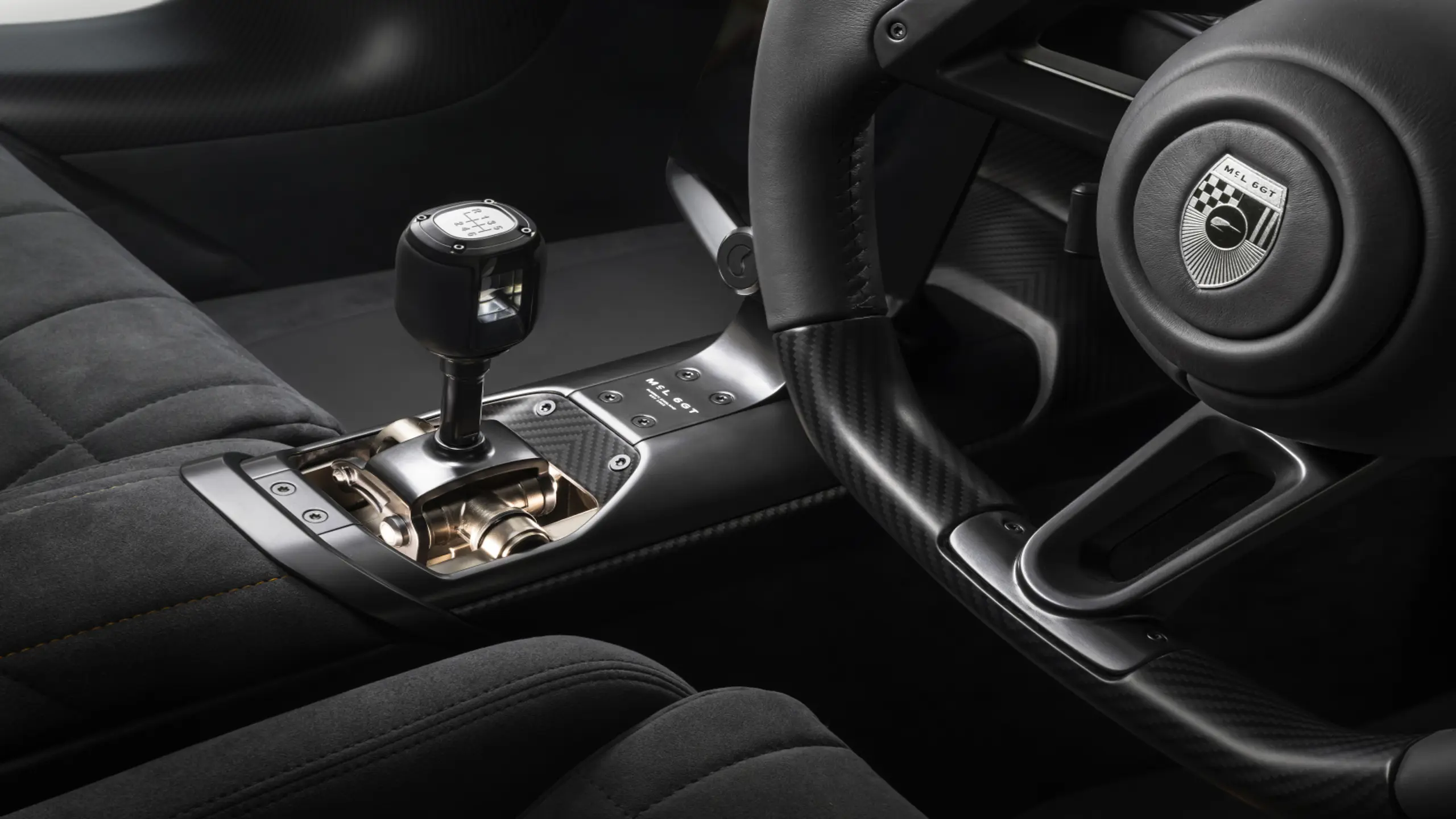
At the heart of the McL 6GT is an increasingly rare idea of driving connection: tactile, analogue and deeply mechanical. McLaren has deliberately focused on making every interaction between driver and machine feel deliberate, from the steering and throttle to every individual gear change. An authentic manual transmission is central to this philosophy. The gearstick has been engineered not only for its precise feel and throw, but also as a direct reference to McLaren’s heritage. A three-dimensional Speedy Kiwi is integrated into its upright, creating a small but highly personal connection between the modern car and the brand’s origins. The emphasis on physical interaction extends beyond the drivetrain. Hydraulic steering, tactile switchgear and visible engineering details reinforce the sense that the driver is directly connected to the mechanical elements of the car. Knurled machined-aluminium controls and carefully considered ergonomics further strengthen this relationship, ensuring that even the smallest interaction feels purposeful. This focus on tactility reflects the broader philosophy behind the McL 6GT. McLaren describes the car as an exploration of a form of driving that is becoming increasingly uncommon – one in which technology supports the experience without overwhelming it. The result is intended to make every input, movement and response feel physical, immediate and rewarding.
Pure Lightweight DNA
Lightweight engineering has been a defining principle of McLaren both on the racetrack and on the road, and the McL 6GT carries that philosophy into a new era. Its construction is based around the latest super-lightweight carbon-fibre monocoque technology, combined with carbon-fibre bodywork to create an exceptionally rigid and lightweight foundation. This approach directly connects the concept with McLaren’s racing heritage while providing tangible performance benefits. Reducing weight improves the car’s power-to-weight ratio, agility and responsiveness, allowing the engineering philosophy to become an essential part of its character rather than simply a technical specification. The use of carbon fibre is also deliberately visible inside the cabin. Exposed gloss carbon-fibre surfaces reference the original M6GT while simultaneously communicating the modern construction technology beneath the bodywork. Every element is intended to serve a purpose, reinforcing the McL 6GT’s central principles of performance, purity and driver connection. The concept therefore represents more than a nostalgic tribute to Bruce McLaren. It is a modern interpretation of an idea that began in the 1960s – combining his original ambition with more than six decades of technological development and McLaren’s continuing passion for creating cars that place the driver at their centre. With production planned for 2028, the McL 6GT could become the realisation of a dream that Bruce McLaren began, but never had the opportunity to complete.