A Single Conversation, Nine Distinct Futures
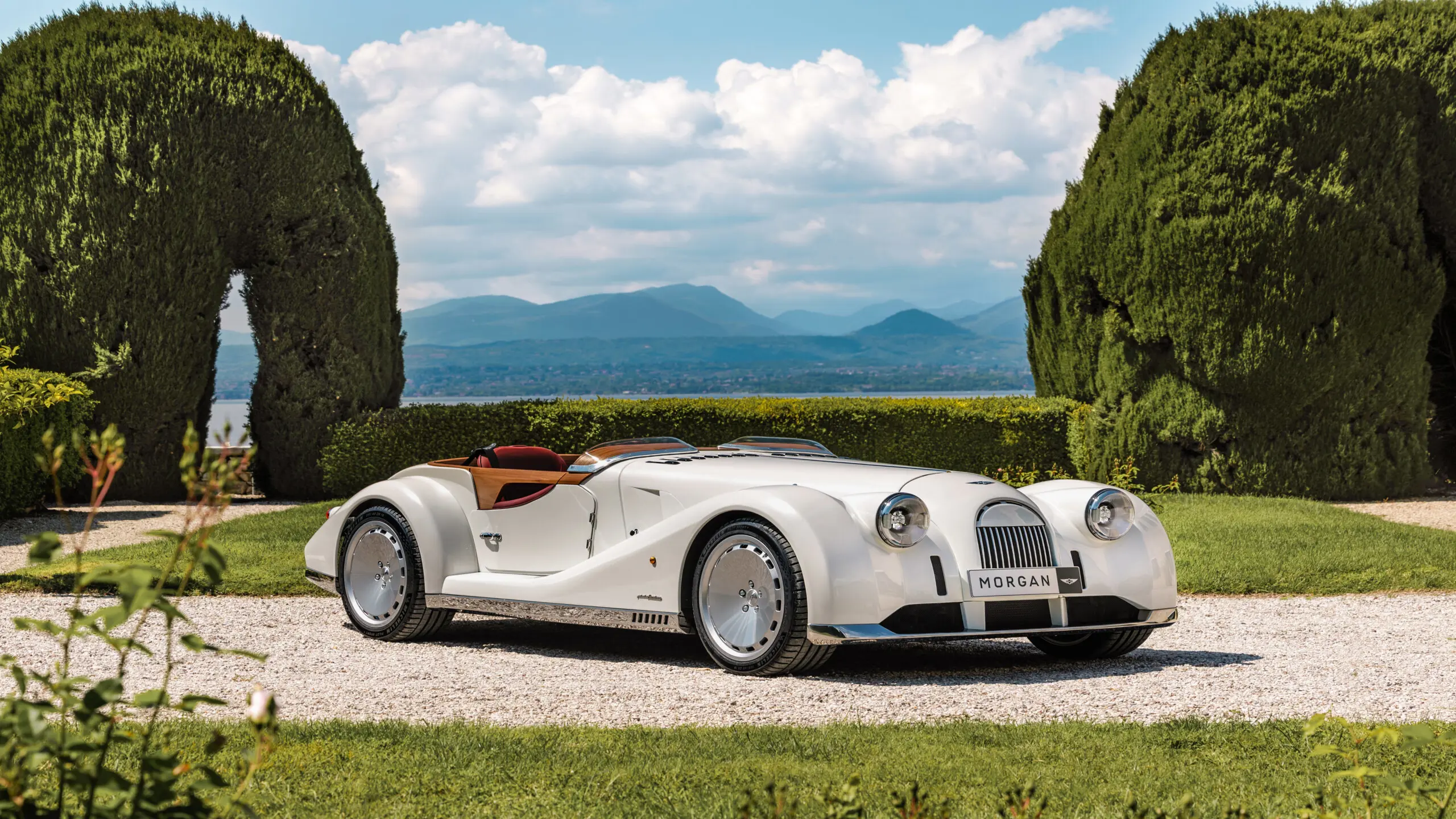
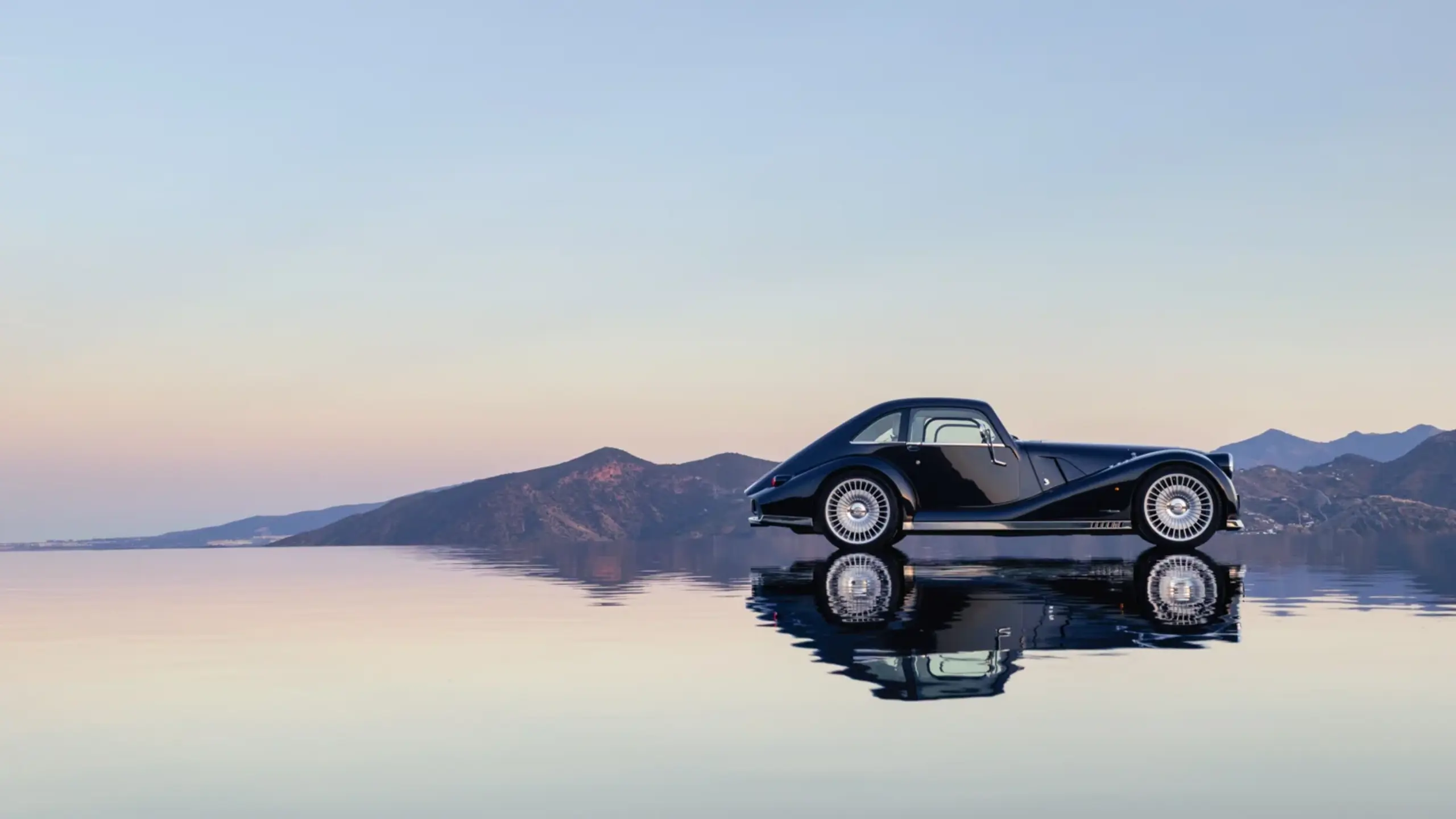
Some of the most significant moments in coachbuilding history don't begin with a brief or a business case. They begin with a conversation. For Morgan, that conversation took place shortly after the unveiling of the original Midsummer in 2024, when a client approached the company with a question rather than a demand: what if this celebrated barchetta had a roof? What followed was not a simple engineering exercise, but a project that would ultimately reshape part of Morgan's design language entirely. That single idea grew into something far larger. The strength of the concept led to eight further commissions, expanding what began as one client's vision into a programme of nine highly bespoke vehicles, each developed individually yet sharing a common architectural foundation. The prototype revealed today, known internally as the artists' proof, establishes the design, engineering and craftsmanship benchmark against which all nine future commissions will be measured, before taking up residence in the Louwman Collection in The Hague, one of the world's most significant collections of historic automobiles.
Beyond a Roof: Rethinking a Silhouette
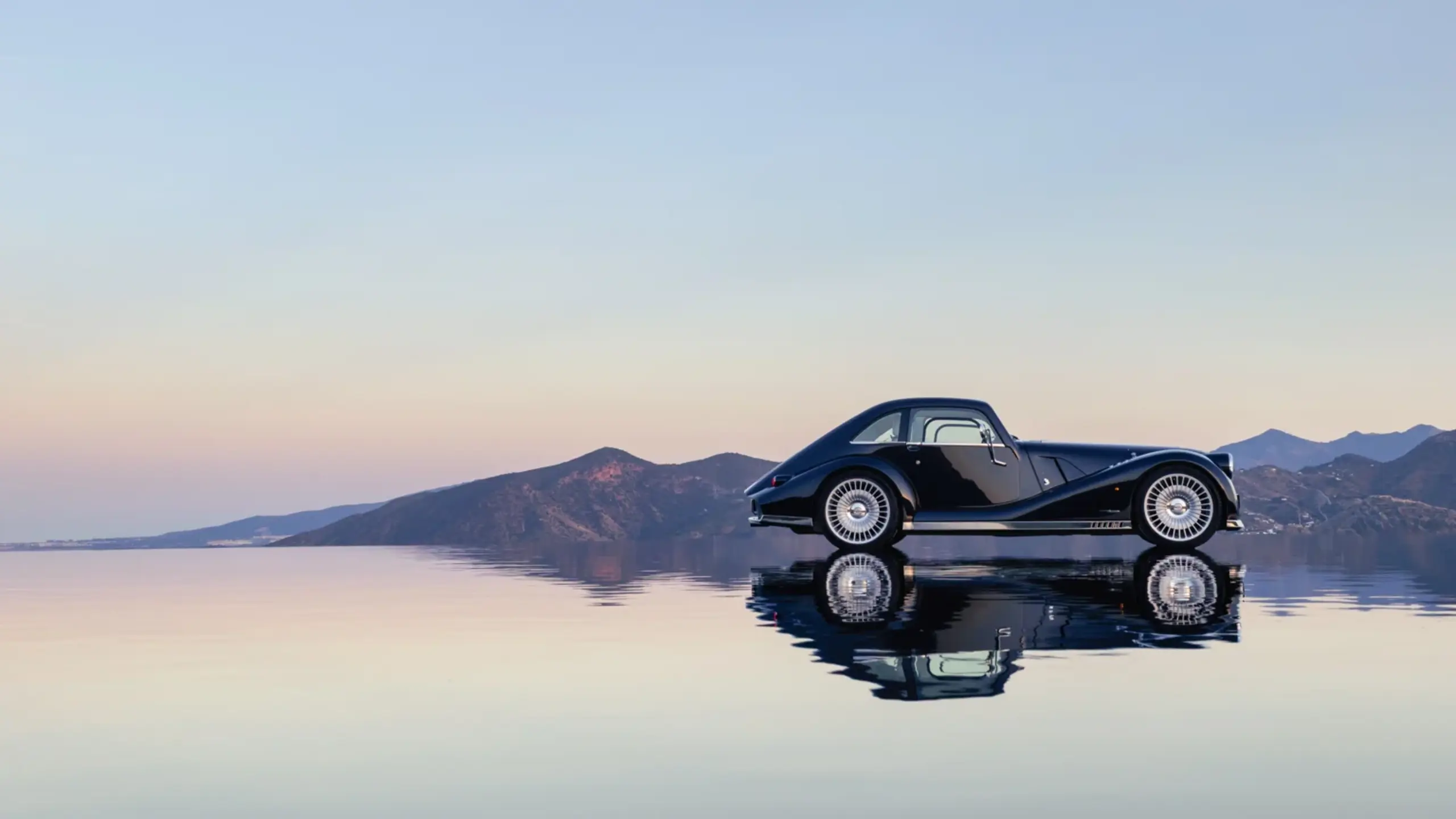
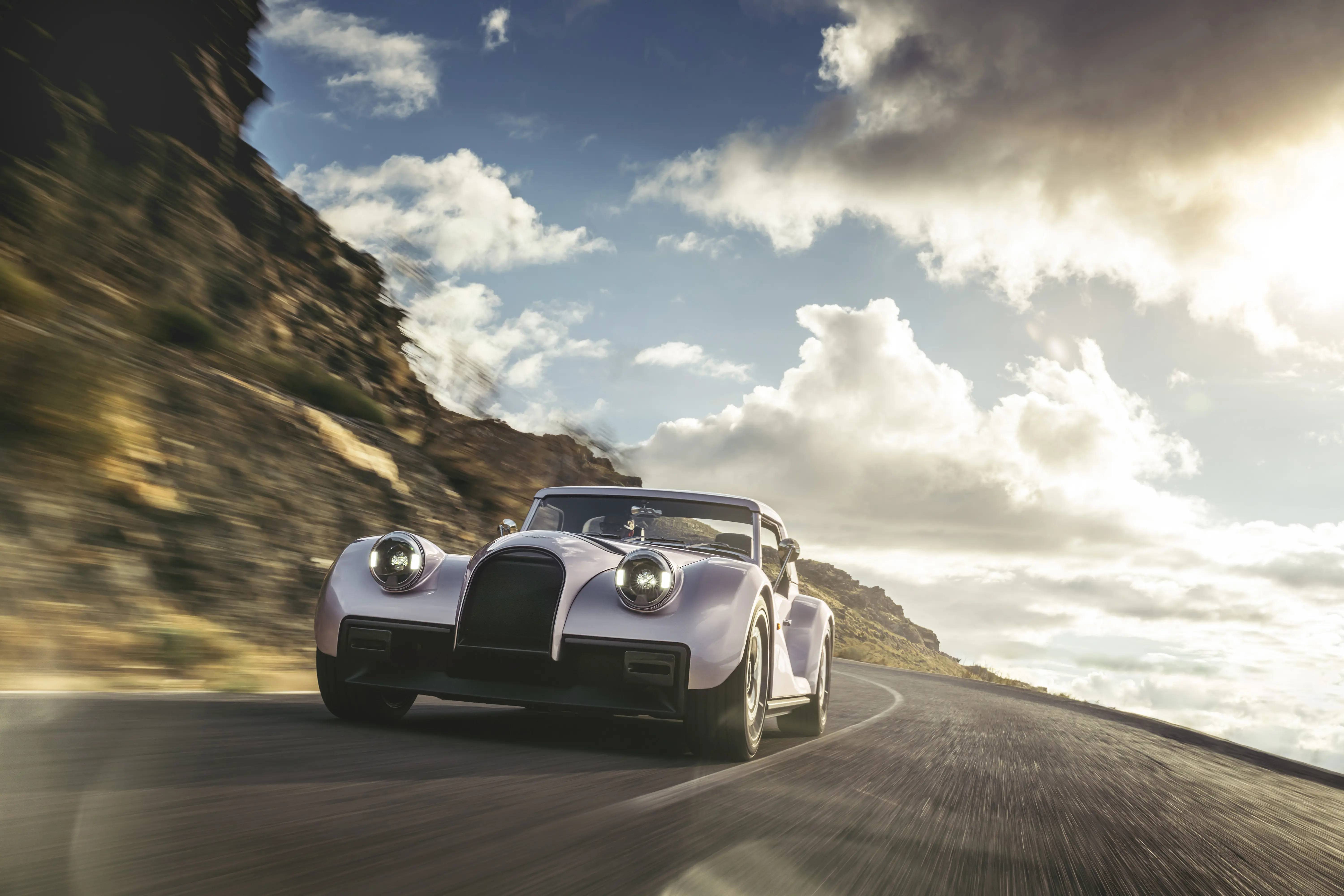
It would be easy to assume that adding a fixed roof to an open barchetta is simply a matter of enclosure. Midsummer Coupé proves otherwise. The introduction of a fixed-head architecture gave Morgan's designers, working once again alongside longtime collaborator Pininfarina, the freedom to rethink the car's proportions from the ground up rather than simply cap an existing form. The result is a dramatic glazed canopy that introduces an entirely new visual tension to the silhouette, with a roofline that flows seamlessly into the rear bodywork when viewed from the rear three-quarter angle, a single continuous form that pulls the eye from windscreen to tail. The practical gains run just as deep as the visual ones. Full weather sealing and integrated climate control transform Midsummer from a fair-weather companion into a car suited to genuine touring, while a defined aluminium beltline, incorporating the door handle within its own structure, and polished stainless-steel lower body panels maintain a clear visual thread back to the original barchetta. New forged 19-inch aluminium wheels, the most intricate Morgan has ever produced, complete a design that manages to feel both entirely new and unmistakably continuous with where it came from.
Teak, Aluminium and the Discipline of Material Honesty
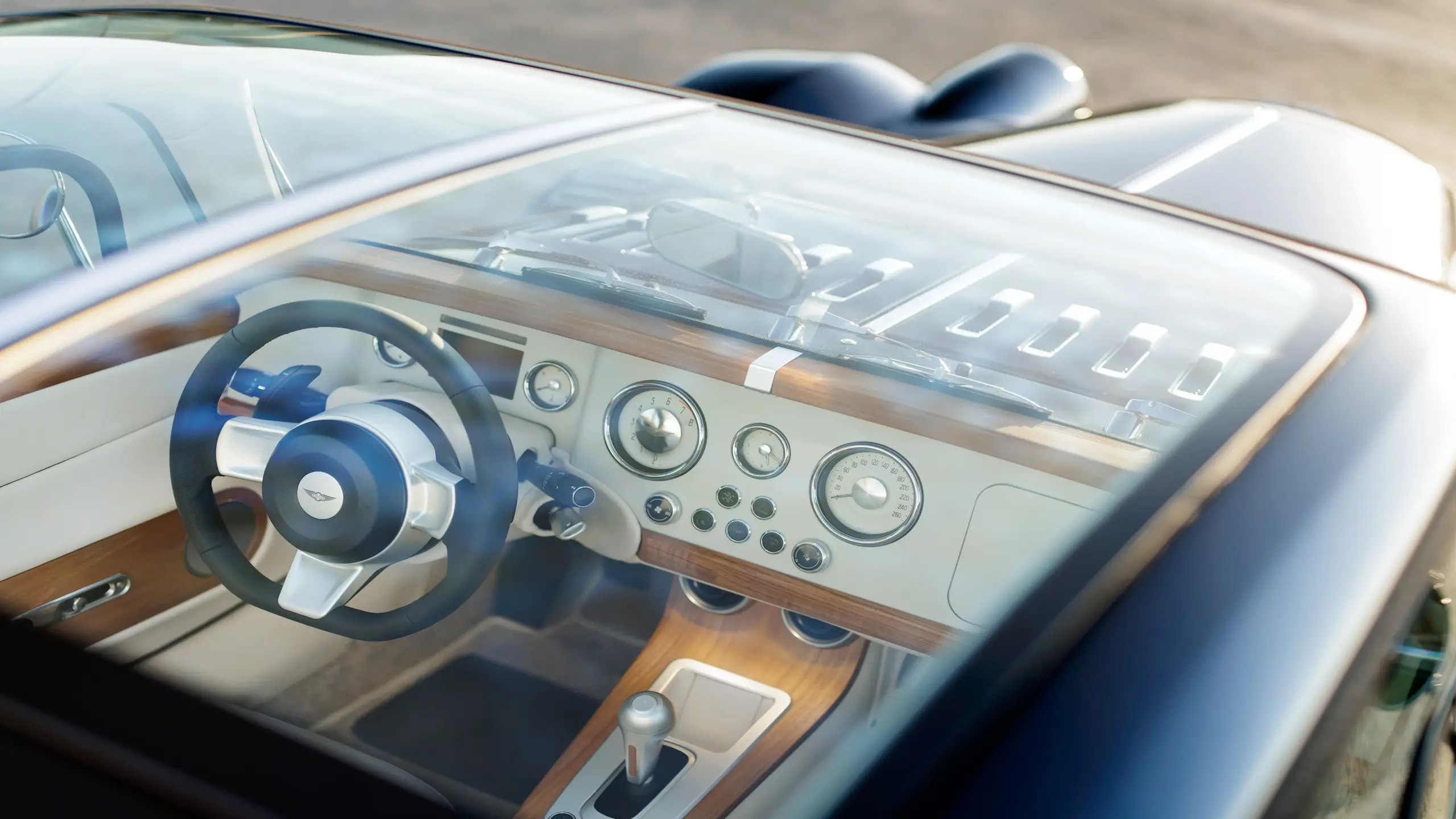
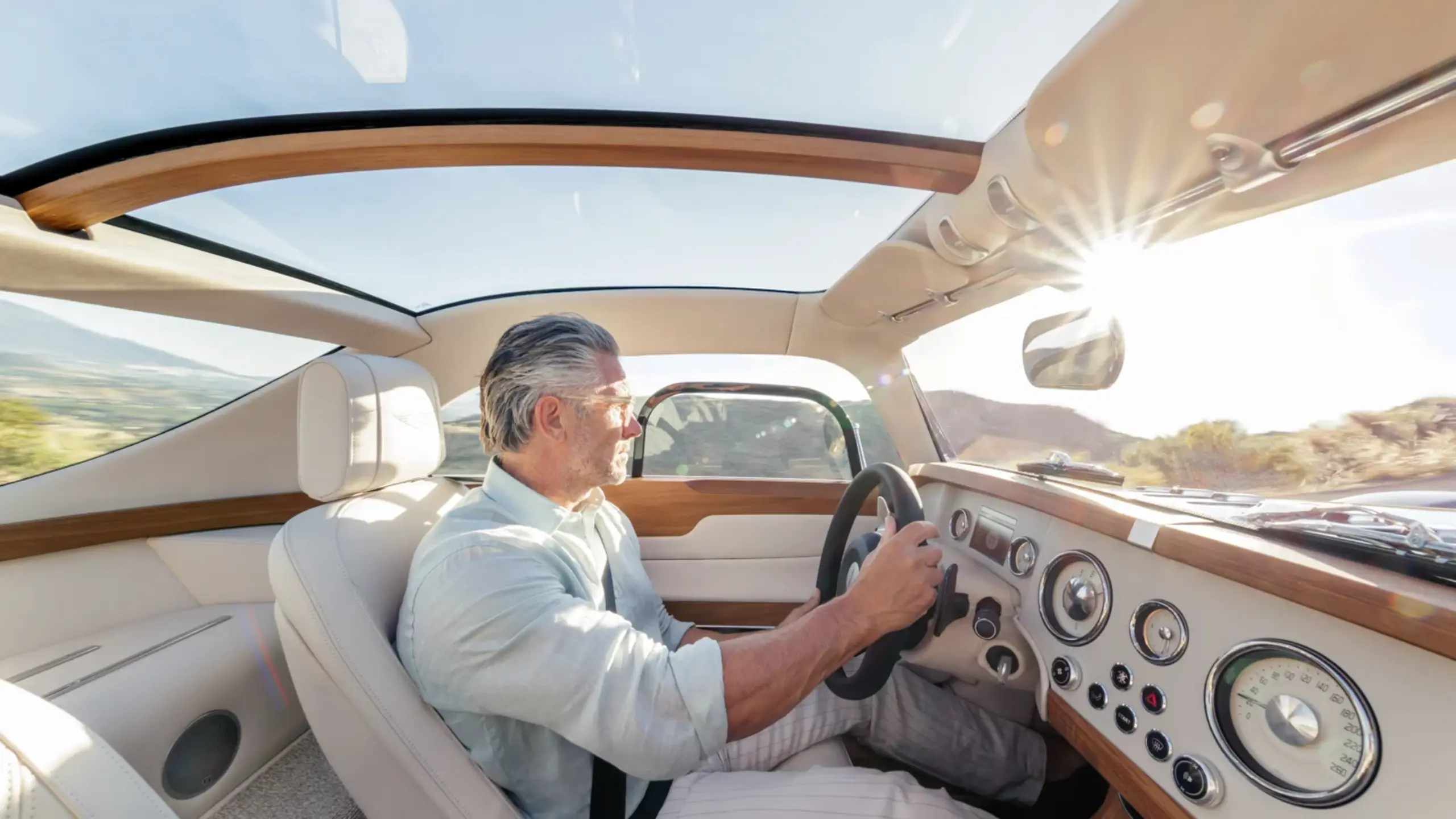
Step inside and the cabin reveals a level of material expression that few small coachbuilders attempt, let alone achieve. Natural light pours in through the expansive glazed roof, lending an open, airy quality that belies the car's fixed-head configuration. Teak, one of the defining materials of the original Midsummer, runs extensively throughout the interior, appearing in the newly developed aluminium gear selector, in the sun visors, and along a solid aluminium rail spanning the cabin that also houses the rear-view mirror. Every detail has been considered as part of a single, cohesive composition rather than added for its own sake. Even the window switches, mounted directly within the roof structure, speak to a design process where form and function were resolved together rather than negotiated afterward. While the artists' proof showcases teak throughout, Morgan has deliberately left room for individuality: each of the nine future client commissions will be free to explore alternative timber finishes and material pairings, ensuring that no two Midsummer Coupés will ever feel quite the same, despite sharing a common soul.
An Architecture Where Wood, Aluminium and Glass Share the Load
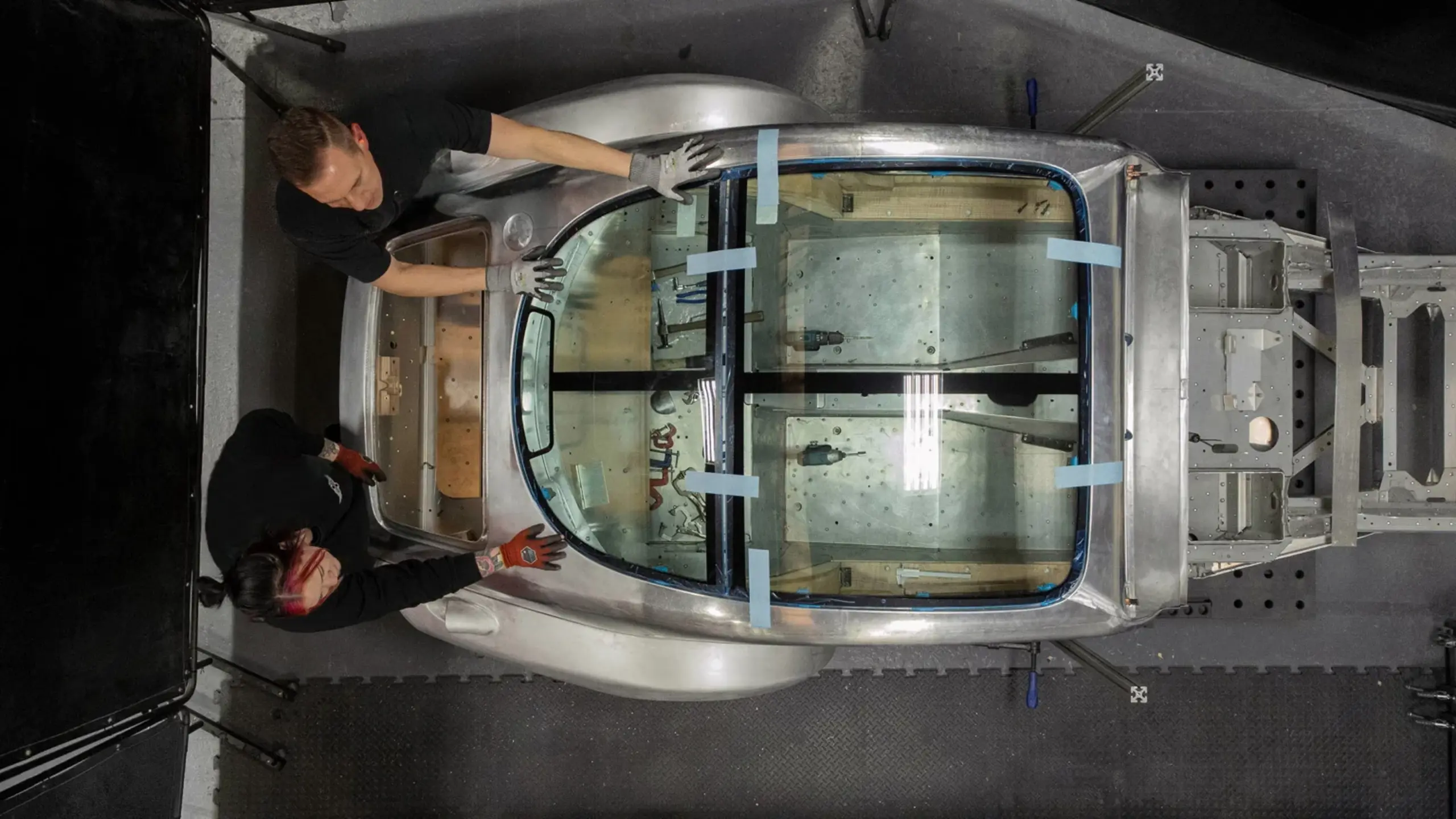
Beneath the surface lies perhaps the most quietly remarkable achievement of the entire project. Creating a fixed-head version of Midsummer demanded a genuinely new structural approach, built around billet-machined aluminium A-pillars, bonded structural glazing and countersunk riveted construction. Rather than simply sitting atop the chassis, the roof and glazing are bonded directly into the aluminium structure itself, distributing loads more evenly across the vehicle and allowing each major component to perform multiple structural roles at once. The numbers tell their own story of restraint. Despite the addition of a full fixed-roof structure, Midsummer Coupé weighs just 2.5% more than a Supersport fitted with a hardtop, a remarkably small penalty for such a significant architectural shift. Much of that discipline comes from Morgan's enduring relationship with traditional materials: an ash body frame continues to form part of the load-bearing structure, transferring loads through the chassis while contributing natural acoustic benefits that no synthetic material fully replicates. Each centre body, meanwhile, is still hand-formed from flat aluminium sheet using the English wheel, a technique generations old, before being assembled with digital scanning and laser measurement guiding the process at every stage. It is a structure where centuries-old craft and modern precision aren't in tension, but in genuine partnership, wood, aluminium and glass each carrying real, measurable weight within a single engineering solution. What ultimately distinguishes Midsummer Coupé is not any single material or technique, but the conviction that coachbuilding, properly understood, is never finished evolving. Nine clients will now work individually with Morgan's design team to shape their own colours, leathers, wood finishes and bespoke details, ensuring that the collection remains, in the truest sense, nine entirely unique vehicles built from one shared idea. In an era when so much of automotive exclusivity is manufactured through scarcity alone, Midsummer Coupé offers something rarer still: proof that a single honest conversation between a maker and a client can still produce something this considered, this personal, and this enduring.