Nineteen Years to This Moment
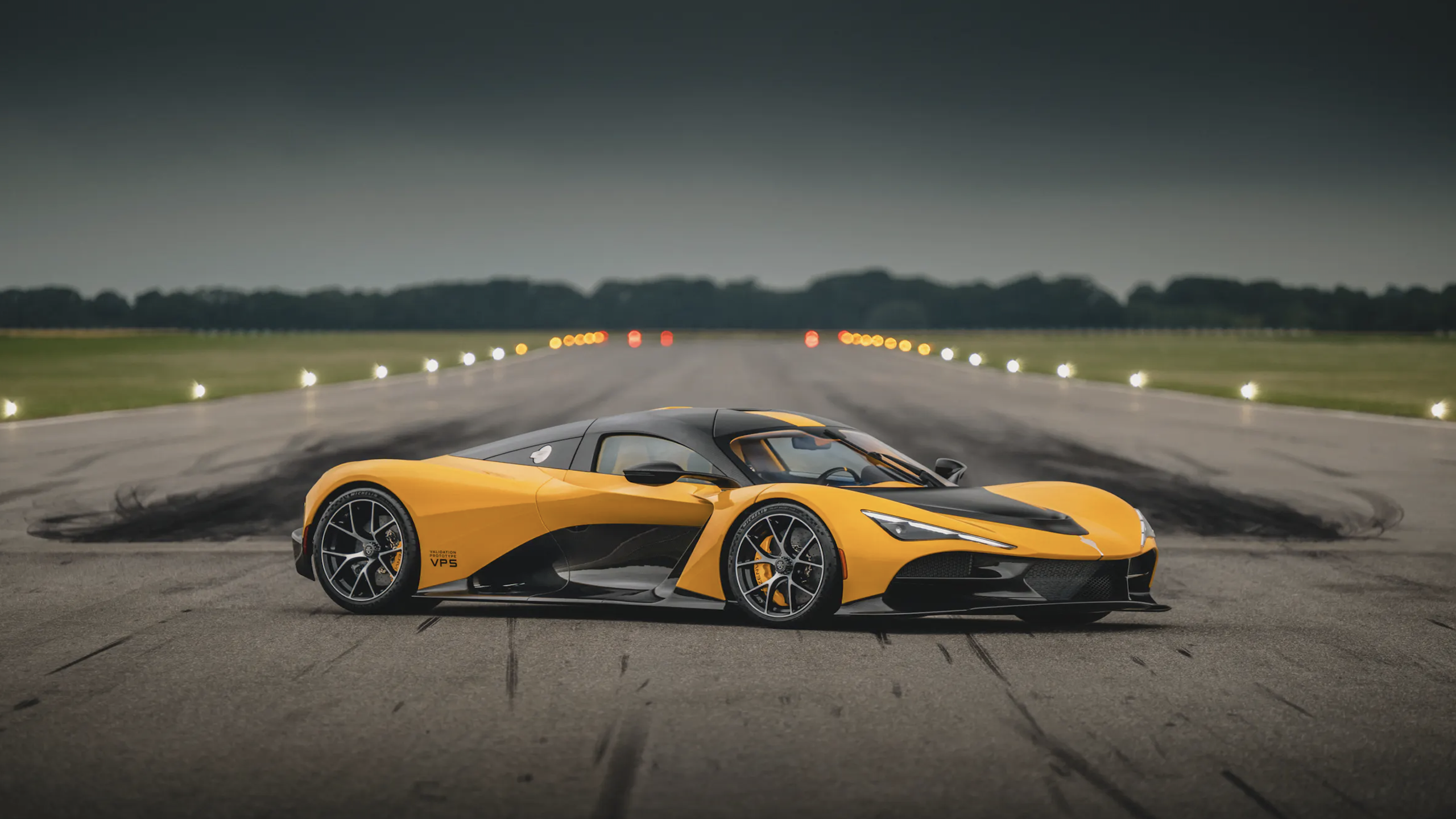
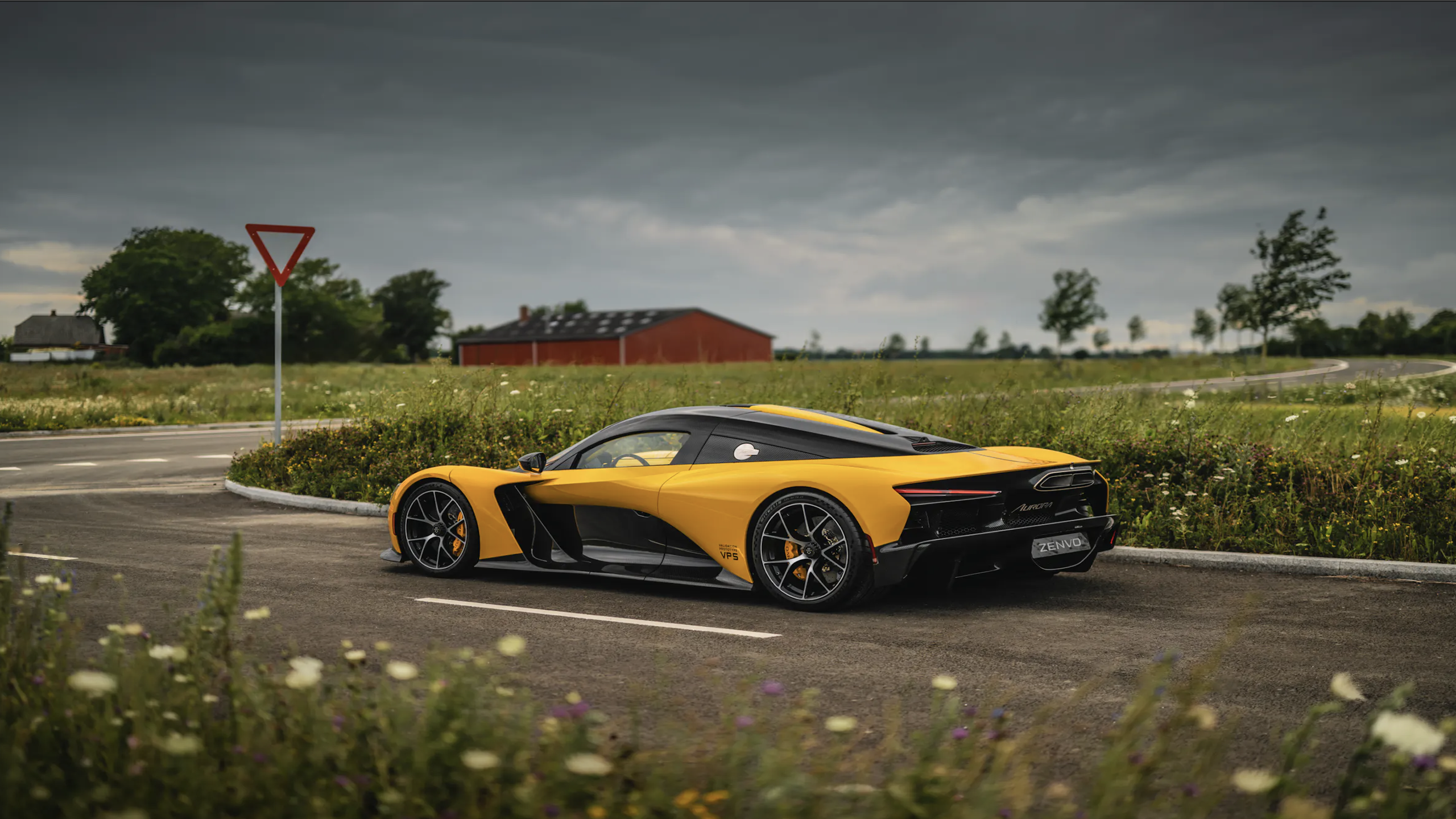
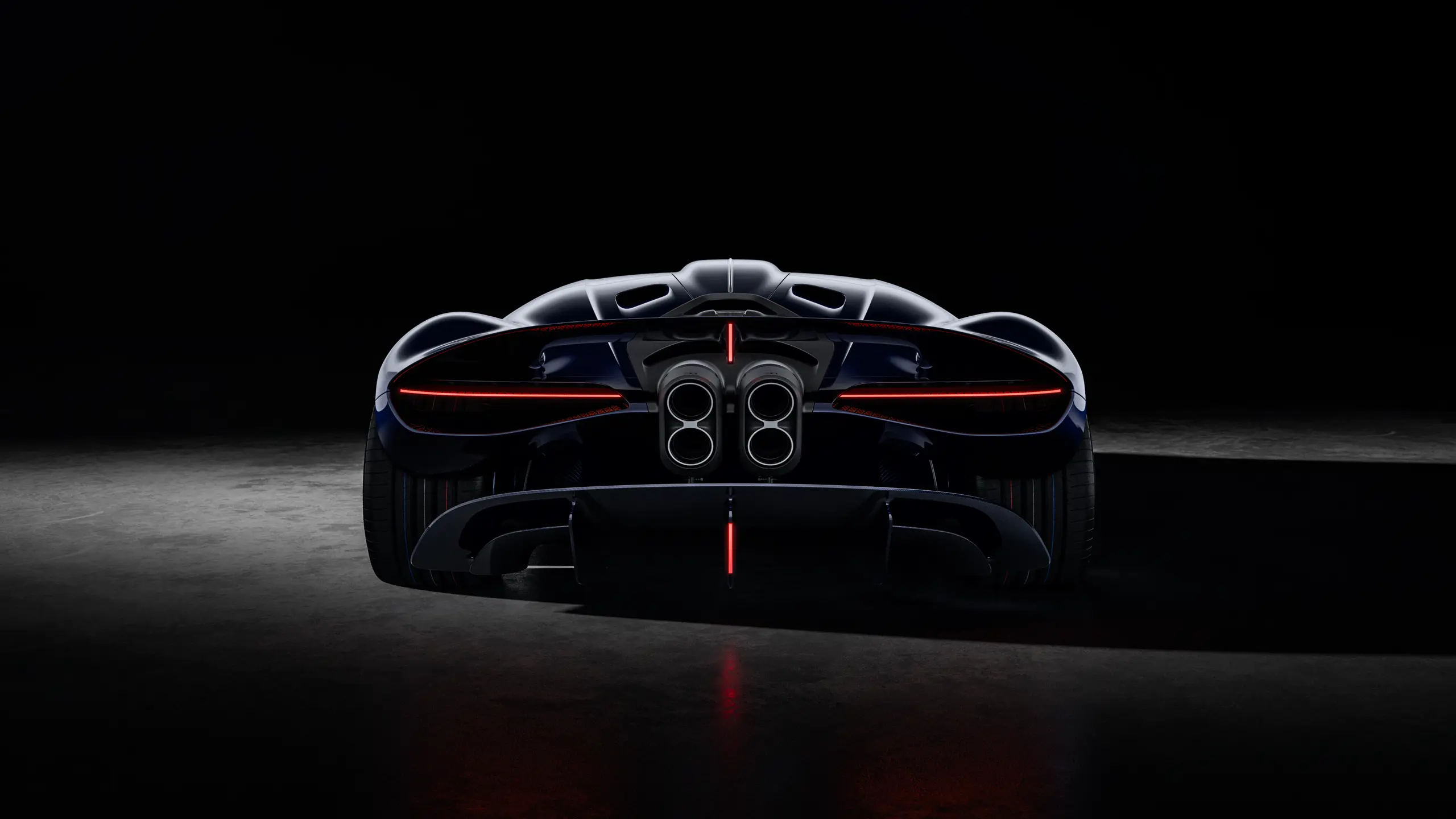
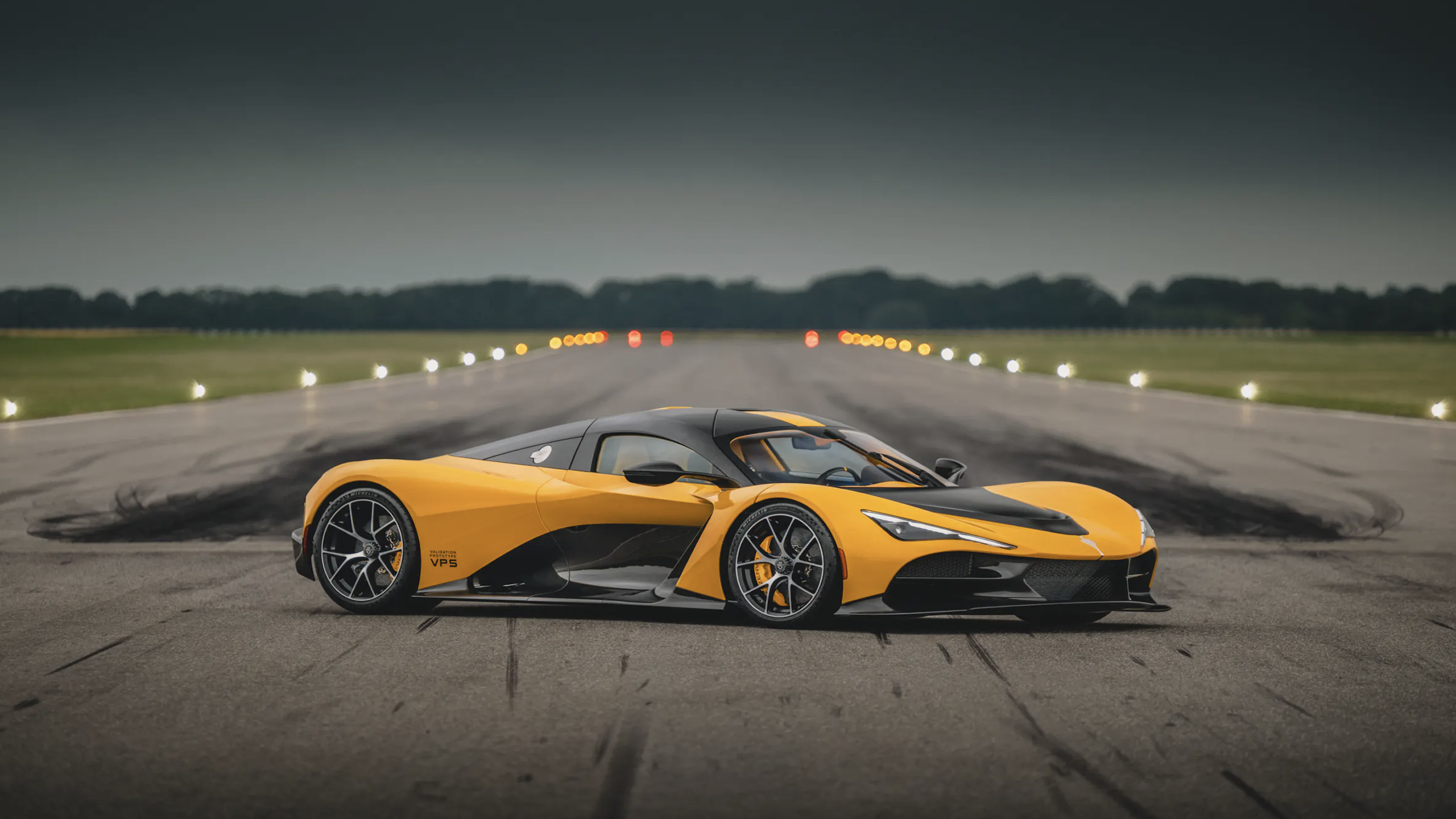
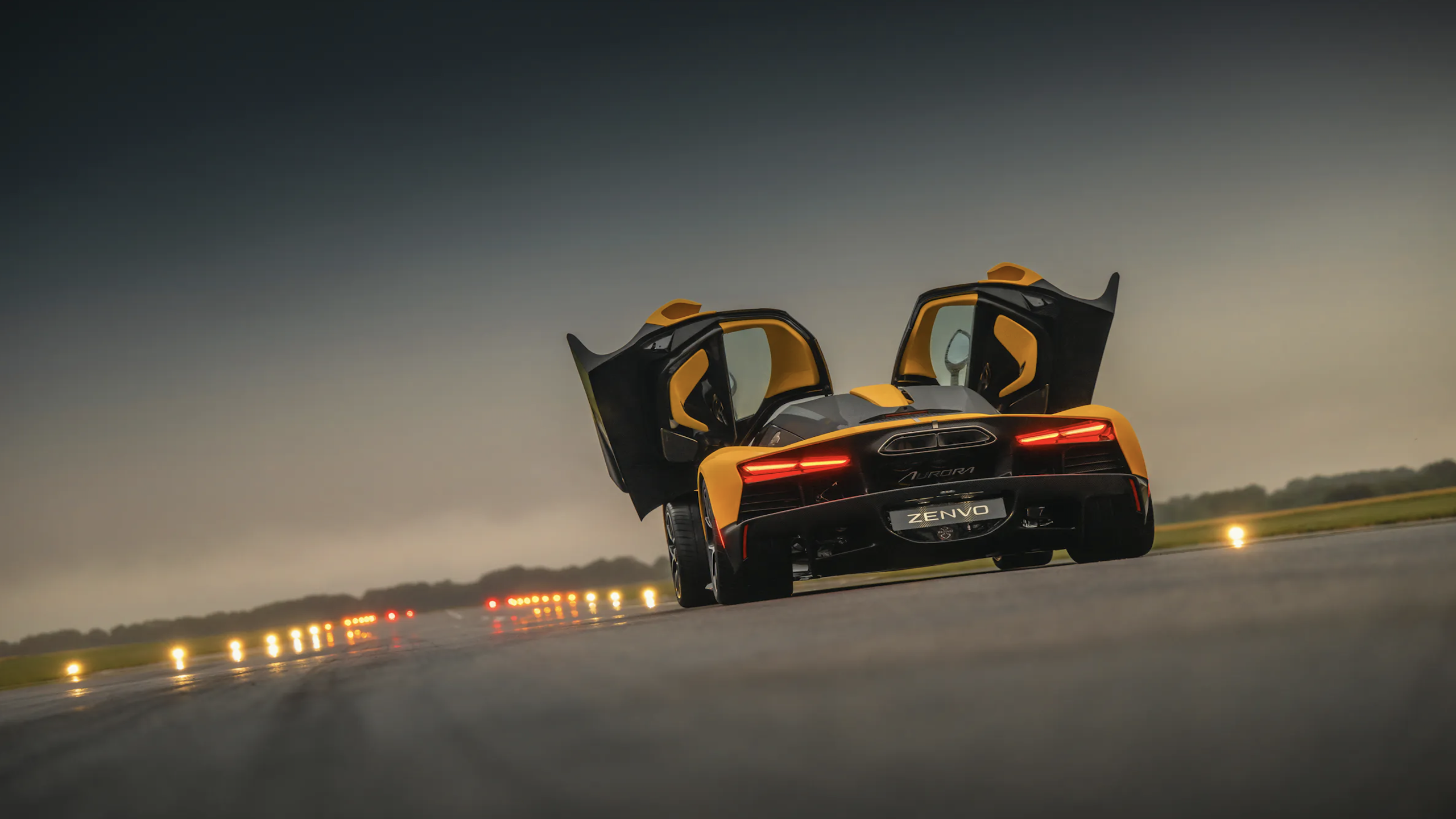
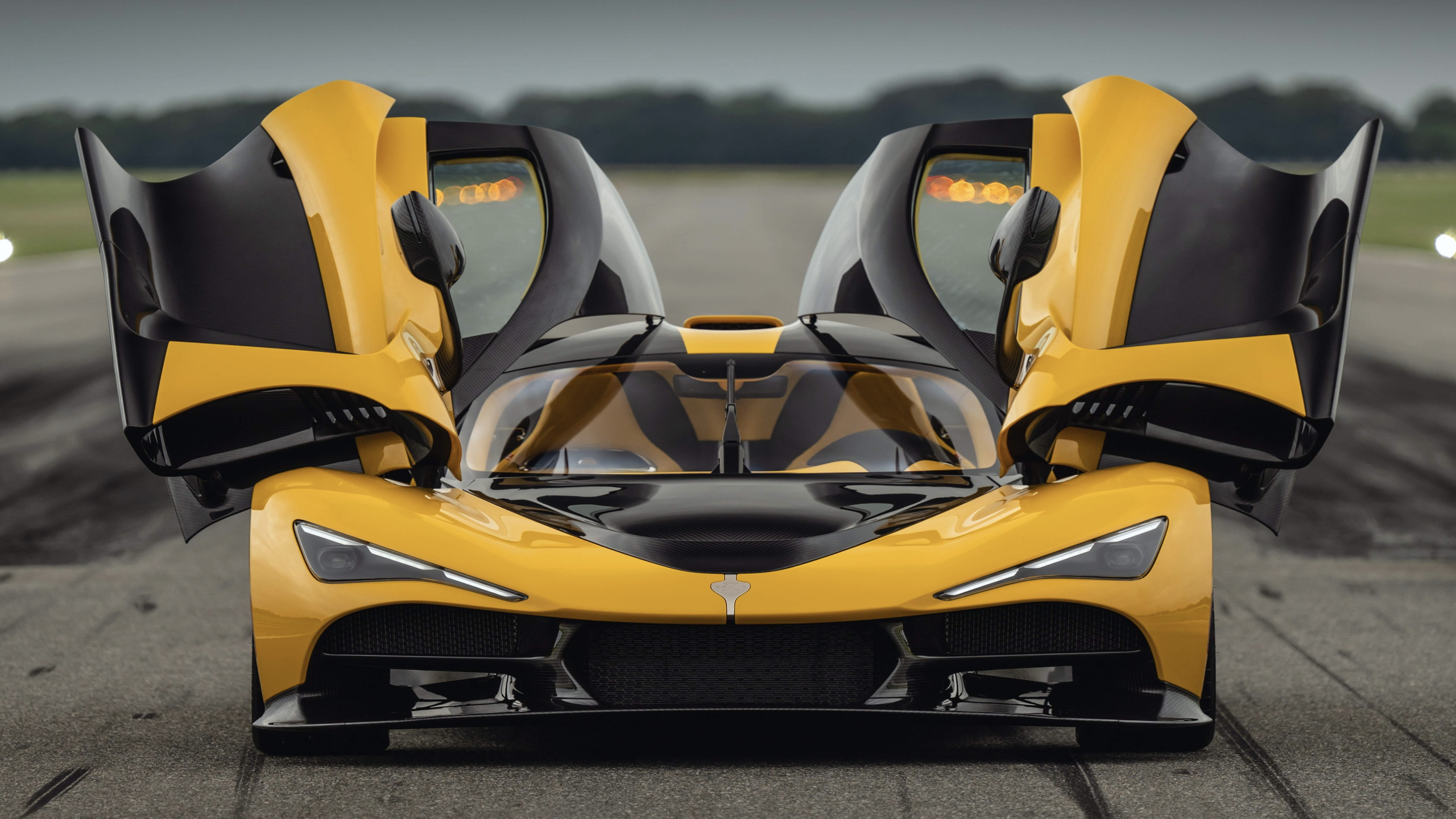
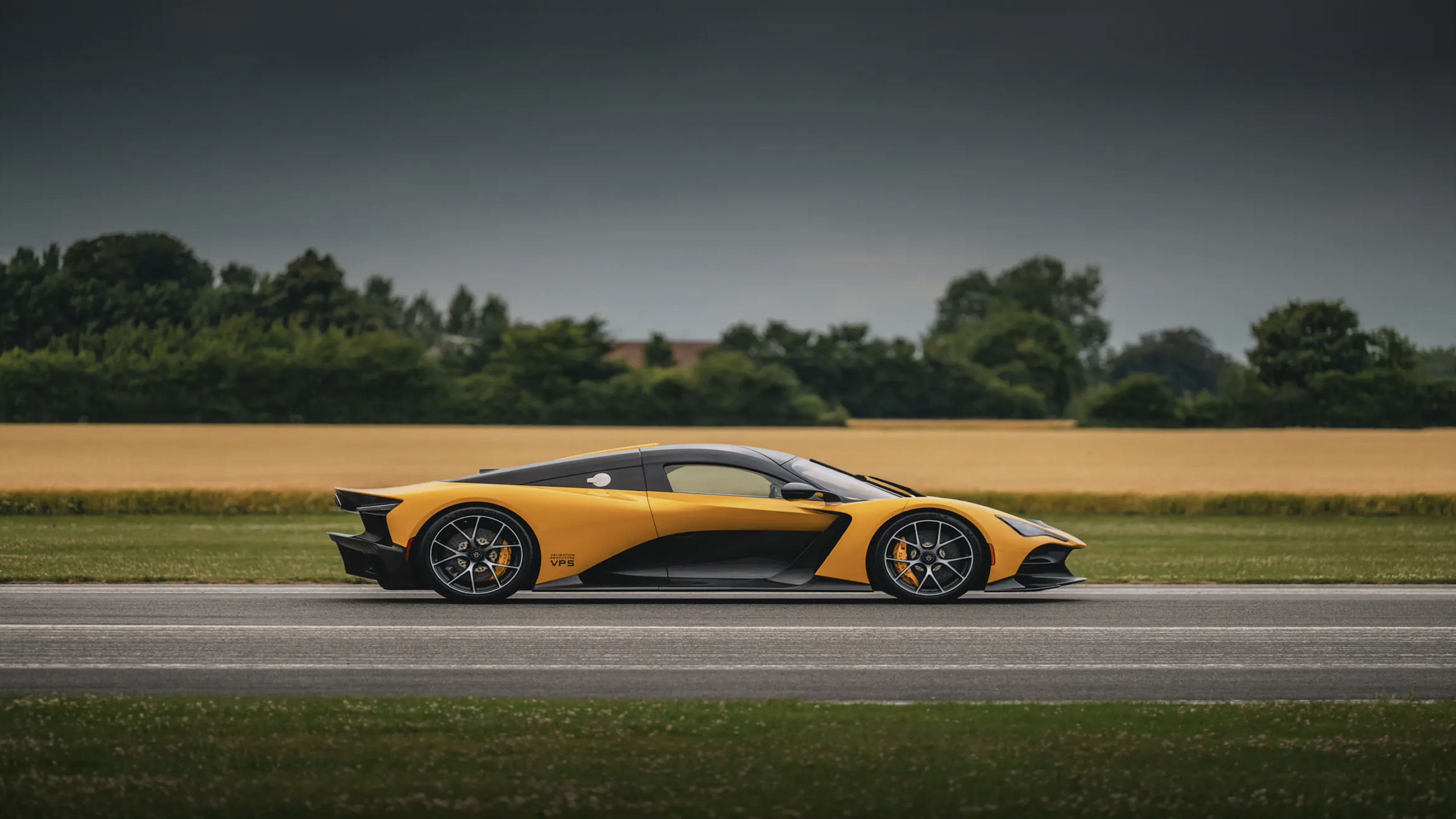
There are manufacturers who announce hypercars and manufacturers who build them. Zenvo, in nineteen years of existence from its factory in Præstø on the Danish coast, has always belonged to the second category, quietly, methodically, without the noise that typically surrounds cars of this ambition. Aurora is the most significant thing the company has ever made, and the arrival of two validation prototypes at the 2026 Goodwood Festival of Speed marks the moment that significance becomes tangible. These are not show cars dressed for a stand. They are production-specification Tur models, the direct predecessors of the cars that will reach customers in the second half of 2027, developed from the ground up on an entirely bespoke platform and powered by an engine that has no equal among road cars. That engine is a 6.6-litre quad-turbocharged V12, developed in partnership with MAHLE Powertrain, targeting 1,250 bhp and a redline of 9,800 rpm. It is, by any measure, the most powerful V12 ever fitted to a production road car, a statement Zenvo makes without qualification, and one that the specification supports entirely.
An Equilibrium of Extremes
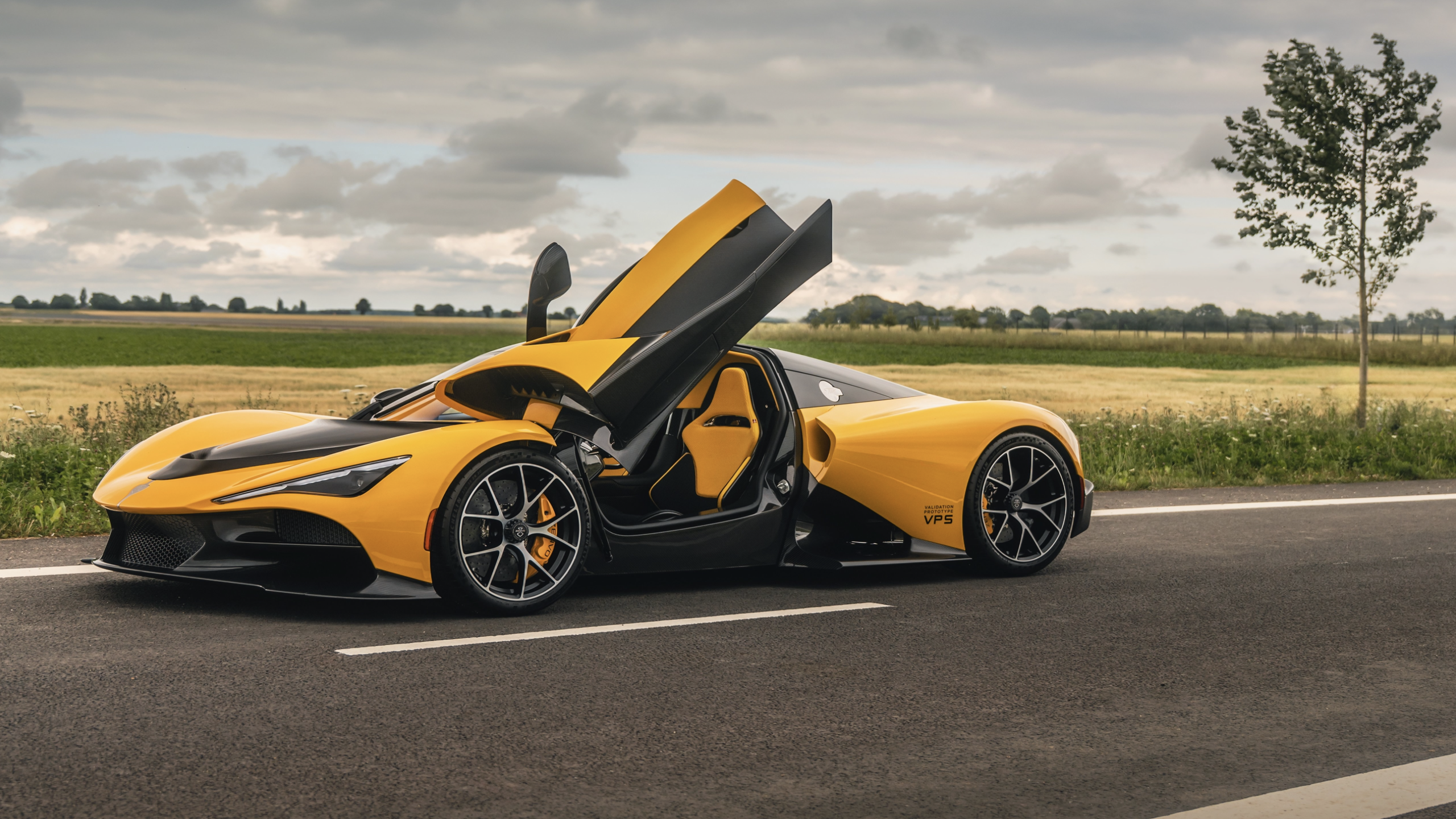
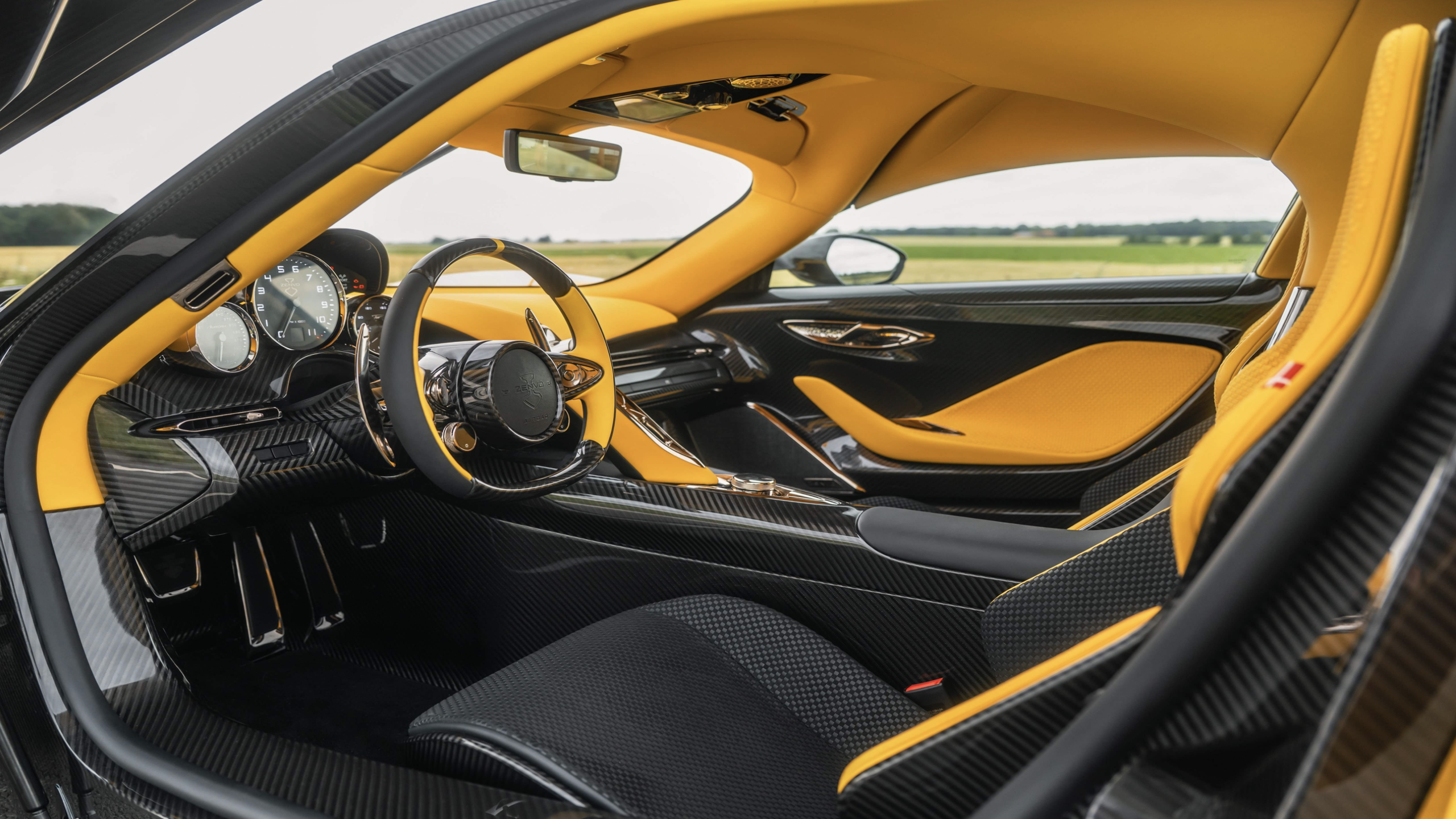
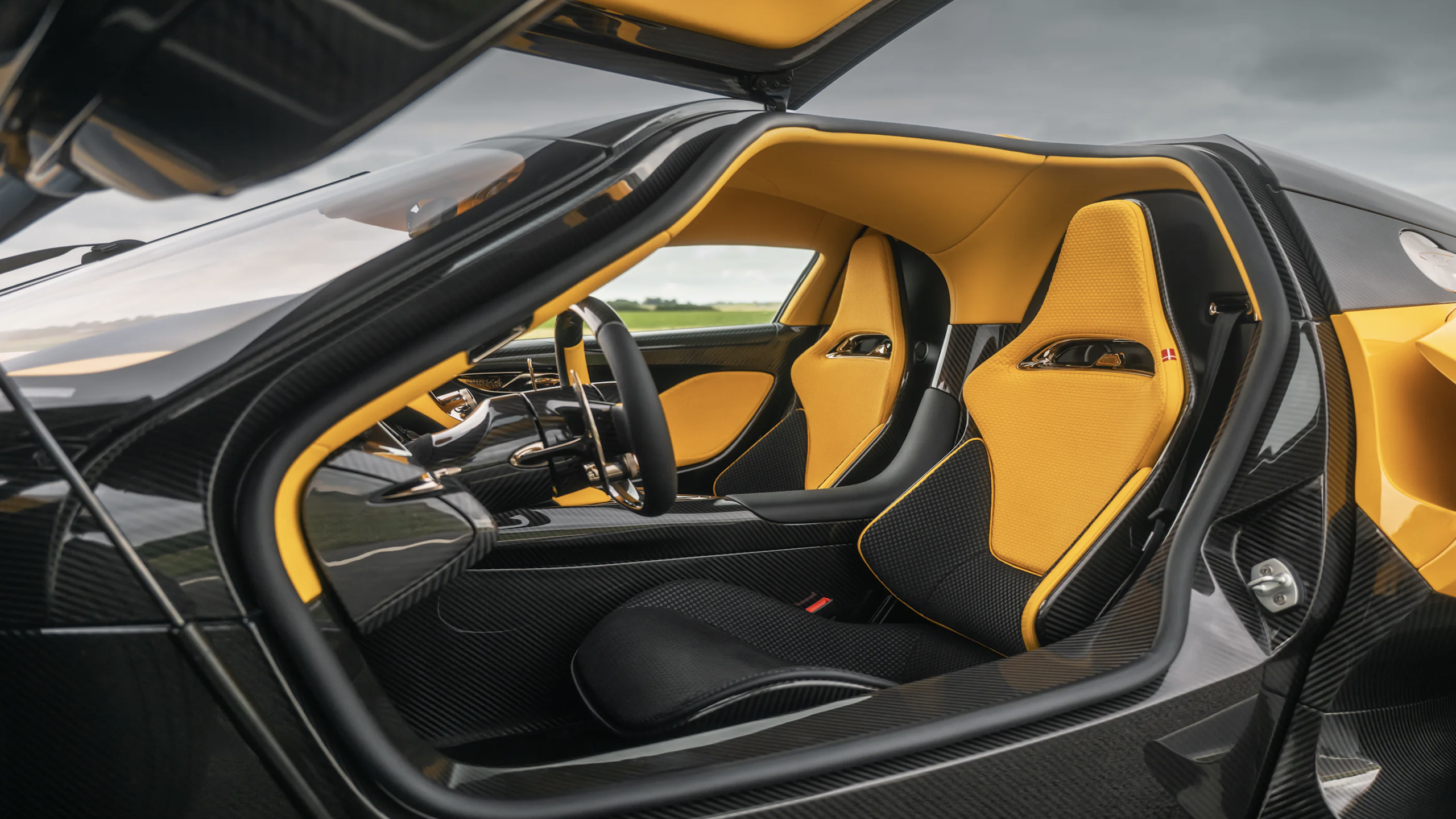
The V12 does not work alone. Aurora pairs it with a lightweight triple electric motor system, bringing total targeted output to 1,850 bhp depending on variant, a figure that places it among the most powerful road cars ever conceived, arrived at not through a single powertrain philosophy but through the integration of two, each chosen for what it contributes to the driving experience rather than the specification sheet. The result is what Zenvo's Executive Chairman Jens Sverdrup describes as an equilibrium of extremes: power and lightness, technical ambition and emotional accessibility, extreme performance and genuine driving pleasure, held in balance by what he calls the company's Scandinavian roots, a design and engineering philosophy shaped by clarity, purpose and careful consideration of every component's contribution to the whole. Aurora will be offered in two distinct forms. Agil is the lightweight, track-focused but road-legal variant; Tur, revealed here in production specification for the first time, takes the same platform in a more classically-inspired grand touring direction. Both share the V12, the bespoke architecture and the same fundamental commitment to making the car's performance accessible rather than merely impressive, a distinction that matters, and one that Zenvo has been deliberate about since Aurora's earliest development stages.
Built in Denmark, Heard at Goodwood
The two Aurora Tur validation prototypes making their global debut at Goodwood this week completed their journey from Præstø alongside a single Aurora Agil show car, a trio that represents the full scope of what Aurora has become since its dynamic prototype debut at the same festival in 2025. That appearance introduced the car's character to the world in motion; this one introduces it in the form customers will actually receive, exterior and interior specifications visible and complete. CEO and CTO Jon Gunner speaks of the rhythm required to build a hypercar properly, the efficiency, the timing, the discipline of bringing so many systems into alignment, and the Goodwood appearance is the clearest public evidence yet that Zenvo has maintained that rhythm without compromise. Production will be strictly limited, with first deliveries targeting the second half of 2027. The number of examples has not been disclosed, but the architecture of the programme, hand-assembled in Denmark, developed across years rather than months, validated through a prototype process rigorous enough to warrant its own public milestones, suggests a manufacturer for whom exclusivity is a consequence of method rather than a marketing decision.
The Direction of a Future
What Aurora ultimately represents for Zenvo is less a product than a position. Every hypercar manufacturer reaches a moment where the ambition of a single project either defines or exceeds the company behind it. For Zenvo, Aurora is clearly the former, a car designed not to be the largest thing the company has ever attempted, but to be the truest expression of what it has always believed a driver-focused hypercar should be. The 1,850 bhp total output and 9,800 rpm redline are not ends in themselves but means: the tools through which a driver in the Tur's seat, on a road chosen for the occasion, will experience something that no figure on a page can adequately prepare them for. Goodwood has seen many debuts and many promises. Aurora arrives with neither fanfare nor uncertainty, just two validation prototypes, a factory in Denmark preparing for production, and the quiet confidence of a company that has spent nineteen years learning exactly how to build something like this.