A Number That Changes Everything
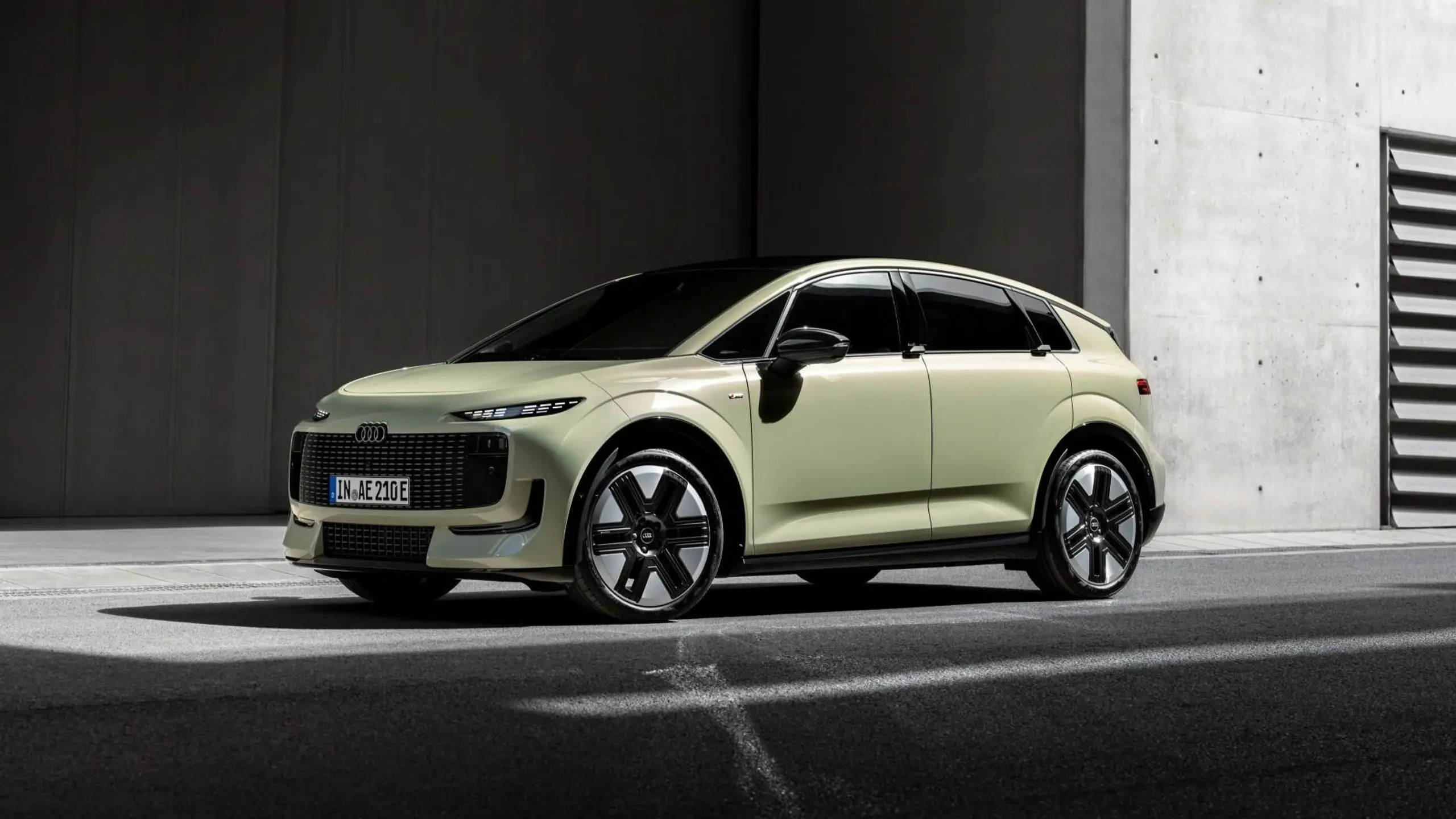
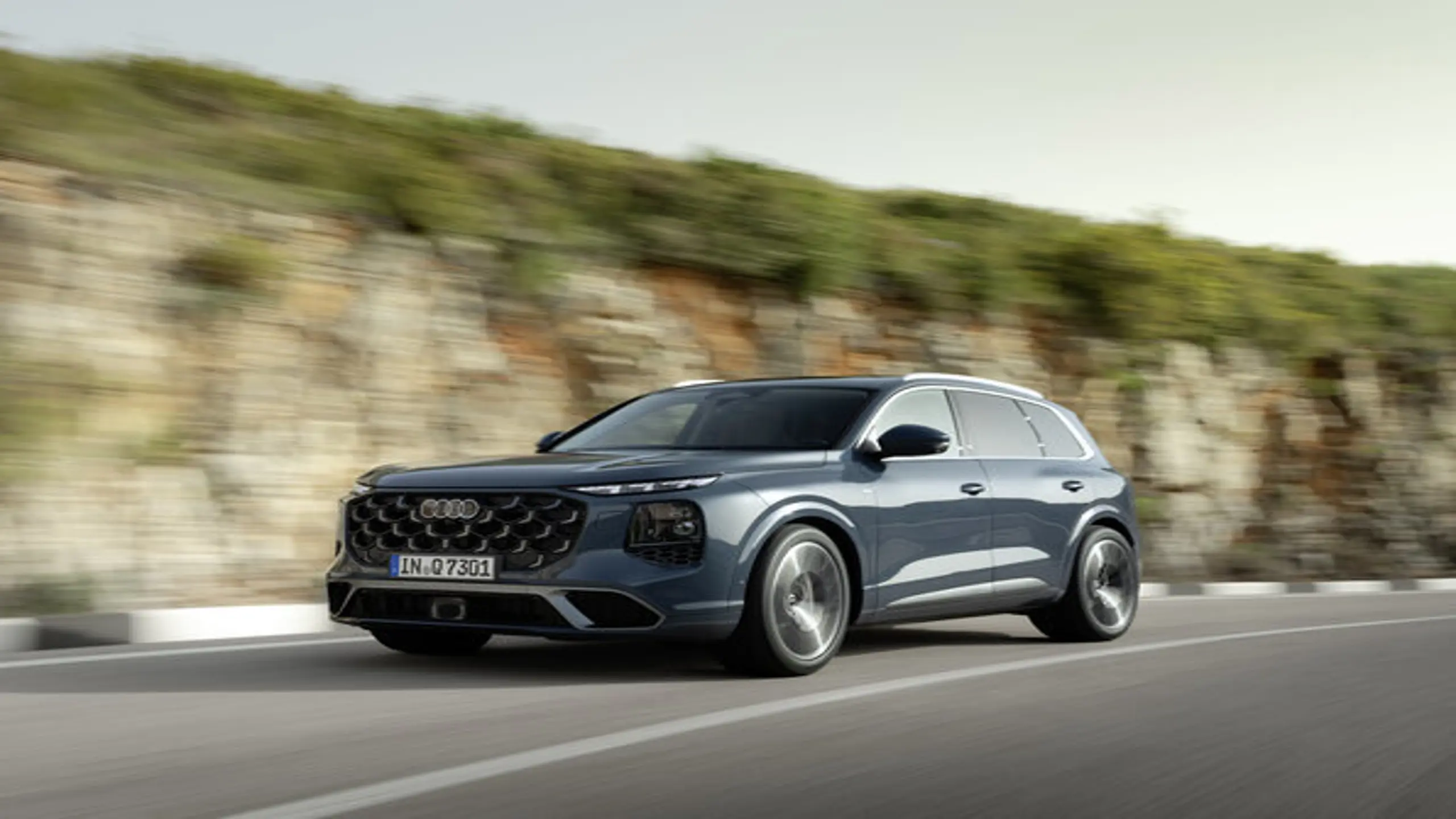
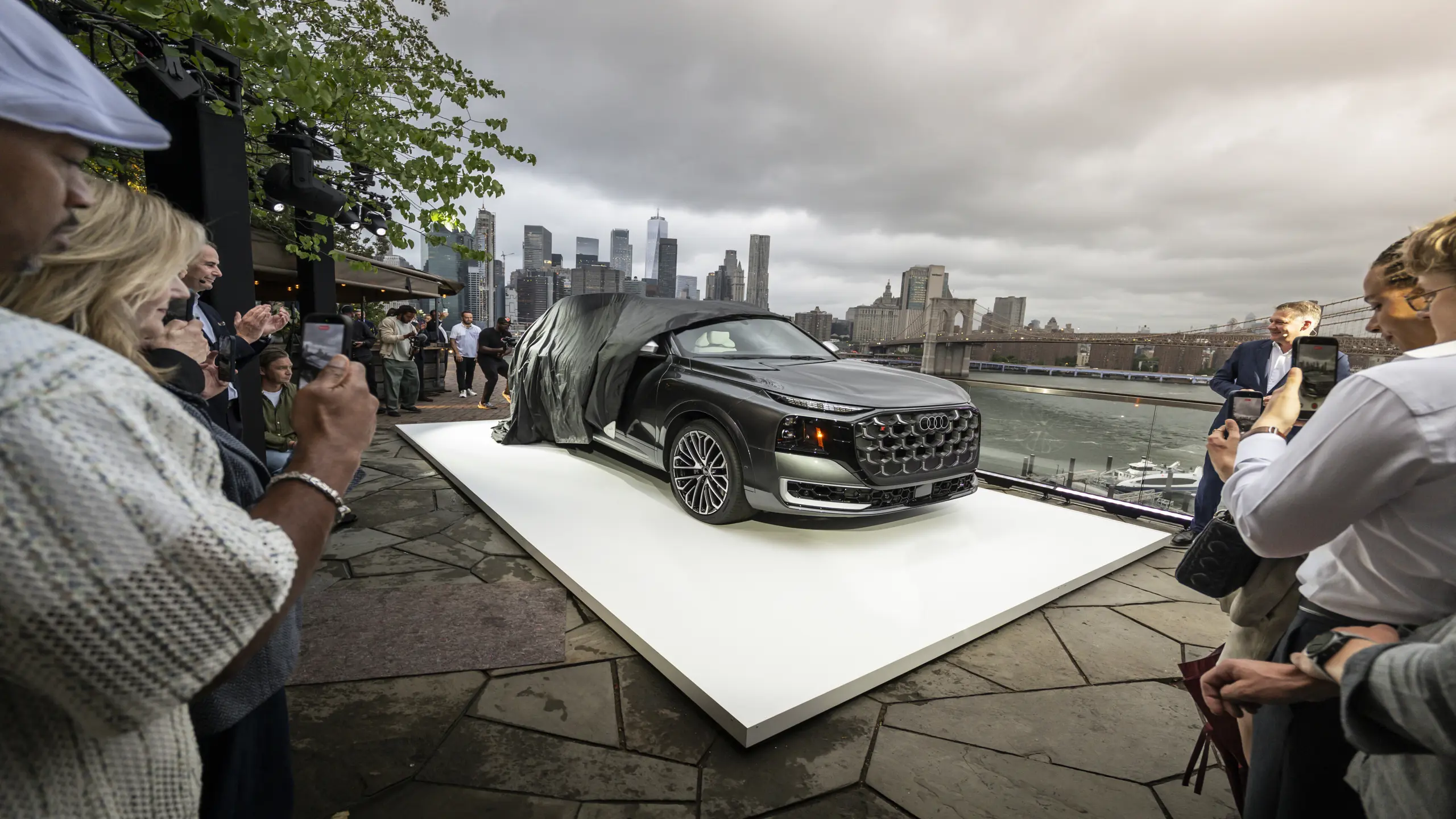
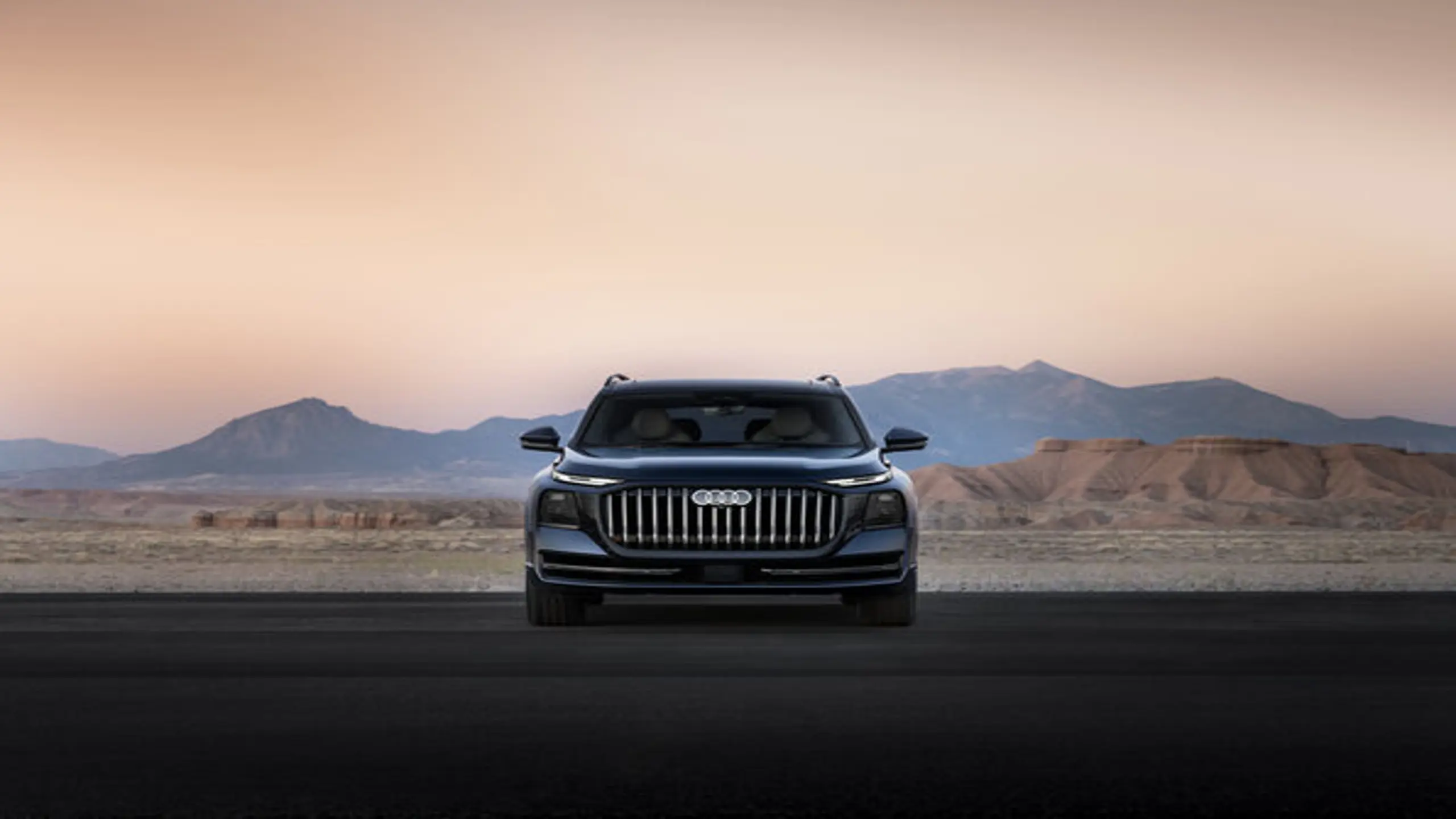
Within Audi's model hierarchy, numbers have always carried meaning. The assignment of the digit nine, used here for the first time in the Q family, is not a routine product decision but a deliberate signal: this is the top of the range, the fullest expression of what the brand believes a premium SUV should be in 2026. The Q9 arrives as the largest Audi ever built, measuring 5.31 metres in length with a wheelbase of 3.14 metres, and it does so with the quiet confidence of a car that has nothing left to prove about its position in the market. Prices start at 108,400 euros for the Q9 TDI 220 kW, with orders open from the end of July 2026 and first deliveries expected in November, the car is manufactured in Bratislava. The vision behind it is articulated clearly by CEO Gernot Döllner, who argues that Vorsprung durch Technik will increasingly be defined not by what a car can do on the road but by what it feels like to inhabit. For many customers, he observes, cars are becoming mobile living spaces, and the Q9 is Audi's most complete answer to that shift yet, combining genuine spaciousness, advanced technology and a powertrain architecture built around efficiency and immediacy in equal measure.
A Cabin Conceived as a Living Space
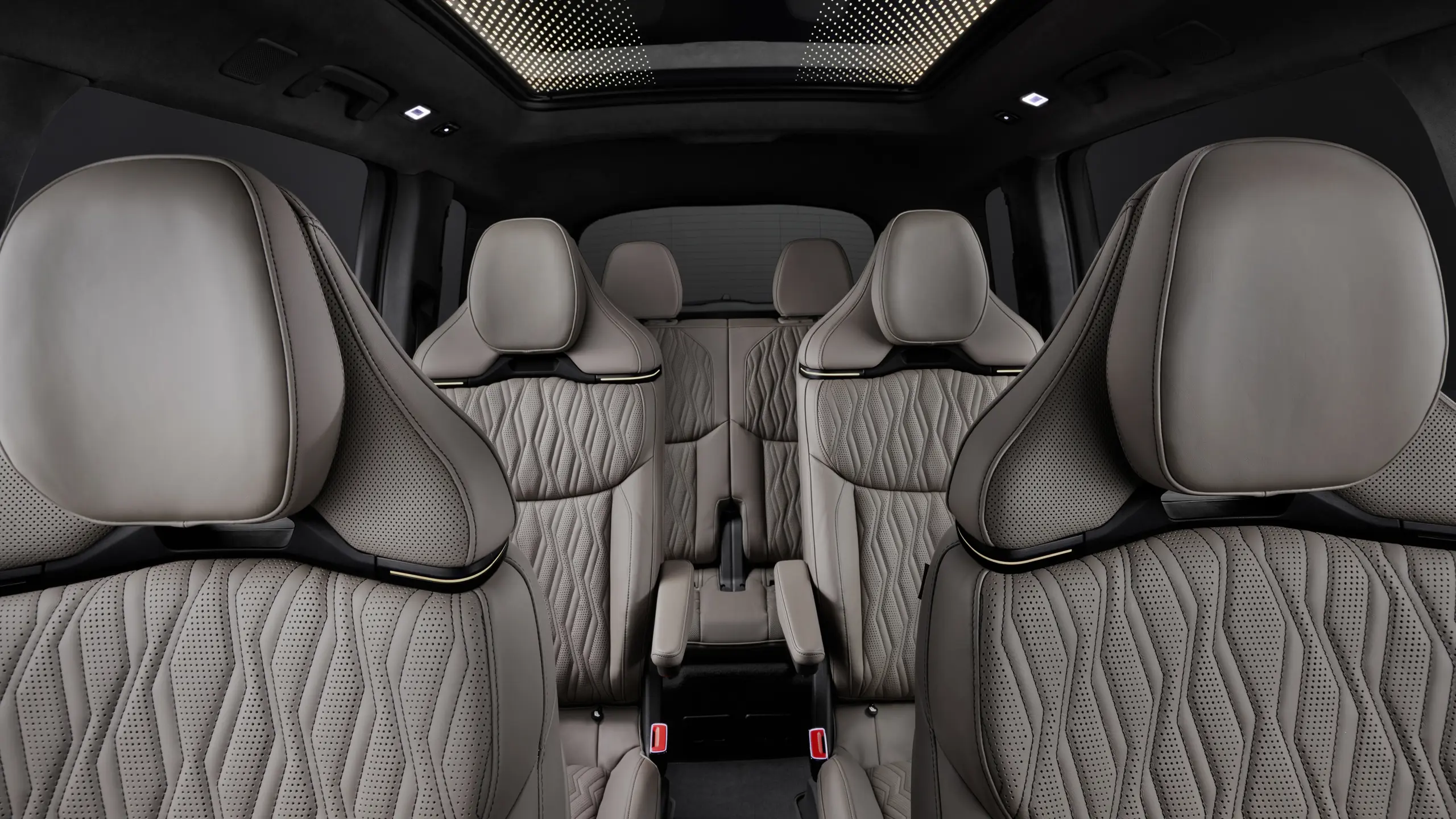
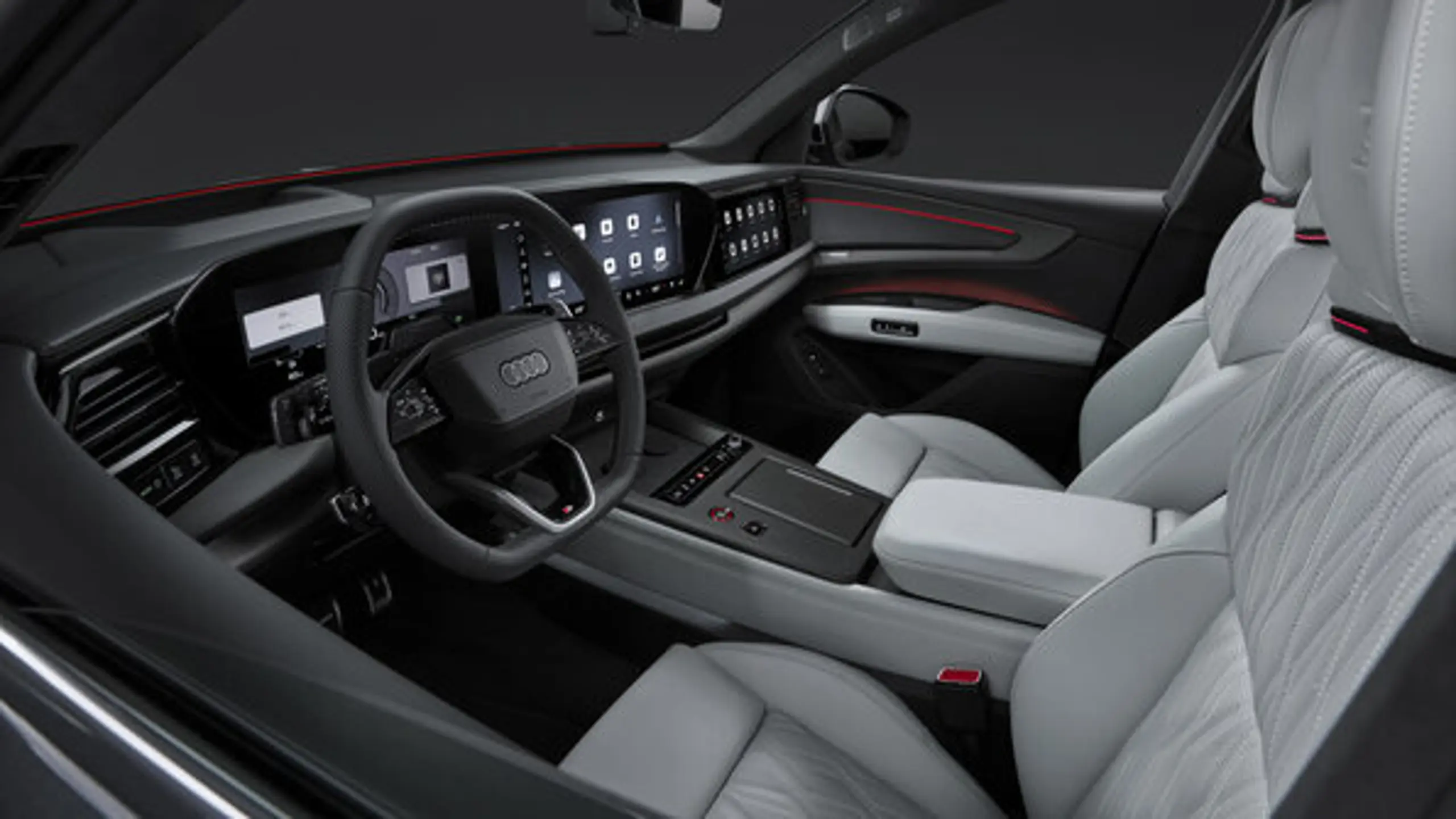
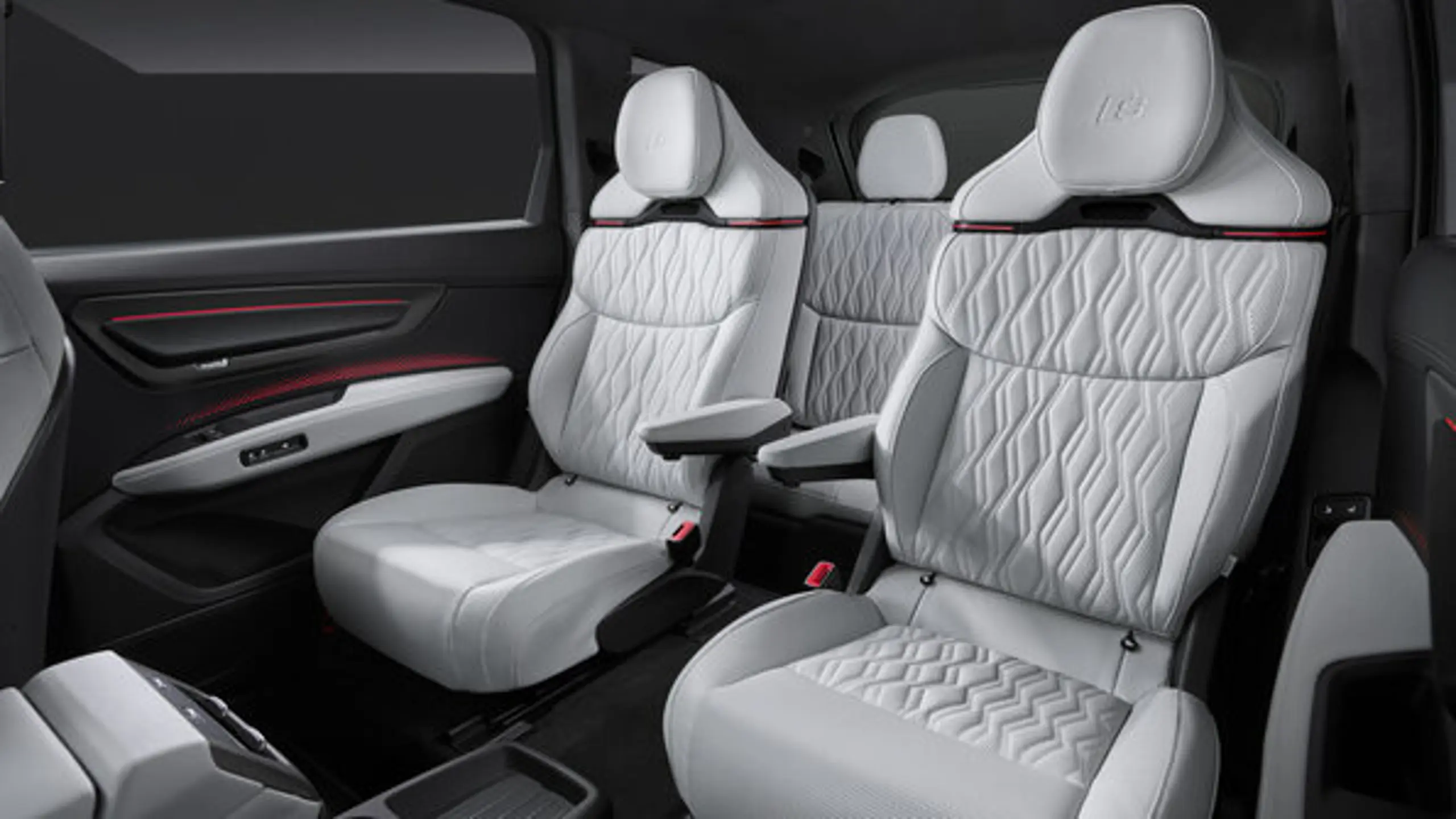
The interior of the Q9 makes good on that premise from the first moment of contact. Seven seats are fitted as standard, with all three second-row positions carrying Isofix-compliant mounting points for child seats, a detail that grounds the car's luxury in genuine usability. The optional six-seat configuration introduces individually electrically adjustable seats in the second row, each with optional heating, creating a business-class atmosphere that the Q9's proportions make genuinely credible. In the third row, each seatback folds at the push of a button; in the first row, the sports seat plus adds ventilation, heating and massage functions. Automatic doors, appearing on an Audi for the first time, open to a wide angle, halt automatically if an obstacle is detected, and close with an electric soft-close mechanism whose quietness registers immediately as a quality statement. The panoramic sunroof, fitted as standard and the largest ever installed in an Audi, covers more than 1.5 square metres of glass and can be opened, tilted or set to switchable transparency across nine individually controllable segments. In the top trim level, 84 LEDs illuminate it in one of 30 colours to match the cabin's ambient lighting programme, a detail that transforms the roof from a structural element into a mood-setting one. The Bang & Olufsen 4D sound system, running through 22 speakers at 1,360 watts total output, takes the experience further still: seat actuators in the front generate finely tuned vibrations that synchronise with the music, making sound something the occupants feel as much as hear. A continuous LED interaction light strip spans the full width of the interior, responding to music, navigation prompts and vehicle functions, light as both interface and atmosphere.
Light That Communicates, Technology That Anticipates
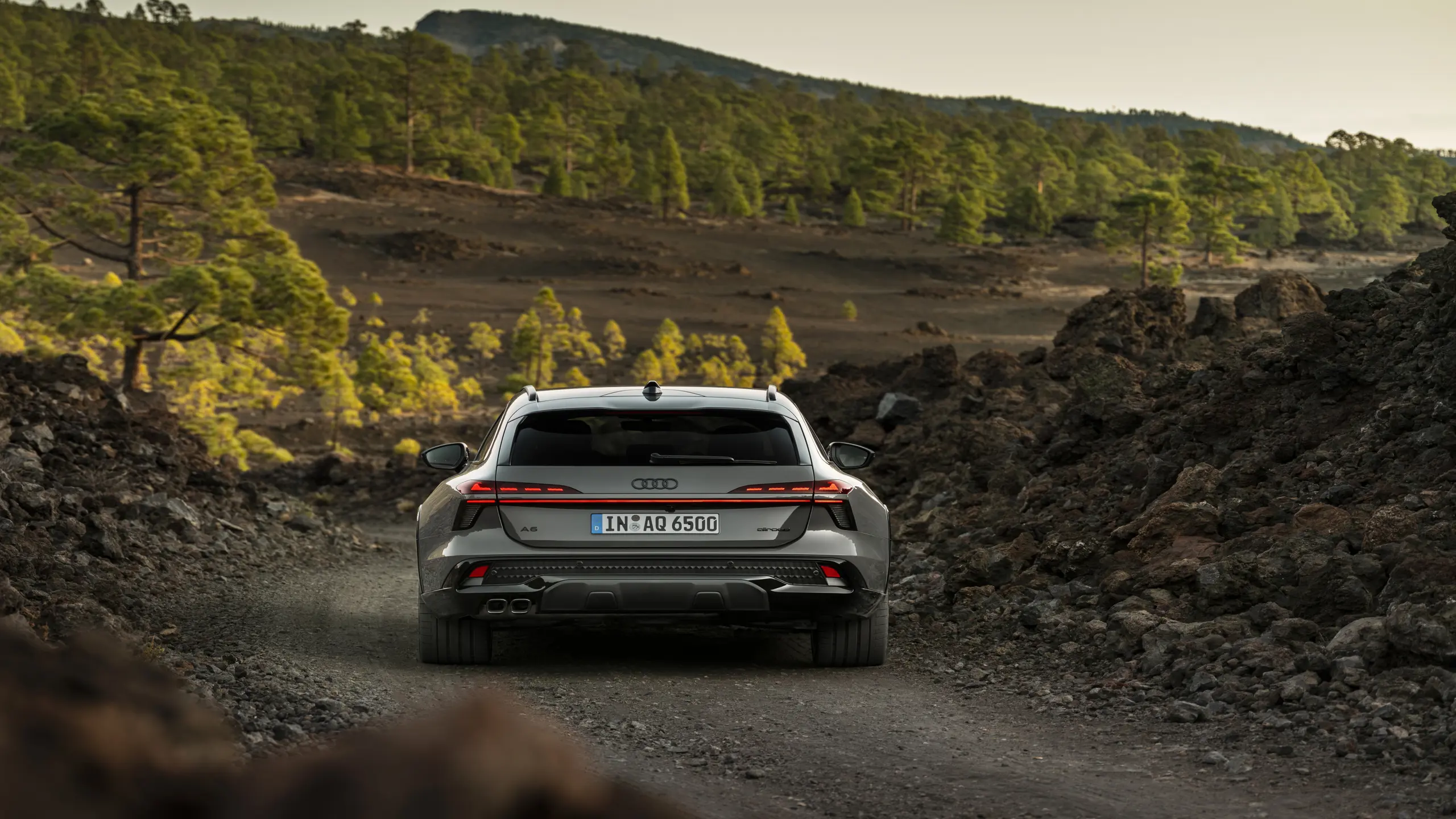
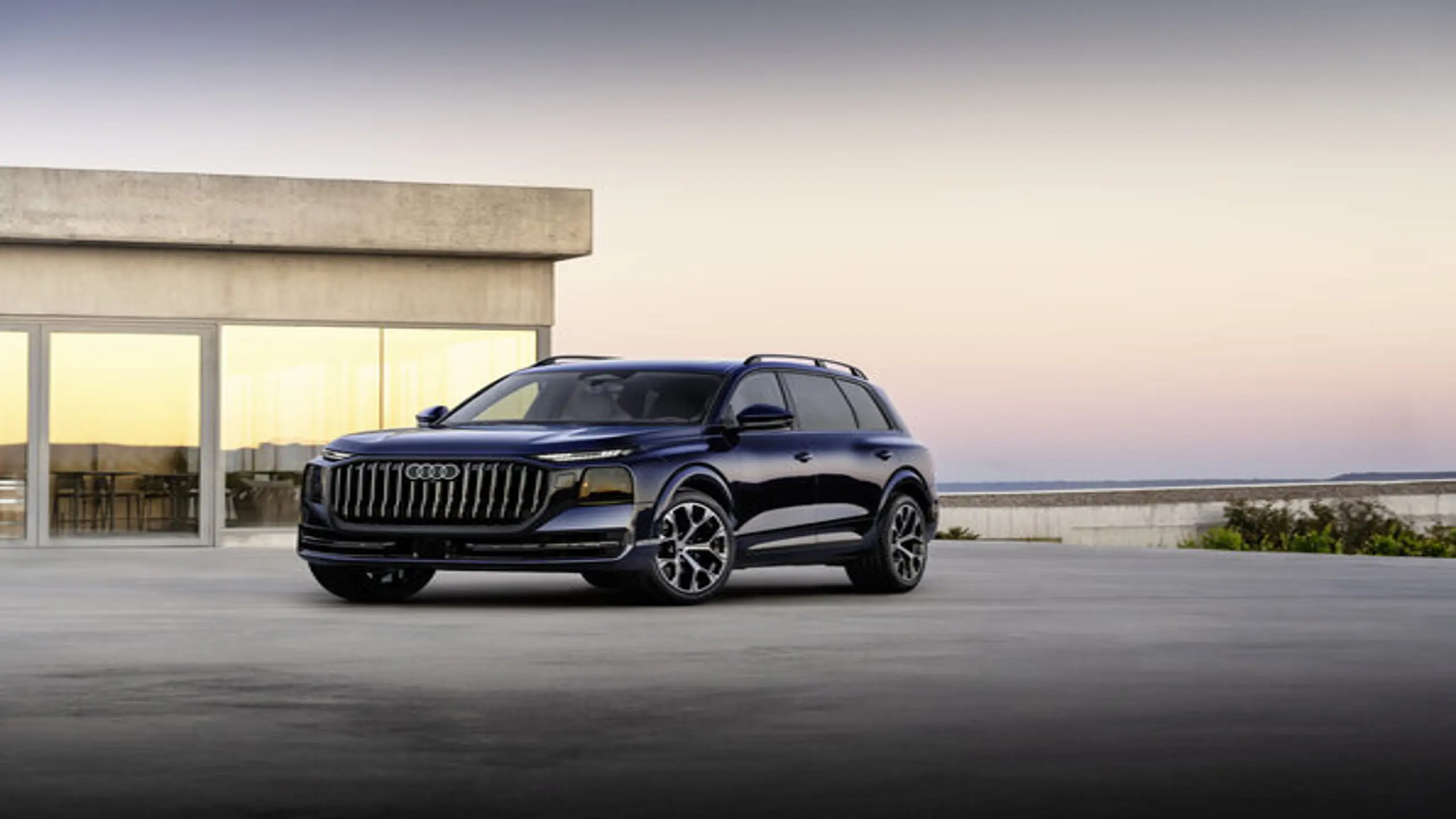
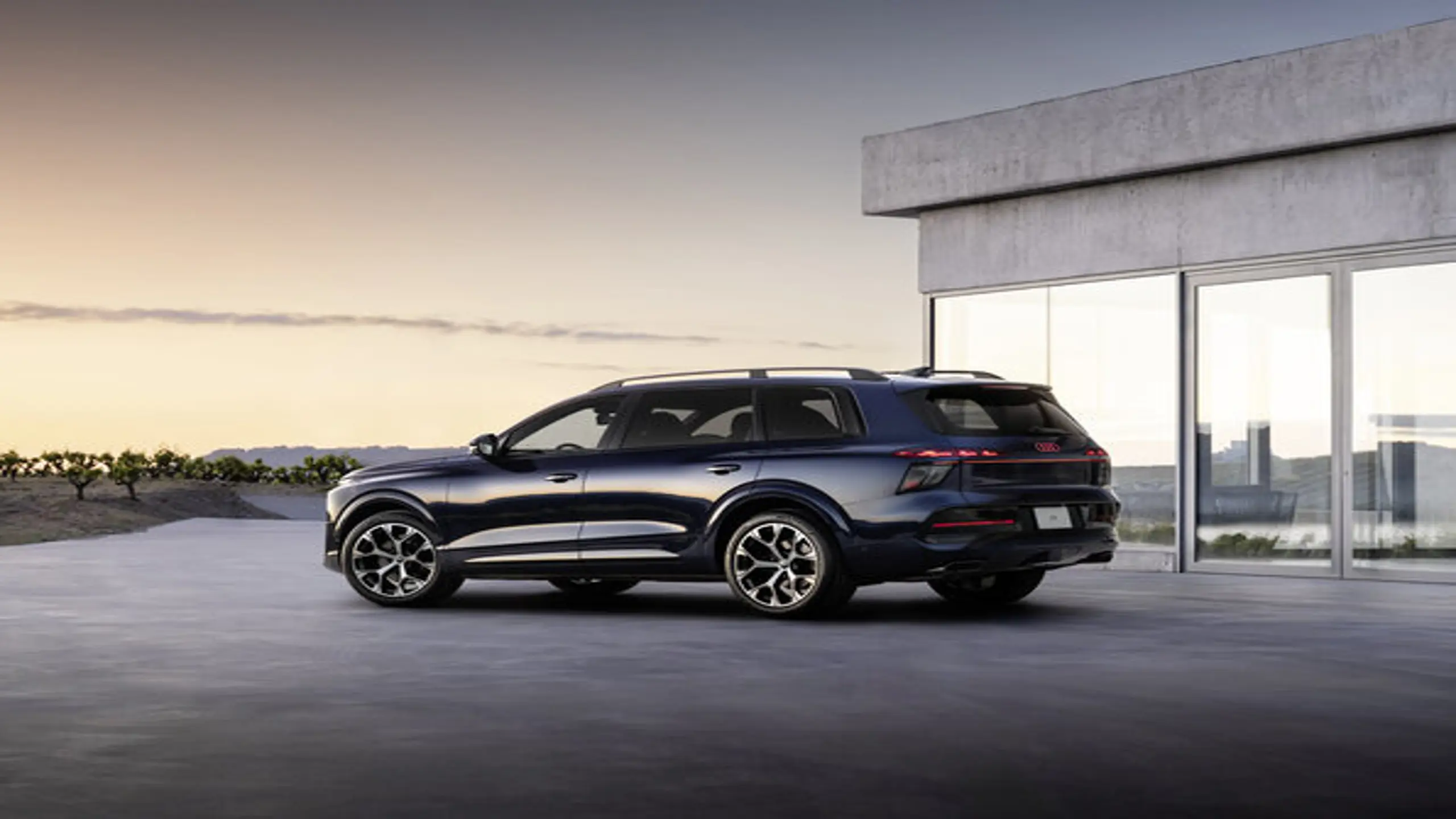
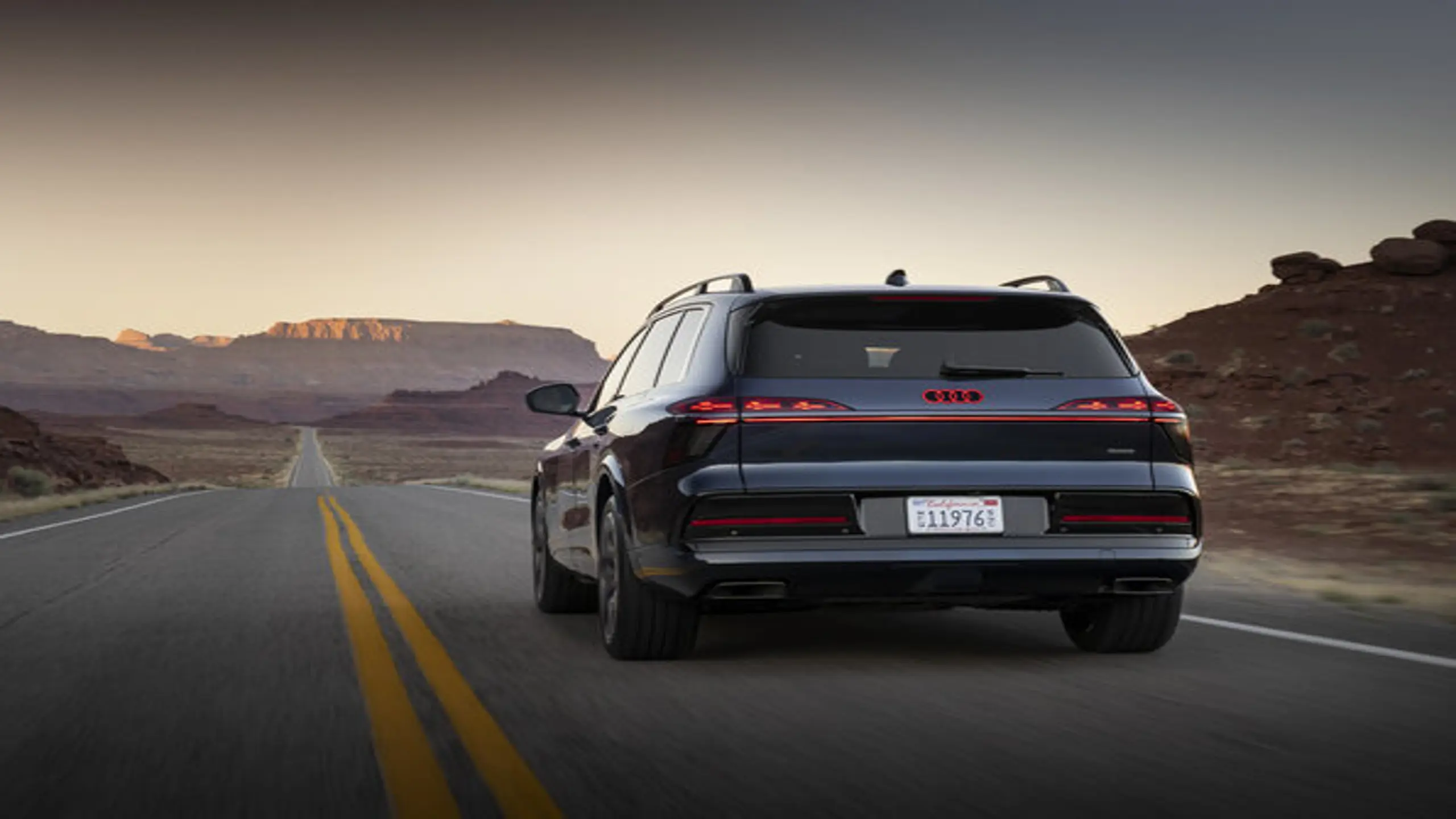
The Q9's lighting architecture is where its technical ambition is most visibly concentrated, and where it achieves something genuinely unprecedented. The third-generation digital OLED rear lights introduce the world's first curved digital OLED panels in a production vehicle, ultra-thin glass just 0.1 millimetres thick, shaped to follow the body's contours precisely across a total of 512 segments distributed across six large panels. The result is a rear light signature of unusual visual depth, visible from a wider angle than any flat panel could achieve and integrated into the bodywork with a seamlessness that makes the technology feel inevitable. Advanced turn signals project a stylised indicator onto the ground at night, synchronised with the dynamic signals front and rear, extending the car's communication with other road users into the space around it rather than merely onto its surfaces. The driver assistance architecture runs to comparable depth. Adaptive driving assistant plus offers hands-free partial automated driving at speeds up to 130 km/h on approved highway and Autobahn segments in Germany, the USA and Canada, the system monitoring eye position and head movement via a steering column camera, escalating warnings progressively if attention wanes, and bringing the car to a controlled stop via emergency assist if the driver fails to respond. The MMI panoramic display integrates a 12.3-inch Audi virtual cockpit, a 14.5-inch MMI touch display and a 12.3-inch passenger display with dynamic privacy mode, all running on Android Automotive OS with ChatGPT integration, the assistant routing general questions to the AI only when the vehicle's own systems cannot answer them, seamlessly and without requiring the driver to distinguish between the two.
299 PS, Quattro and the Engineering of Composure
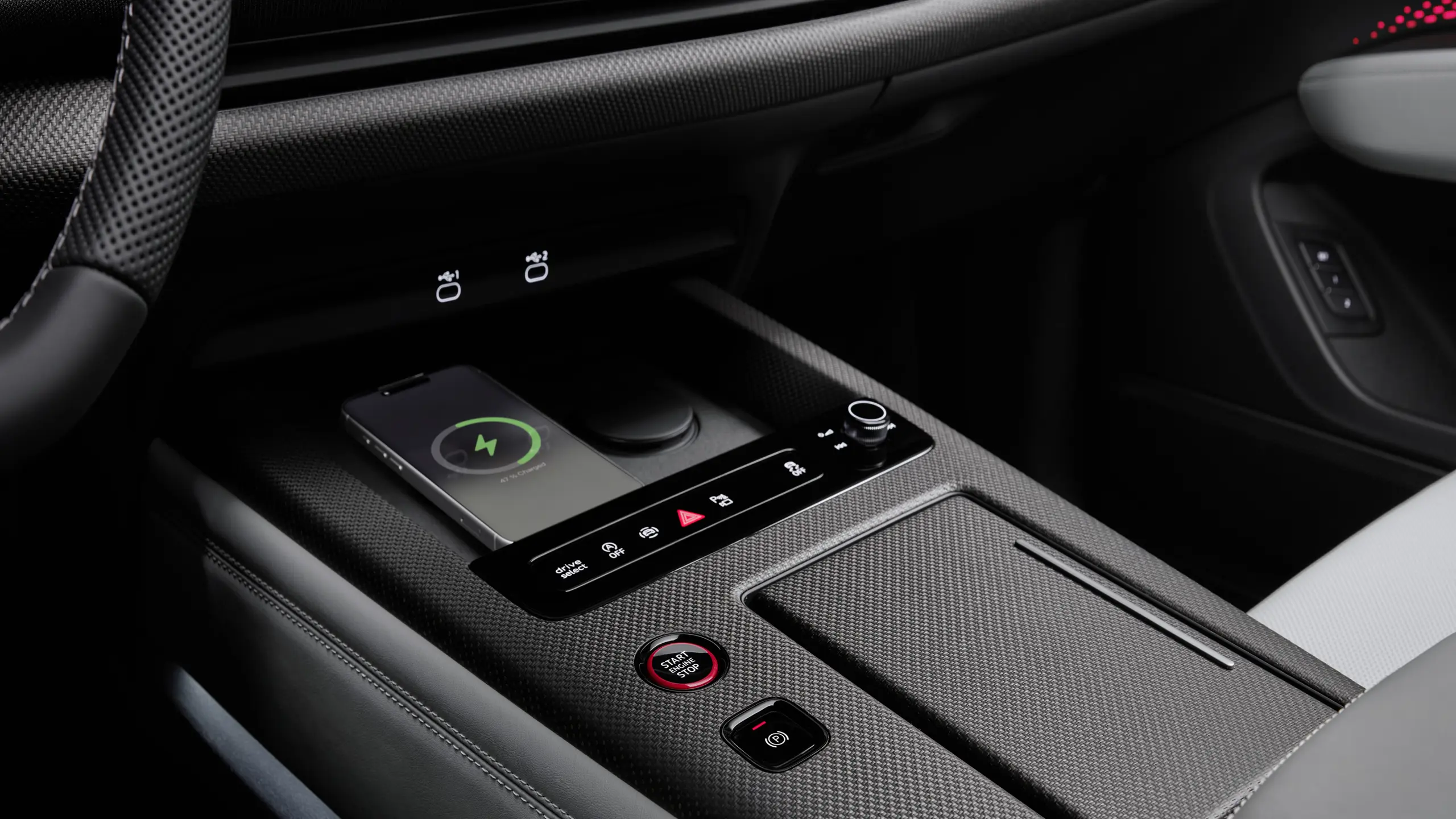
At launch, the Q9 is powered by a three-litre V6 diesel engine delivering 220 kW - 299 PS, and 630 Nm of torque, paired with an eight-speed tiptronic and permanent quattro all-wheel drive as standard. The MHEV plus system adds up to 18 kW of supplementary power from a powertrain generator during acceleration and overtaking, while an electric-powered compressor builds boost pressure of up to 3.6 bar in just 1.2 seconds for immediate throttle response from low engine speeds. A 180 kW variant delivering 500 Nm is also available in selected European markets. The chassis beneath this powertrain is built around adaptive air suspension with a total ride height adjustment range of 90 millimetres, working in combination with optional all-wheel steering that steers the rear wheels by up to five degrees, reducing the turning circle at low speeds and improving lane-change stability at highway speeds simultaneously. Front composite brake discs measure 400 millimetres; the rear discs 350 millimetres, managed by a six-piston fixed caliper. Seven drive select modes span the range from long-distance comfort to dynamic engagement, with the system capable of selecting the appropriate mode automatically based on road conditions. It is a chassis that never asks its driver to choose between composure and confidence, because it has been engineered to provide both without negotiation, and in a car of this size and ambition, that is perhaps the most honest measure of what the number nine was always meant to represent.