A New Chapter for the Prancing Horse
With the unveiling of the Ferrari Luce in Rome, Ferrari has entered one of the most significant transitions in its modern history. Yet the Luce is not presented as a replacement for the marque’s combustion-engine legacy, nor as a symbolic exercise in electrification. Instead, Ferrari positions it as an entirely new interpretation of what a Ferrari can become when unrestricted by traditional architecture. The setting itself carried deliberate symbolism. Nearly eight decades after the Ferrari 125 S secured the marque’s first victory in Rome, the Luce arrives as another foundational moment, one that expands Ferrari’s identity rather than abandons it. The project forms part of Maranello’s broader multi-energy philosophy, where electric, hybrid and combustion platforms coexist as parallel expressions of performance rather than competing ideologies. What makes the Luce particularly significant is the way Ferrari approaches electrification as an opportunity for reinvention beyond the powertrain itself. The all-electric platform enables new spatial proportions, a radically different driving architecture and an unprecedented level of usability for the brand. In doing so, Ferrari introduces not simply an electric supercar, but a new luxury performance category shaped around clarity, engagement and emotional intelligence.
Simplicity as a Luxury Statement
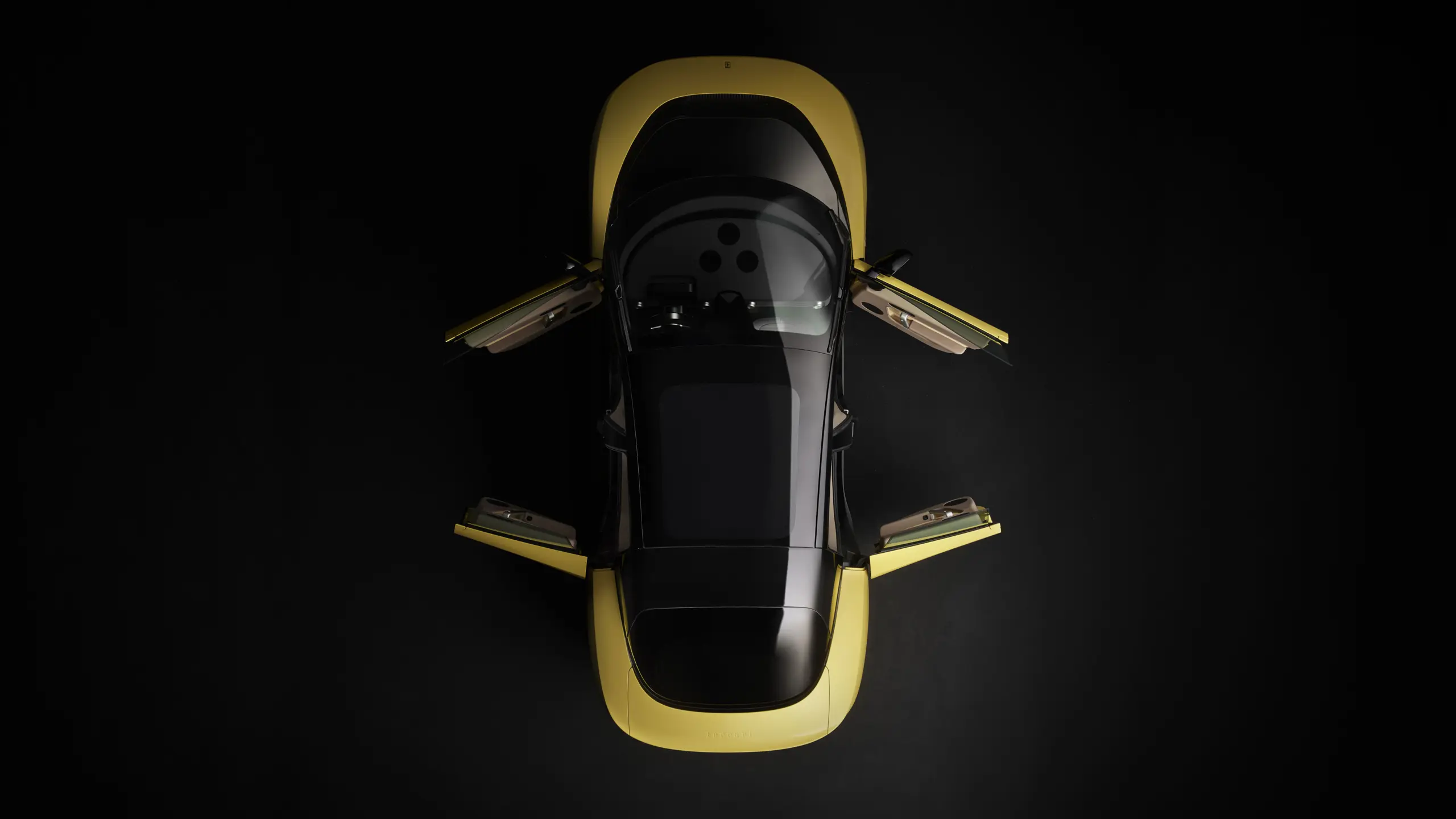
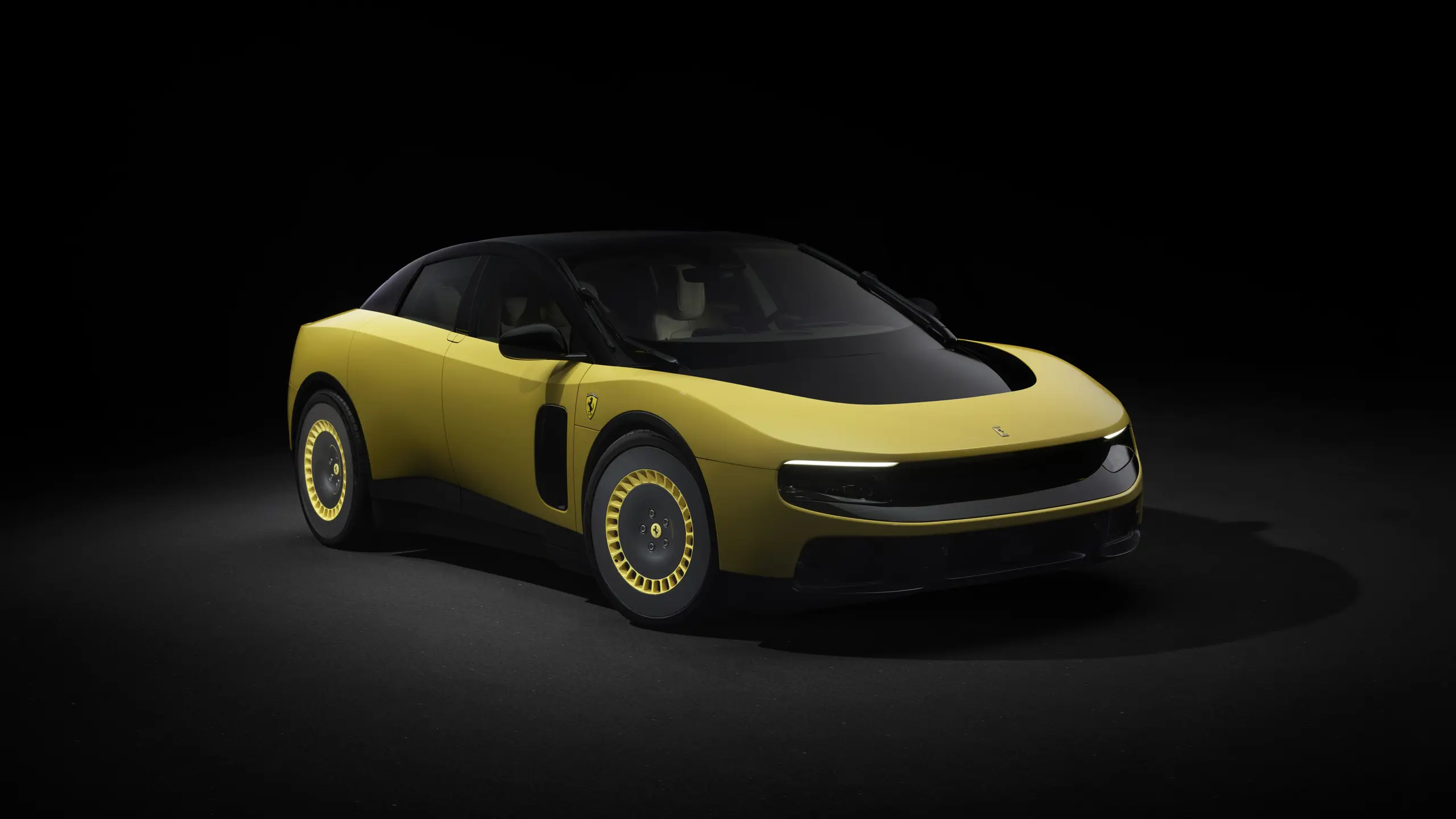
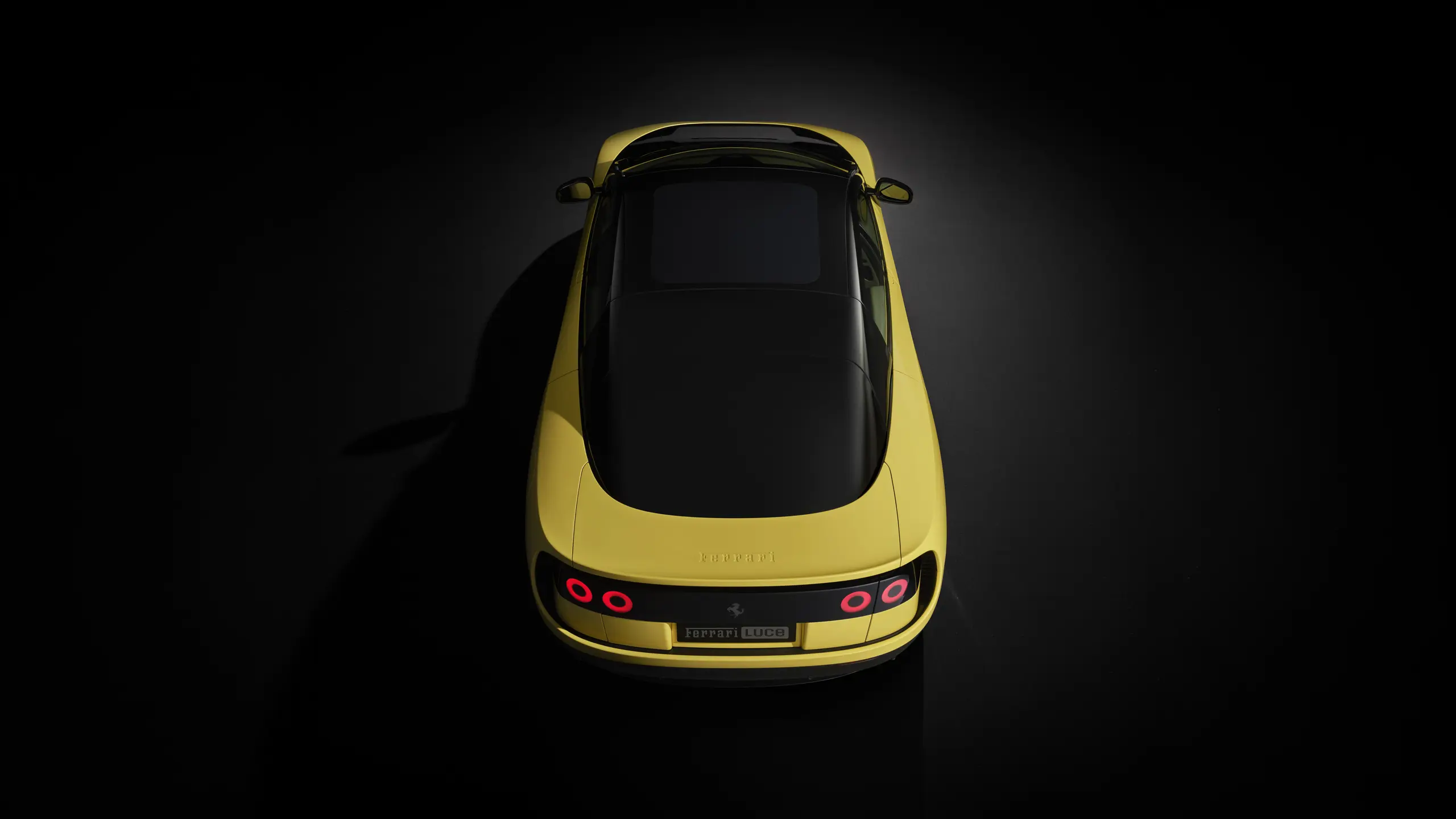
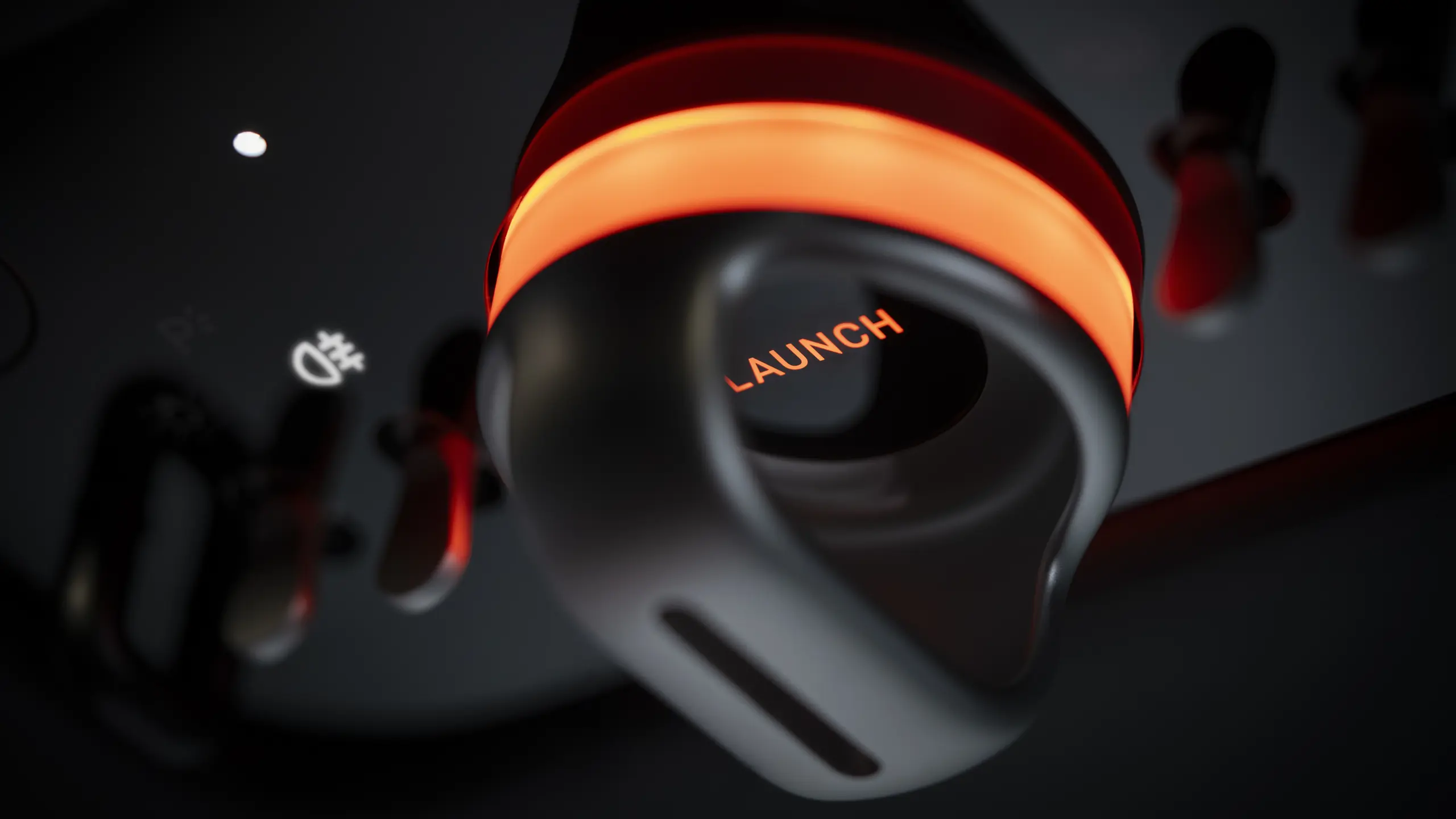
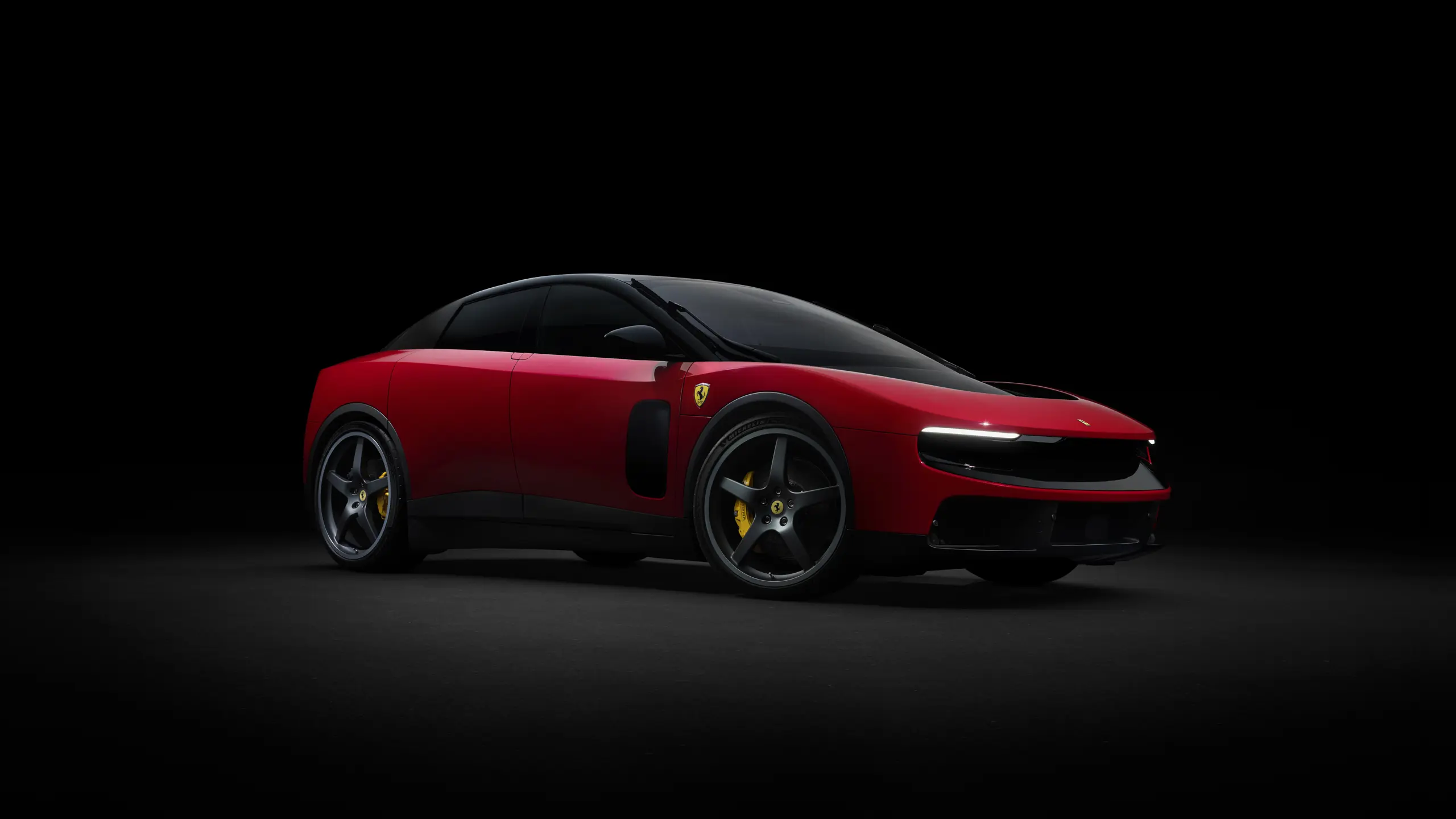
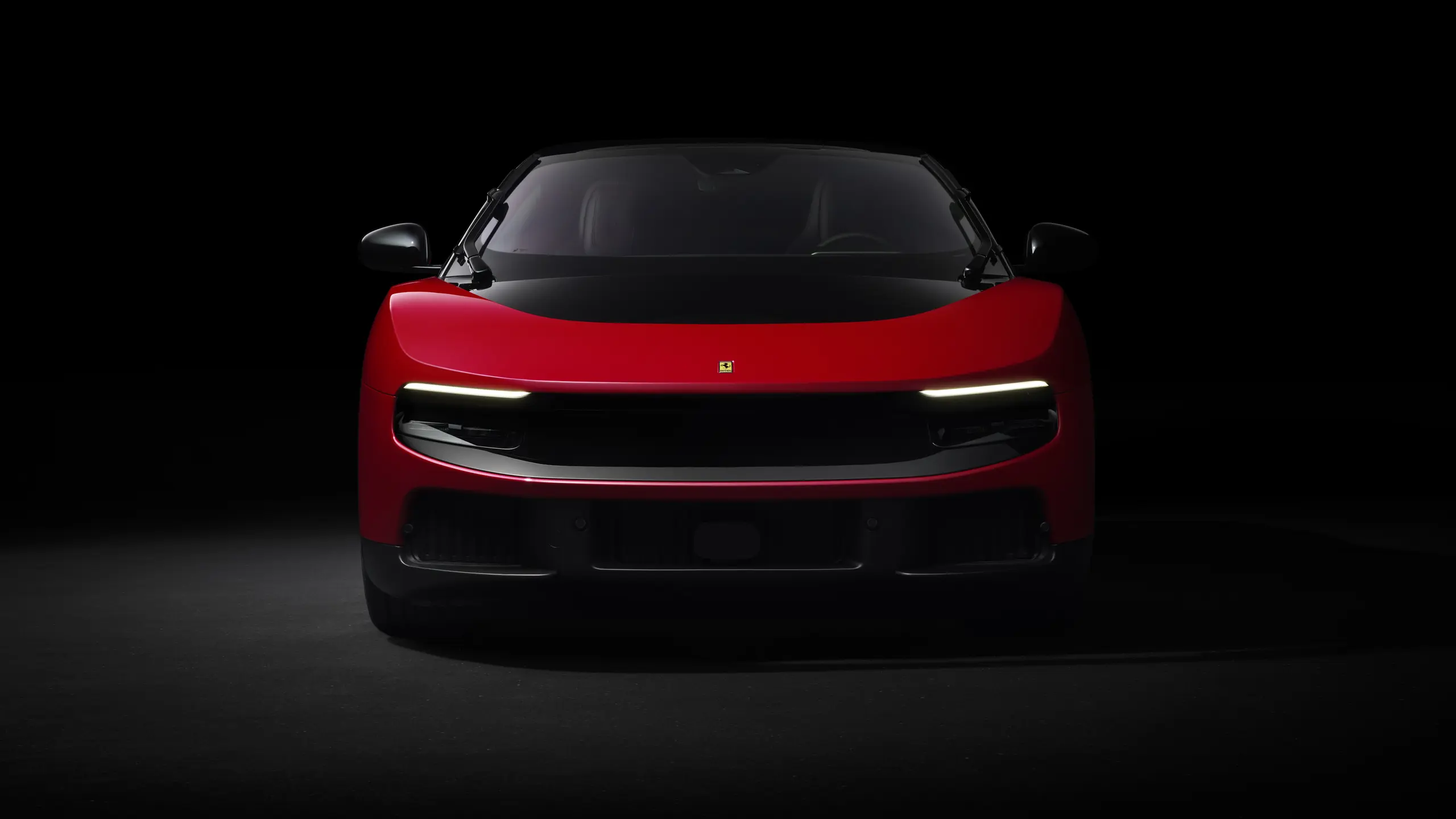
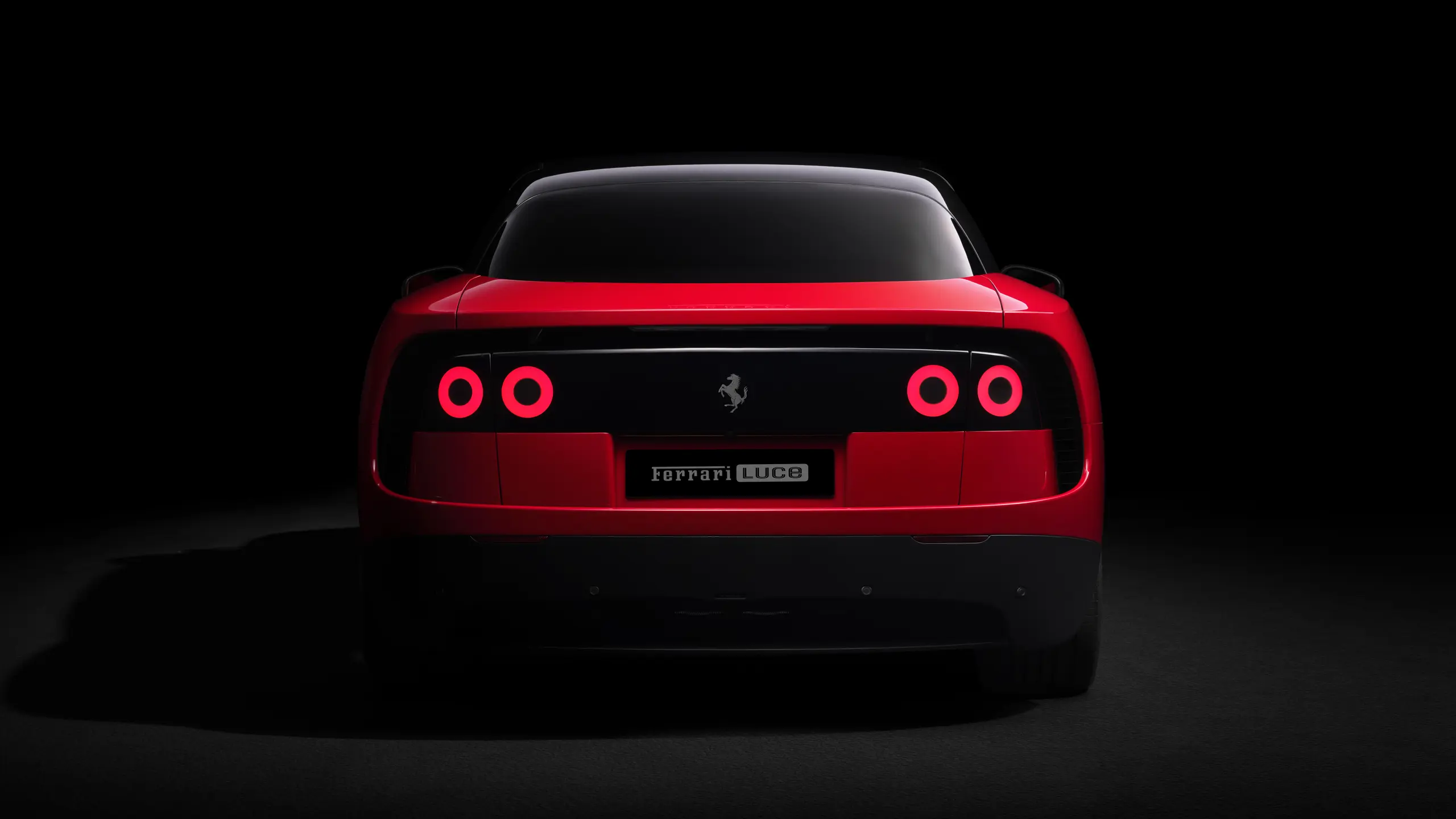
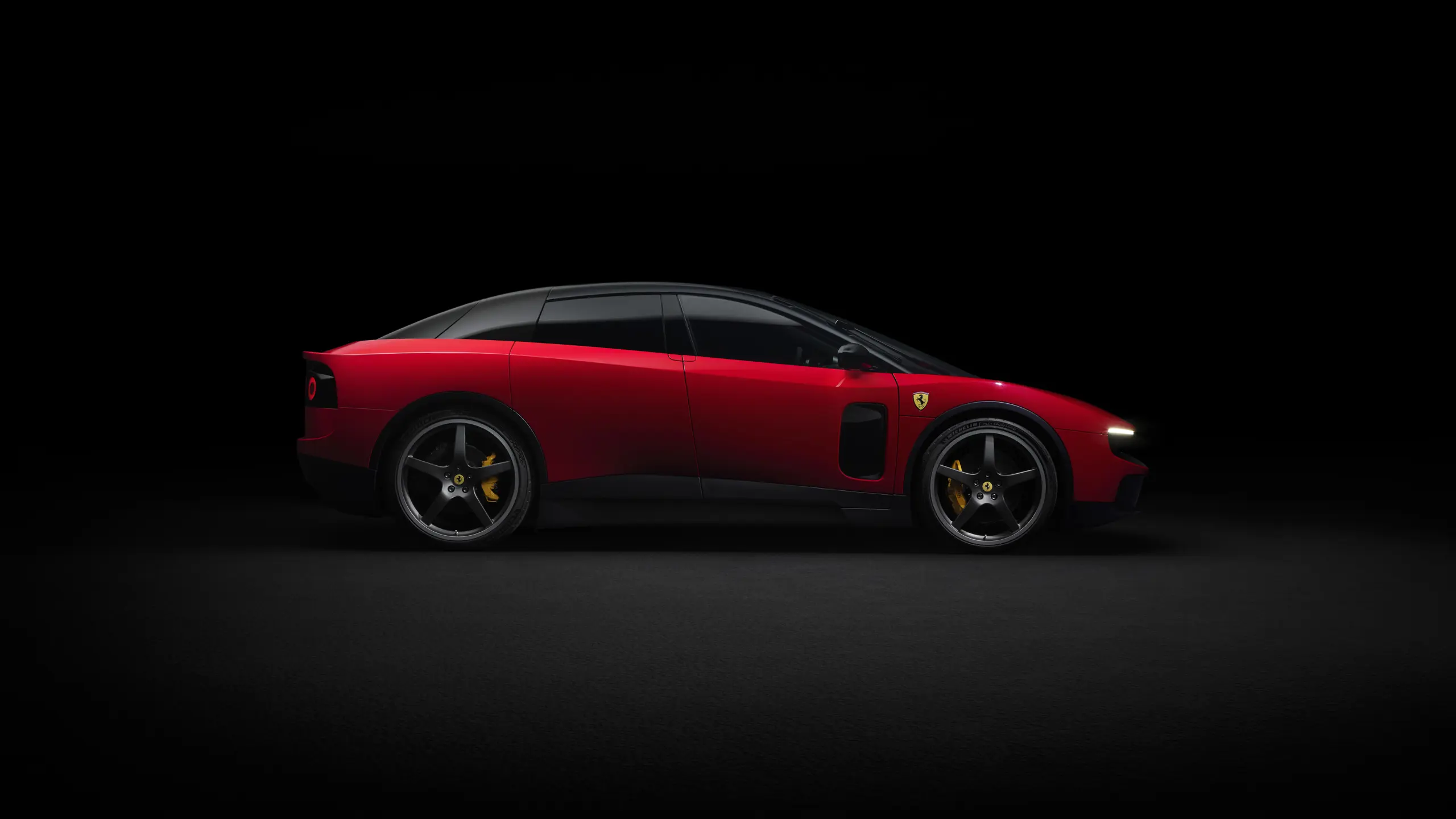
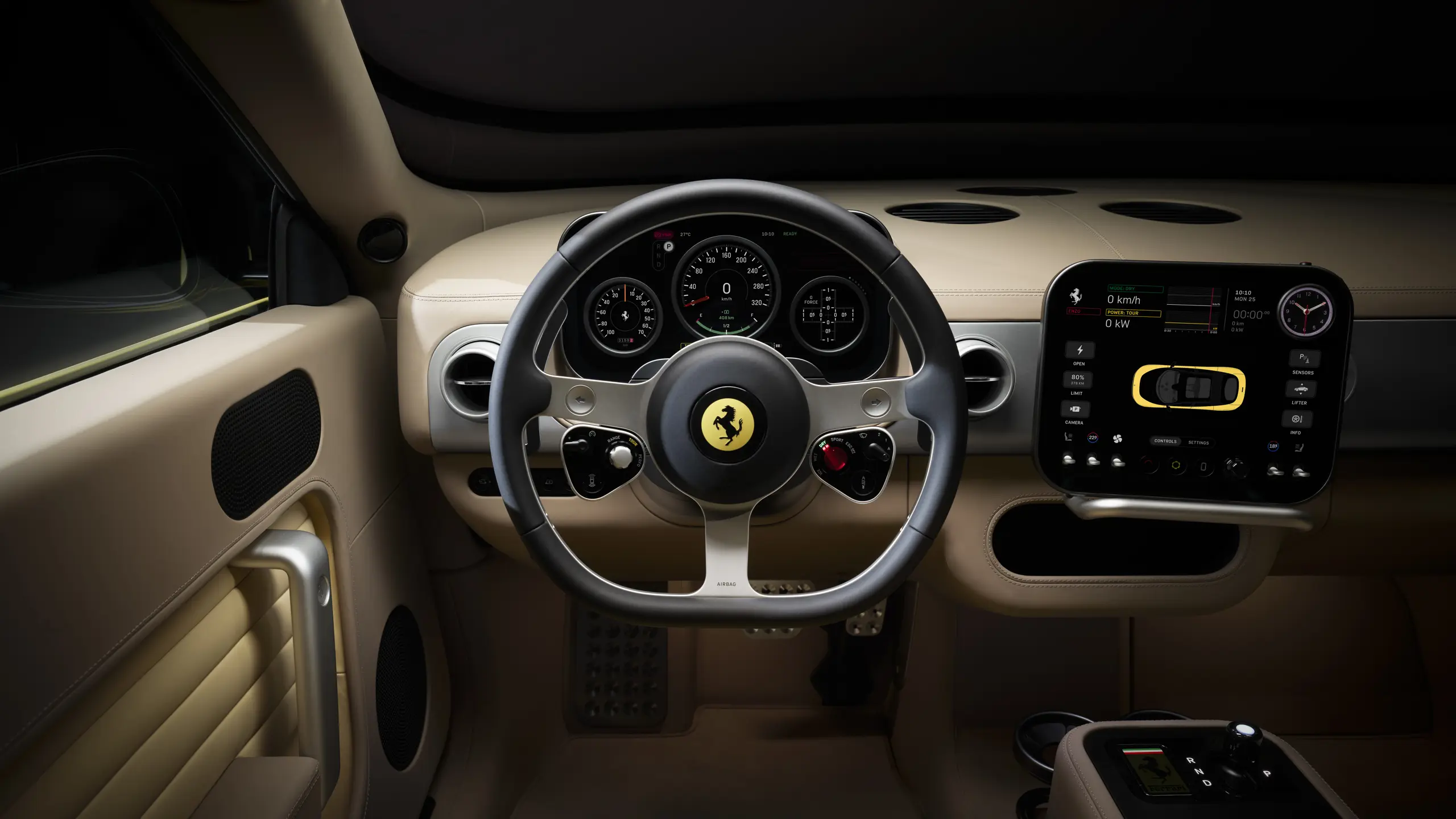
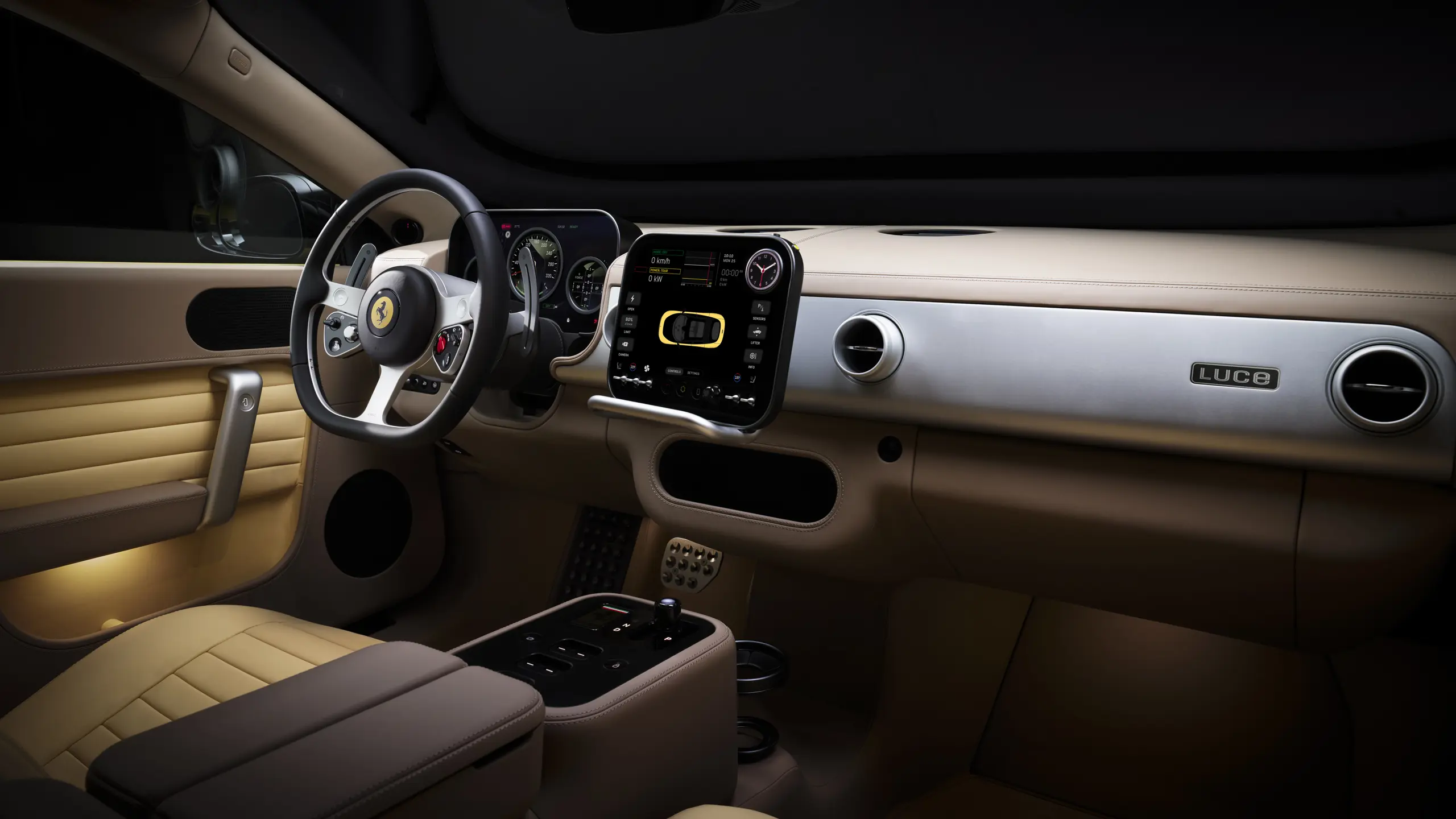
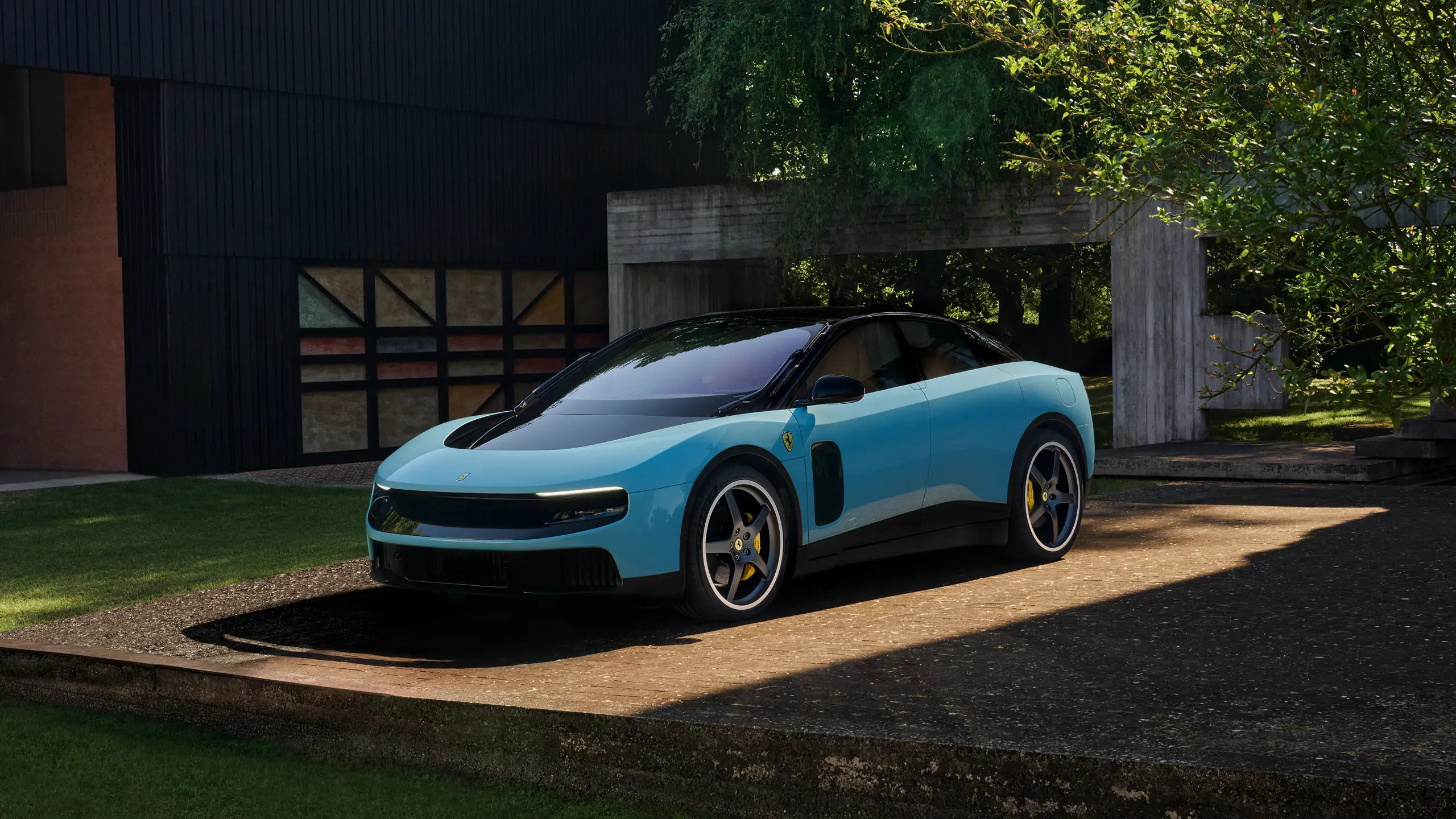
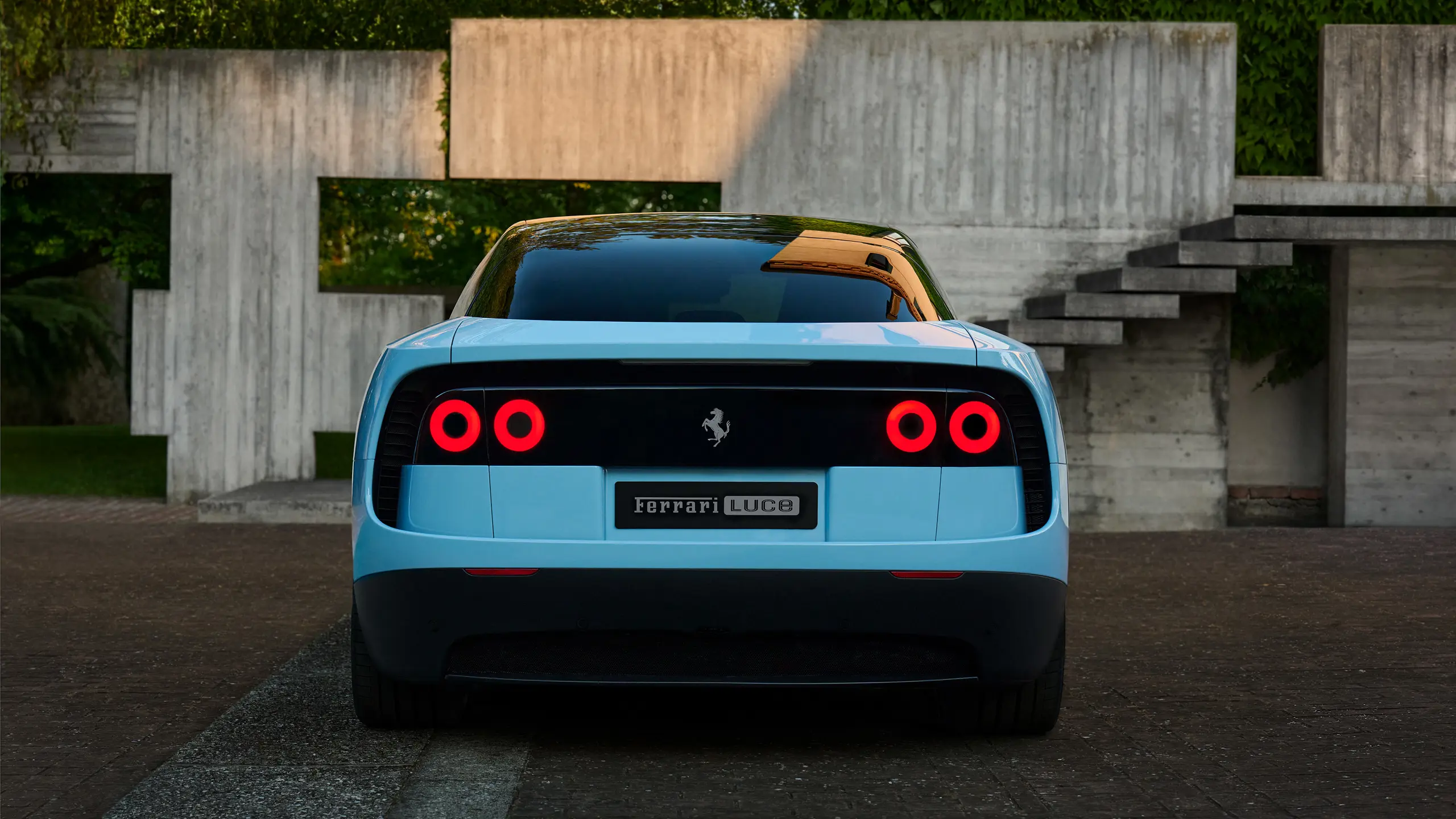
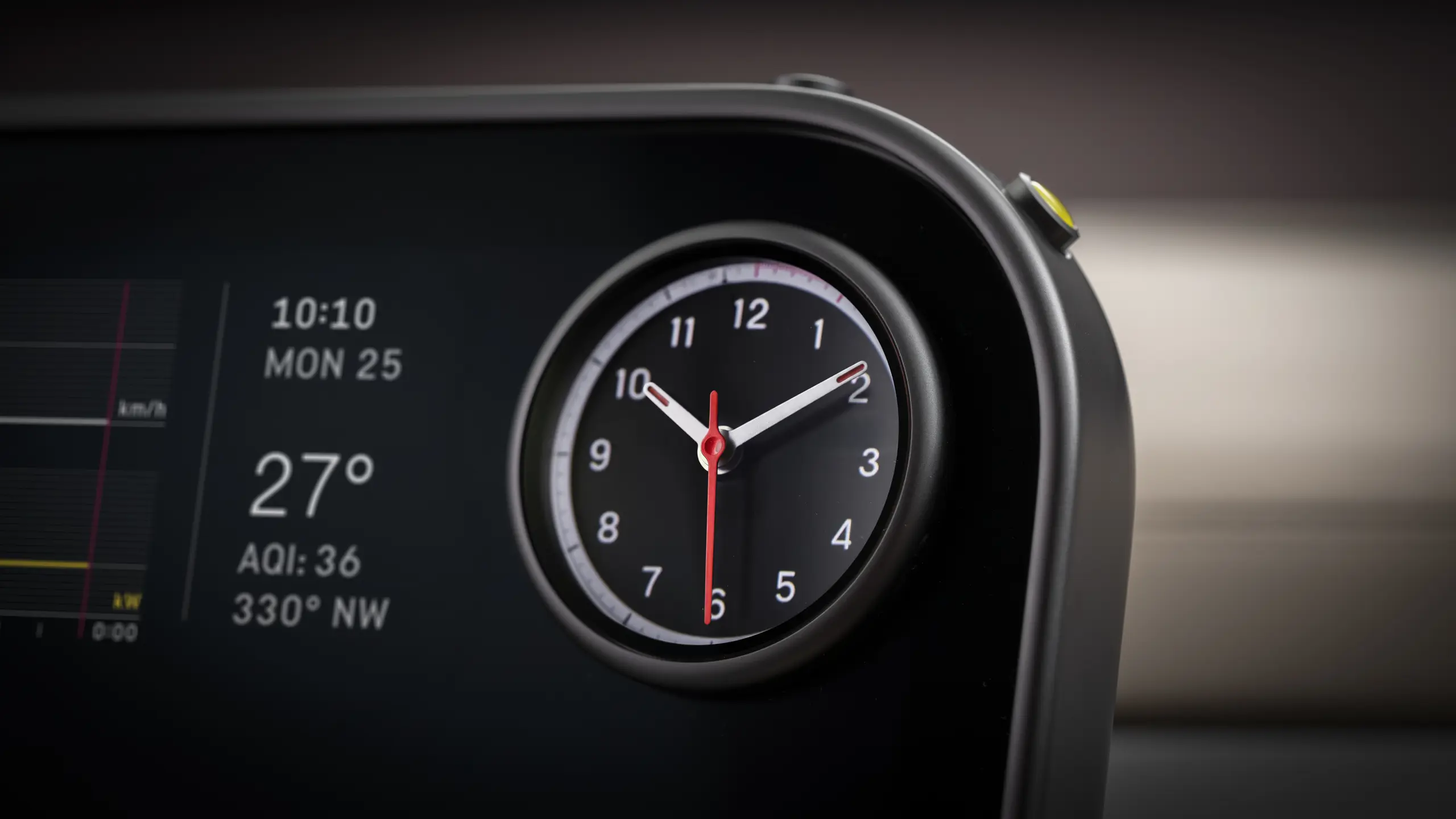
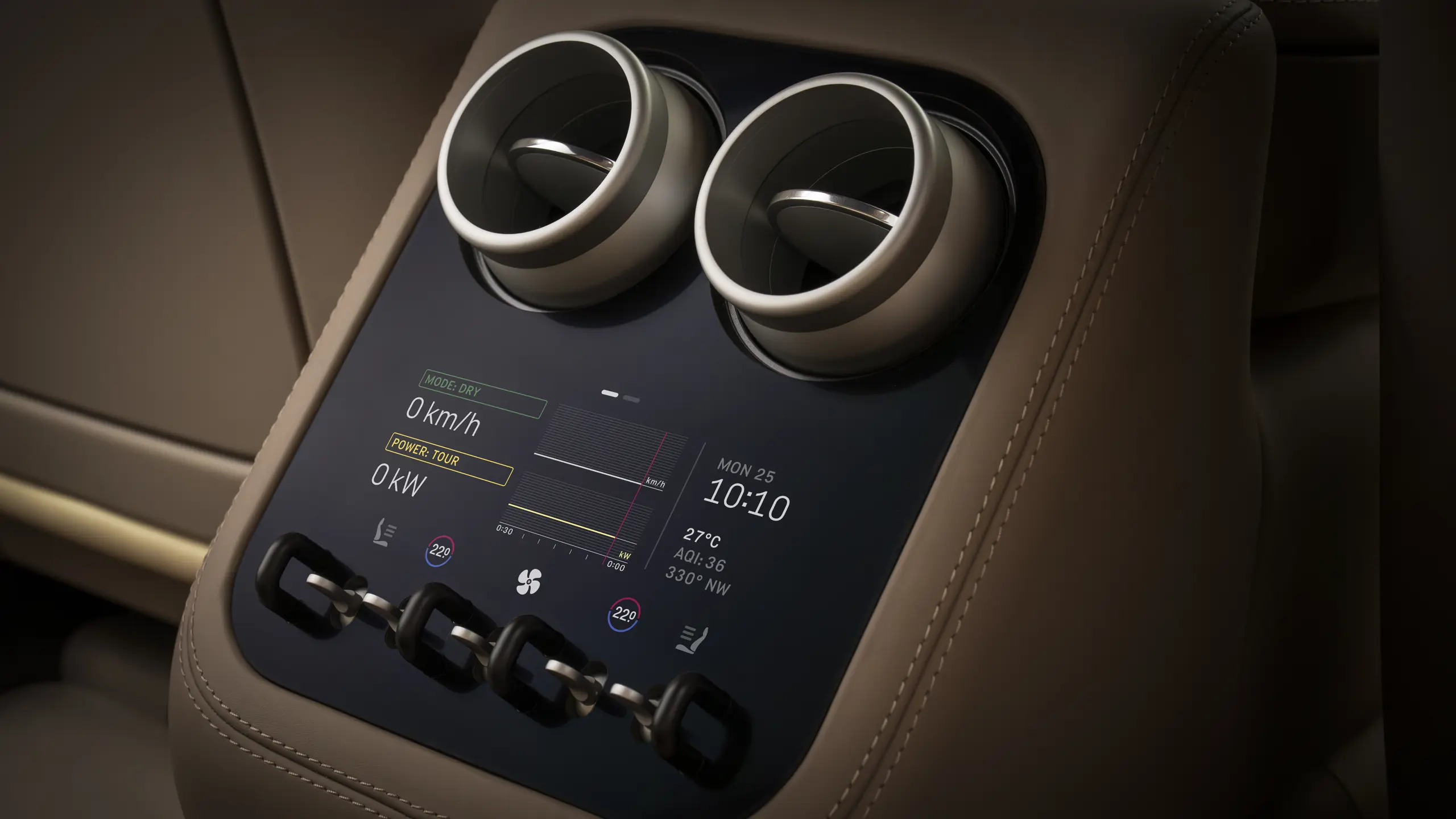
For the first time in its history, Ferrari entrusted the conceptual design direction of a production vehicle to an external creative collective. The project was developed in collaboration with LoveFrom, led by Jony Ive and Marc Newson, introducing a distinctly different perspective to Maranello’s design language. The result is a car defined not by visual aggression, but by reduction and purity. The Luce’s most striking element is its uninterrupted glass house, a shell-like structure extending below the beltline with remarkable architectural confidence. Floating aerodynamic wings surround the silhouette rather than interrupting it, allowing airflow and proportion to shape the car’s identity instead of excessive surface detailing. Inside, the same philosophy continues with unusual discipline. The cabin feels closer to a contemporary luxury interior object than a traditional performance cockpit, combining tactile analogue controls with carefully integrated digital systems. Precision-machined aluminium switches, glass surfaces and minimalist interfaces create a sense of calm sophistication rarely associated with high-performance electric vehicles. Every detail appears intentionally simplified, yet never sterile, a balance that gives the Luce a distinctly modern form of luxury.
Four Electric Motors and the Reinvention of Ferrari Dynamics
Beneath its restrained design language, the Ferrari Luce introduces one of the most technically ambitious platforms ever developed by Ferrari. Built around a dedicated electric architecture with four independently controlled motors, the Luce produces over 1,050 horsepower while achieving performance figures that firmly place it within the upper tier of modern hyper-performance vehicles. More significant than the numbers, however, is the sophistication of the dynamic system itself. Each wheel operates with its own traction, steering and vertical-motion control, allowing the car to continuously adapt torque distribution and suspension behaviour in real time. Ferrari’s new Vehicle Control Unit processes these interactions hundreds of times per second, creating a level of fluidity and precision designed to feel intuitive rather than artificial. The challenge for Ferrari was not simply achieving acceleration, but preserving emotional engagement within an electric platform. To address this, the Luce introduces a proprietary torque-management system operated through tactile steering-wheel paddles, allowing the driver to progressively build acceleration rather than experience the abrupt delivery typical of many electric vehicles. Equally distinctive is Ferrari’s approach to sound. Instead of artificial simulation, vibrations from the drivetrain are captured, refined and amplified into an authentic acoustic layer that evolves with driver input, preserving a mechanical sense of connection between car and driver.
The Future of Ferrari Through Space, Emotion and Presence
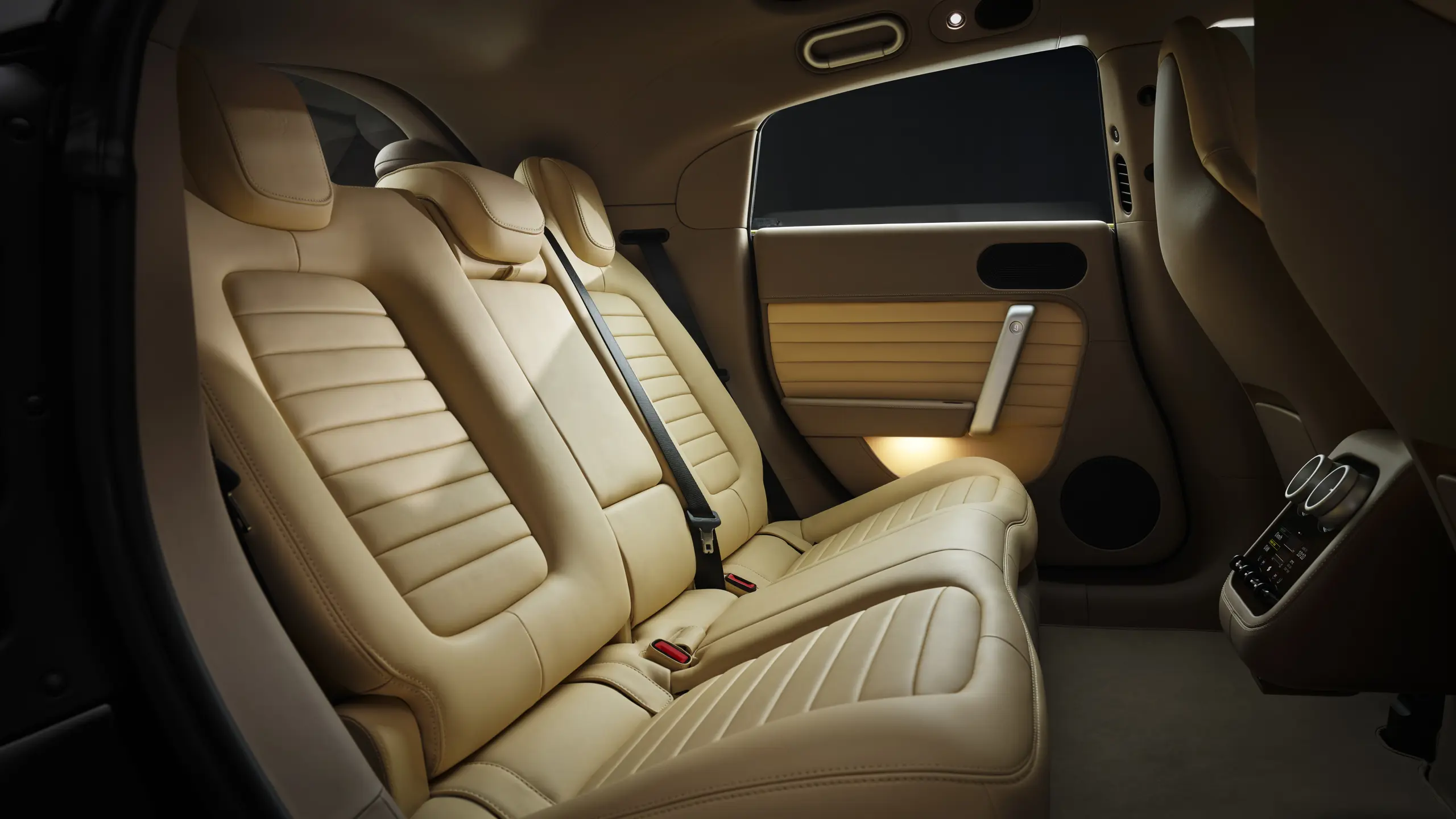
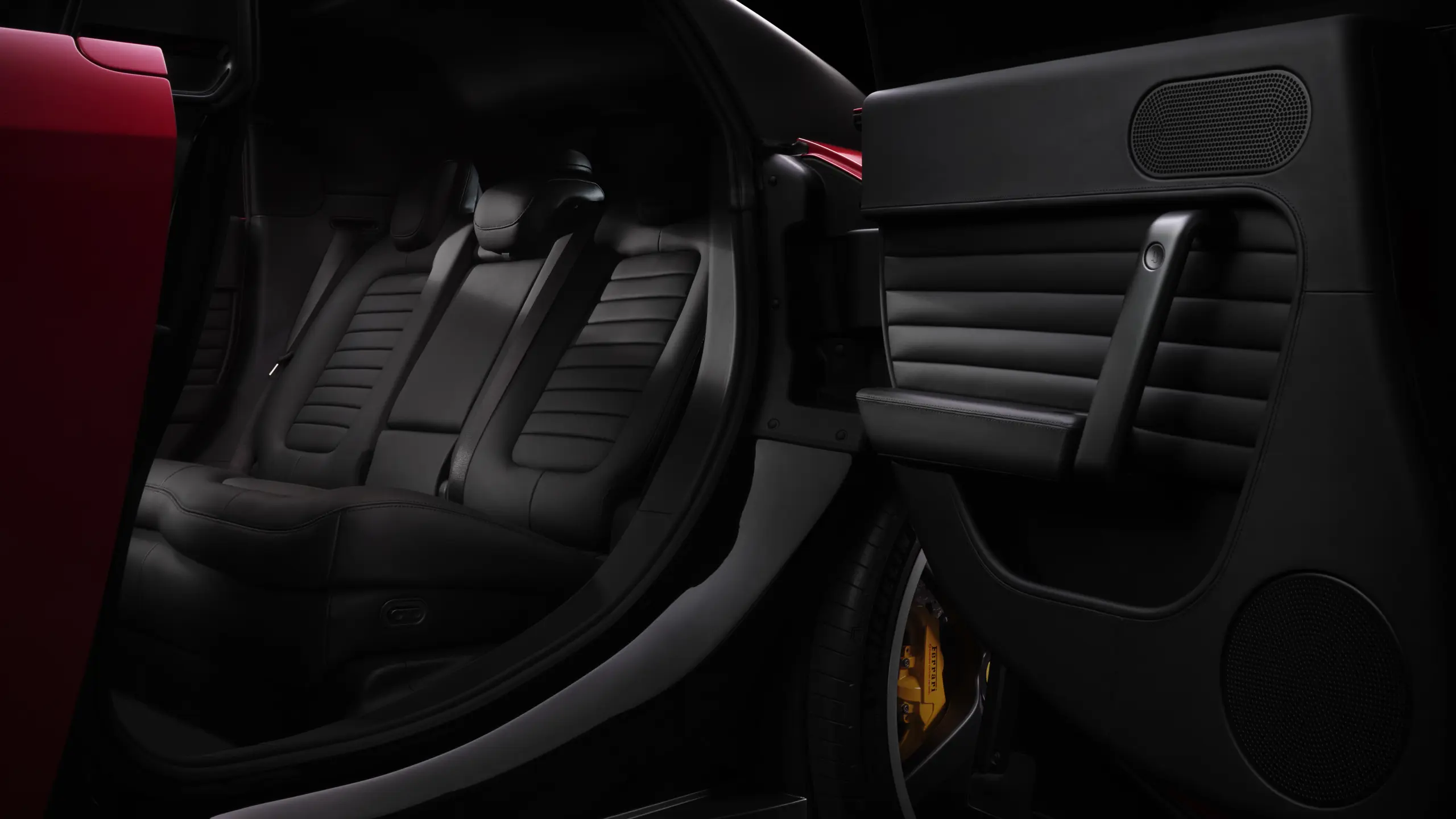
The architecture of the Ferrari Luce fundamentally changes what is possible within a Ferrari road car. For the first time, the Prancing Horse combines four doors with a true five-seat layout, creating a vehicle that introduces genuine spaciousness without compromising proportion or performance character. This new packaging philosophy transforms the emotional experience of the cabin itself. The interior feels open, light and unusually expansive, supported by the absence of a central tunnel and by the clean continuity of the design language. Rather than overwhelming occupants with visual complexity, Ferrari focuses on atmosphere, a sense of spatial calm reinforced through materials, acoustics and light management. In many ways, the Luce feels less like a conventional product launch and more like a statement of long-term direction. It suggests that Ferrari’s future will not be defined solely by powertrain technology, but by a broader understanding of luxury performance, one where usability, emotional sophistication and cultural relevance become equally important as speed itself. The Luce therefore succeeds not because it abandons Ferrari tradition, but because it expands it with confidence, clarity and remarkable restraint.