1,499 Cars, One Number That Carries Everything
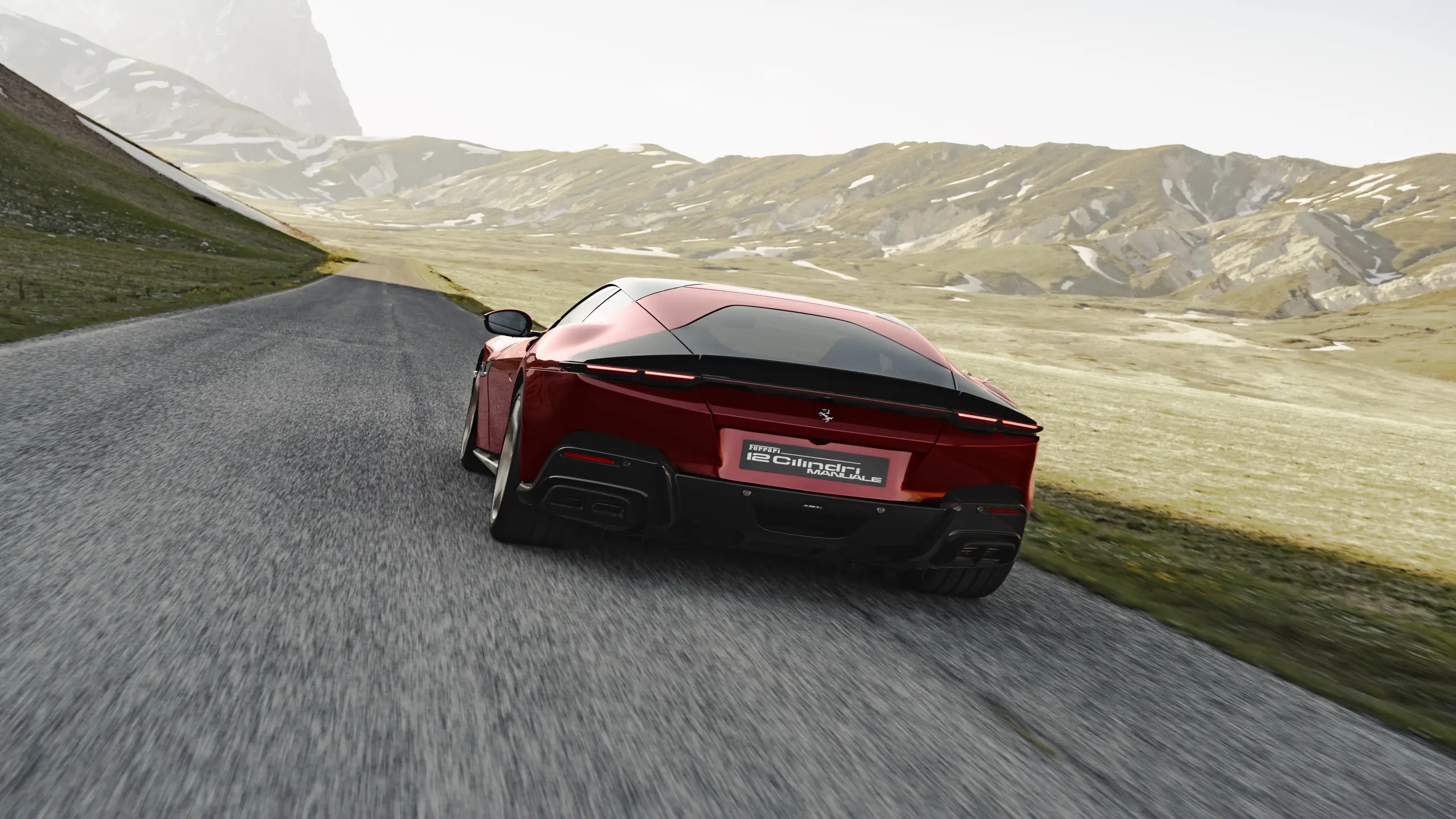
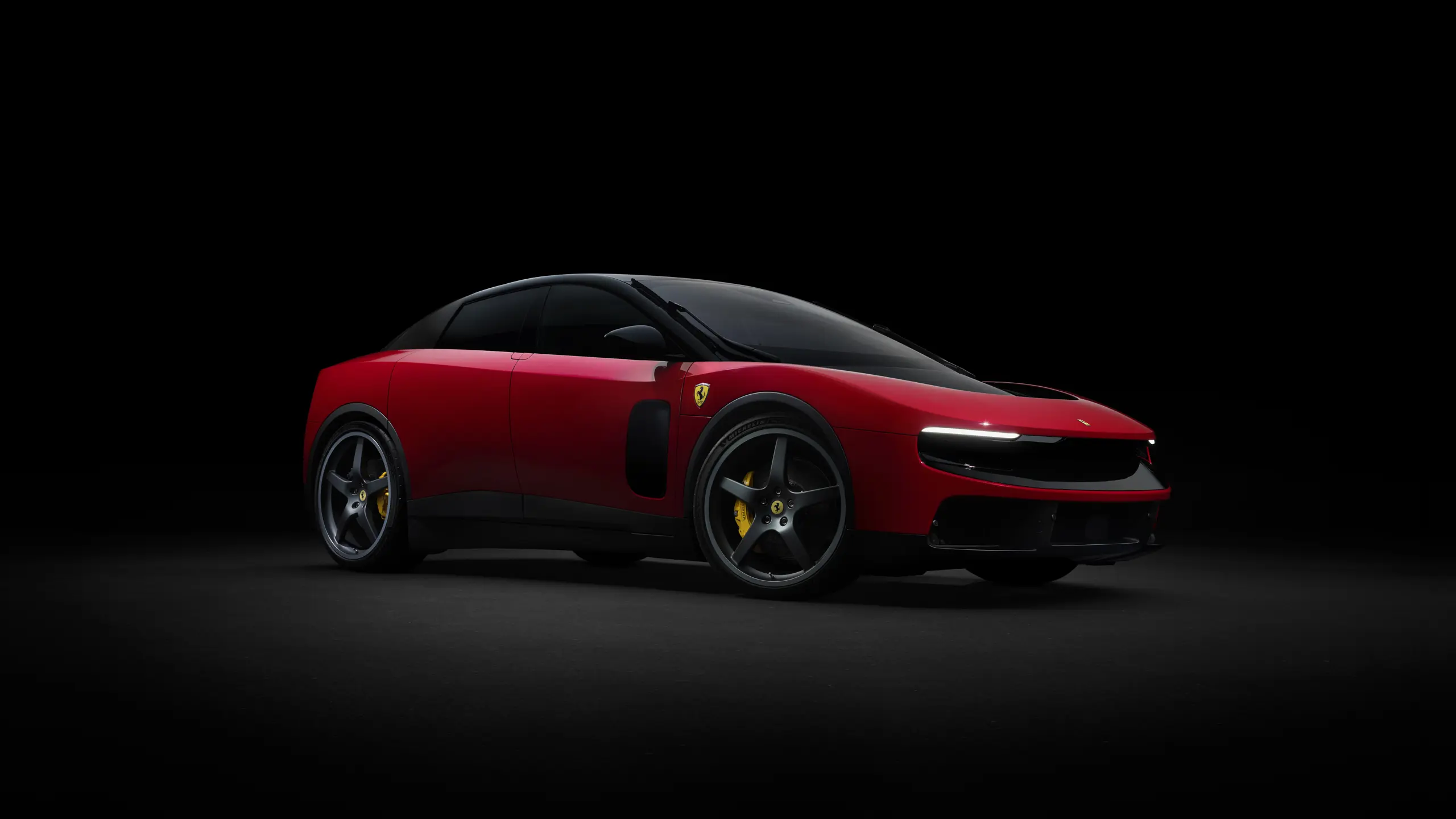
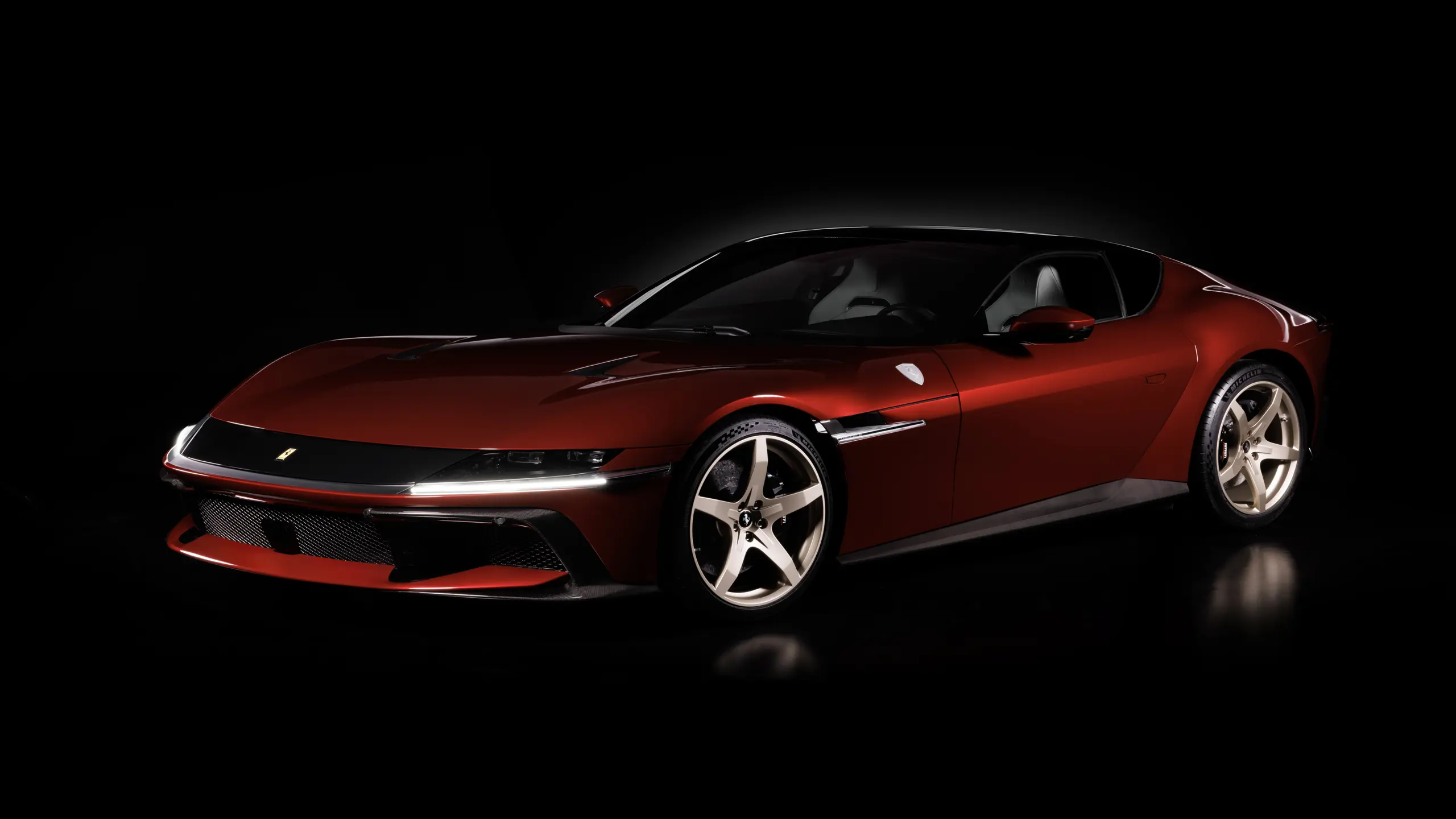
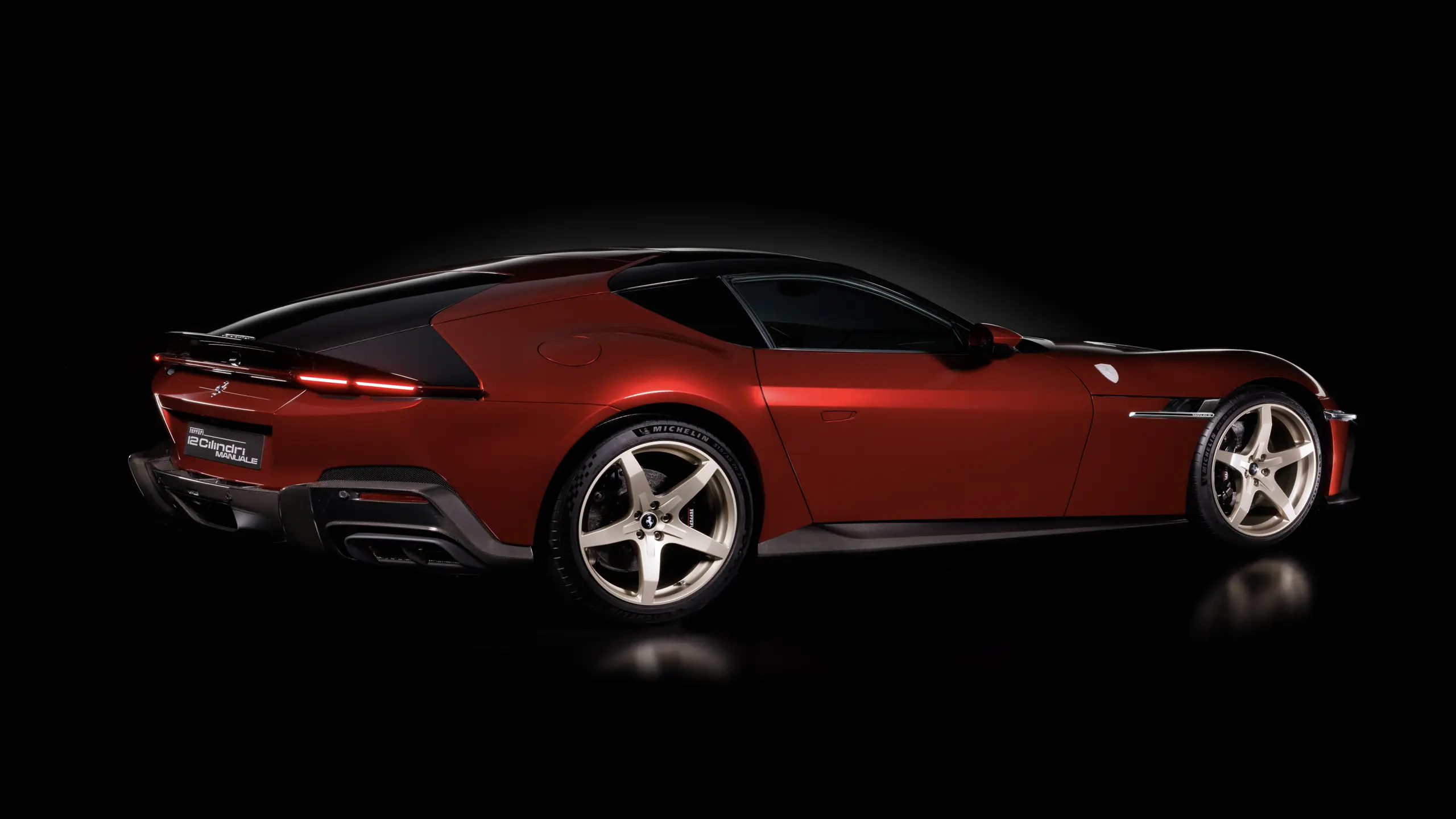
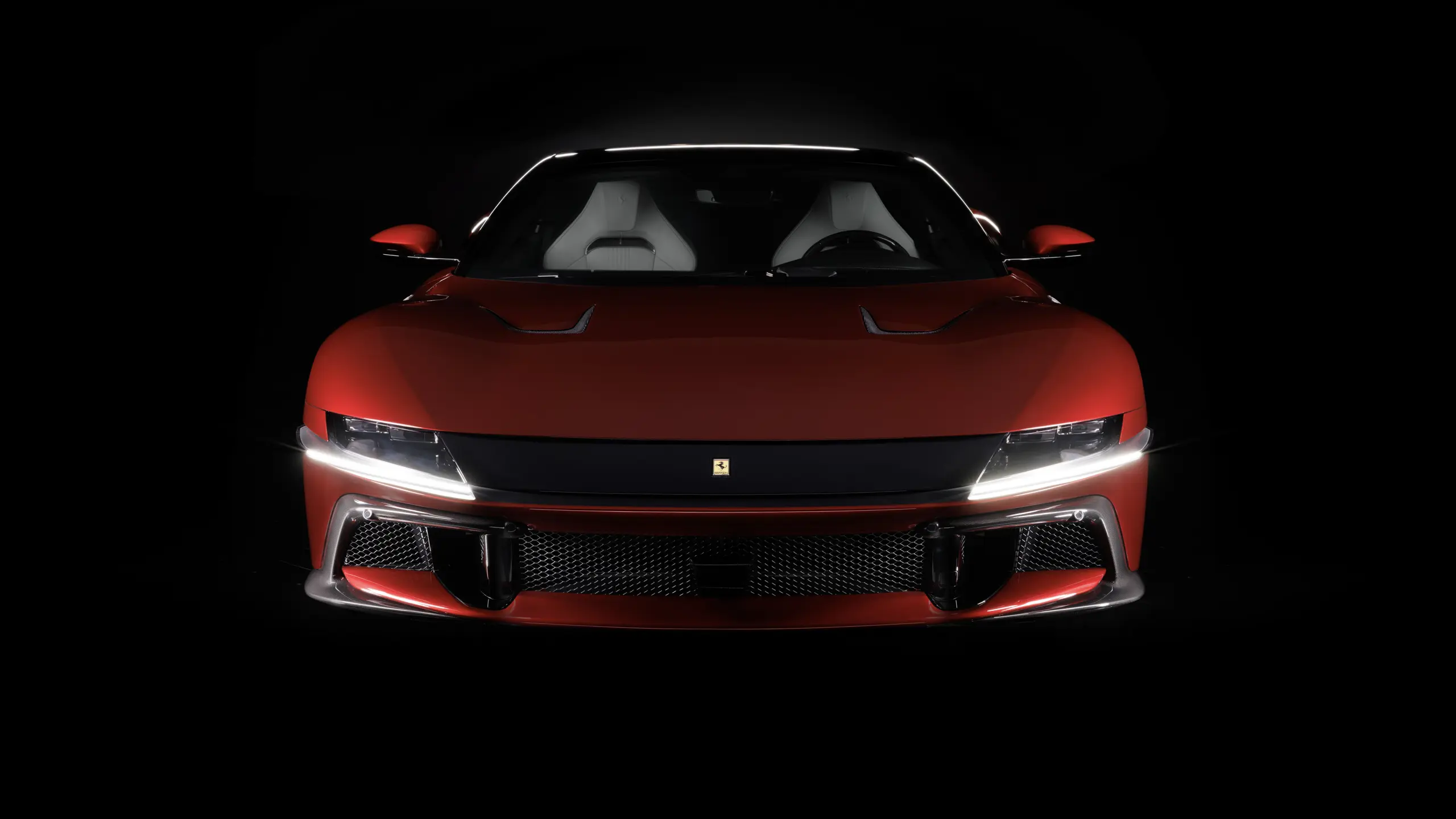
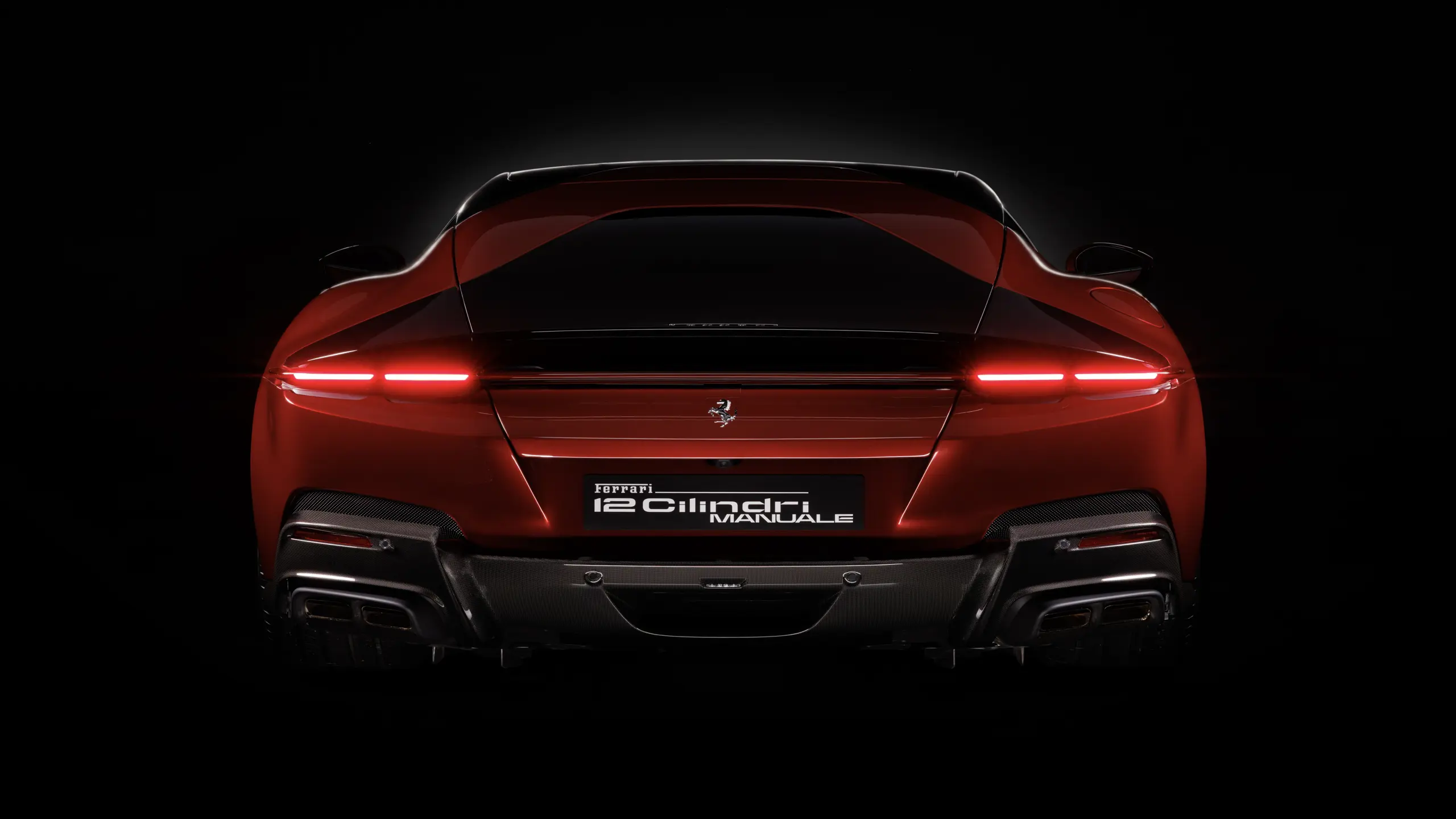
There is a particular kind of engineering ambition that doesn't announce itself in horsepower figures or lap times, but in the quality of a single physical gesture. The Ferrari 12Cilindri Manuale is built around exactly that ambition, the gesture of changing gear, its weight, its resistance, its timing, and the satisfaction of getting it precisely right. Limited to just 1,499 examples, the number itself is not arbitrary: it recalls the displacement of the very first Ferrari twelve-cylinder engine, produced in 1947, embedding the car's identity in the deepest layer of the marque's history before a single specification has been read. Beneath the bonnet sits the naturally aspirated 6.5-litre V12 that already defines the 12Cilindri, 830 cv, a rev ceiling of 9,500 rpm, a top speed in excess of 340 km/h, and a 0-100 km/h time of approximately 3.0 seconds. Those numbers remain unchanged. What the Manuale adds is not performance in the conventional sense, but a fundamentally different relationship between the driver and the machinery producing it, one mediated by a gear lever, a clutch pedal, and the entirely new Manuale By-Wire system developed in-house at Maranello.
A System Built to Deceive, in the Best Possible Way
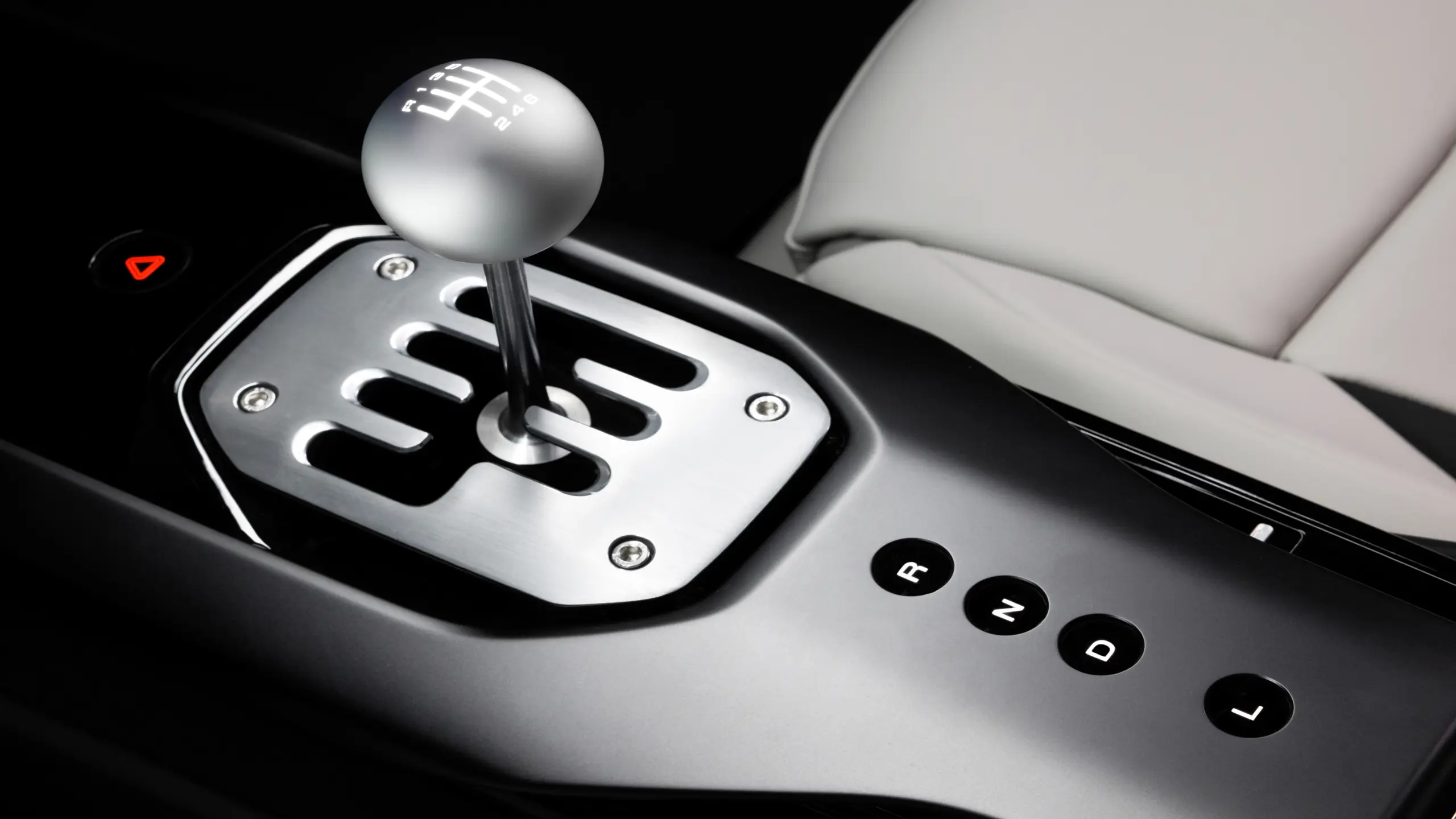
The Manuale By-Wire system is, at its core, an act of sophisticated engineering theatre. It retains Ferrari's highly regarded 8-speed dual-clutch transmission entirely unchanged, while introducing a completely new mechanical and electronic architecture that allows the driver to interact with it as though operating a traditional manual gearbox. The gear lever, machined from solid blocks and weighing less than 3.5 kg, uses a central rotating block of case-hardened high-strength steel and a system of eccentric rollers to generate the precise clicks, load variations and self-centring behaviour that characterise mechanical gear engagement. Two Hall-effect angle sensors read lever position; a push-pull solenoid provides physical feedback. The acoustic character of the lever's movement received its own dedicated development programme, because Ferrari understood that the sound of a gear change is as much a part of the experience as its feel. The clutch pedal completes the picture. A by-wire position sensor reads the driver's input across the full range of pedal travel, translating it into hydraulic actuation of the DCT clutch pack via a preload spring, cam and roller mechanism that recreates the load-travel curve of a mechanically linked manual gearbox. The consequences of imprecision are genuine: poor timing can result in a stiffer change, a jerk, or a stall, the same feedback loop that made learning to drive a manual Ferrari in the 1960s simultaneously demanding and deeply rewarding. For the first time in many years on a Ferrari, the steering wheel paddles have been removed entirely, concentrating the driver's attention on the lever and the pedal, on timing and ritual, on the physicality of the act itself.
A Cabin Shaped Around the Gesture
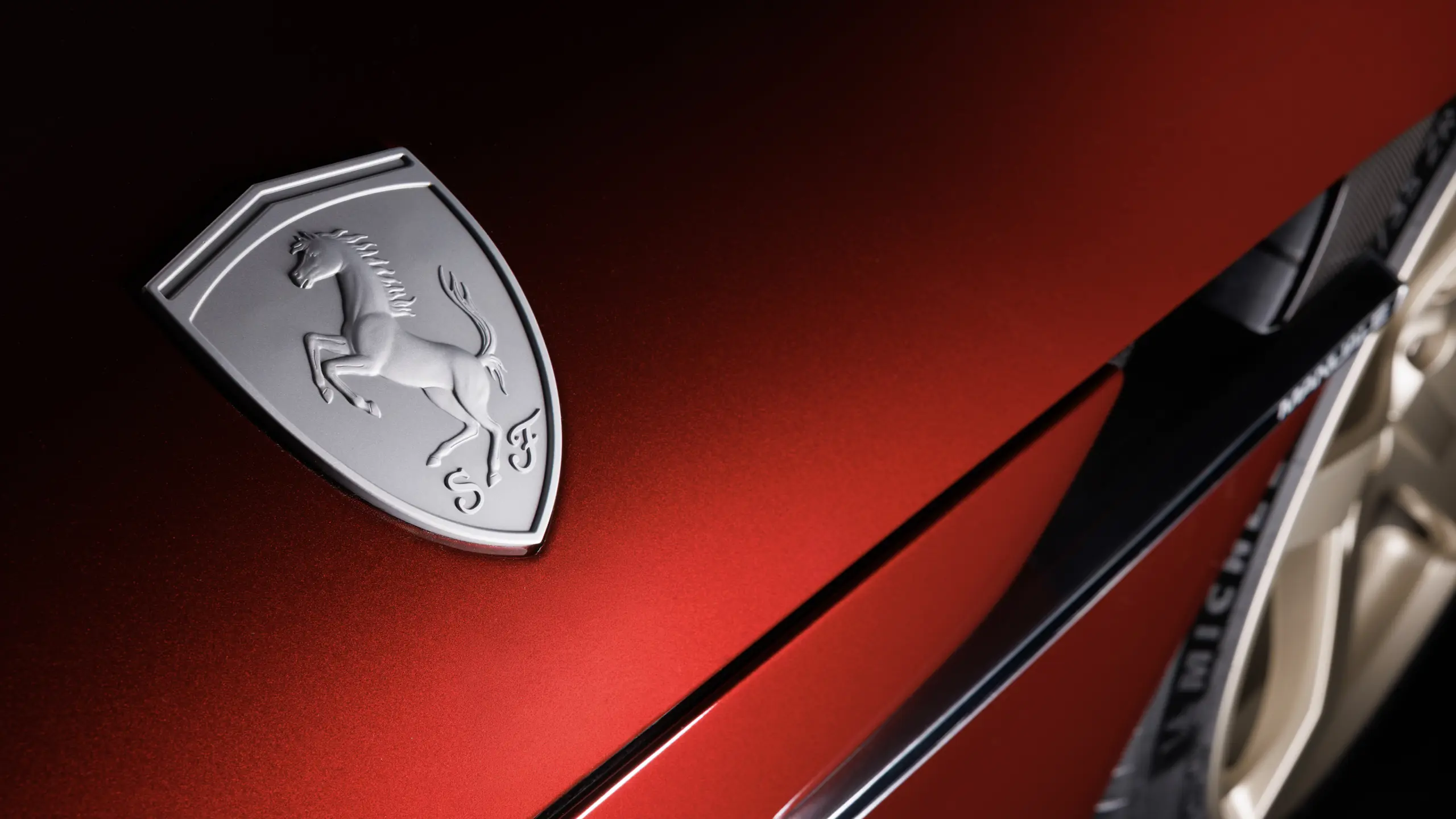
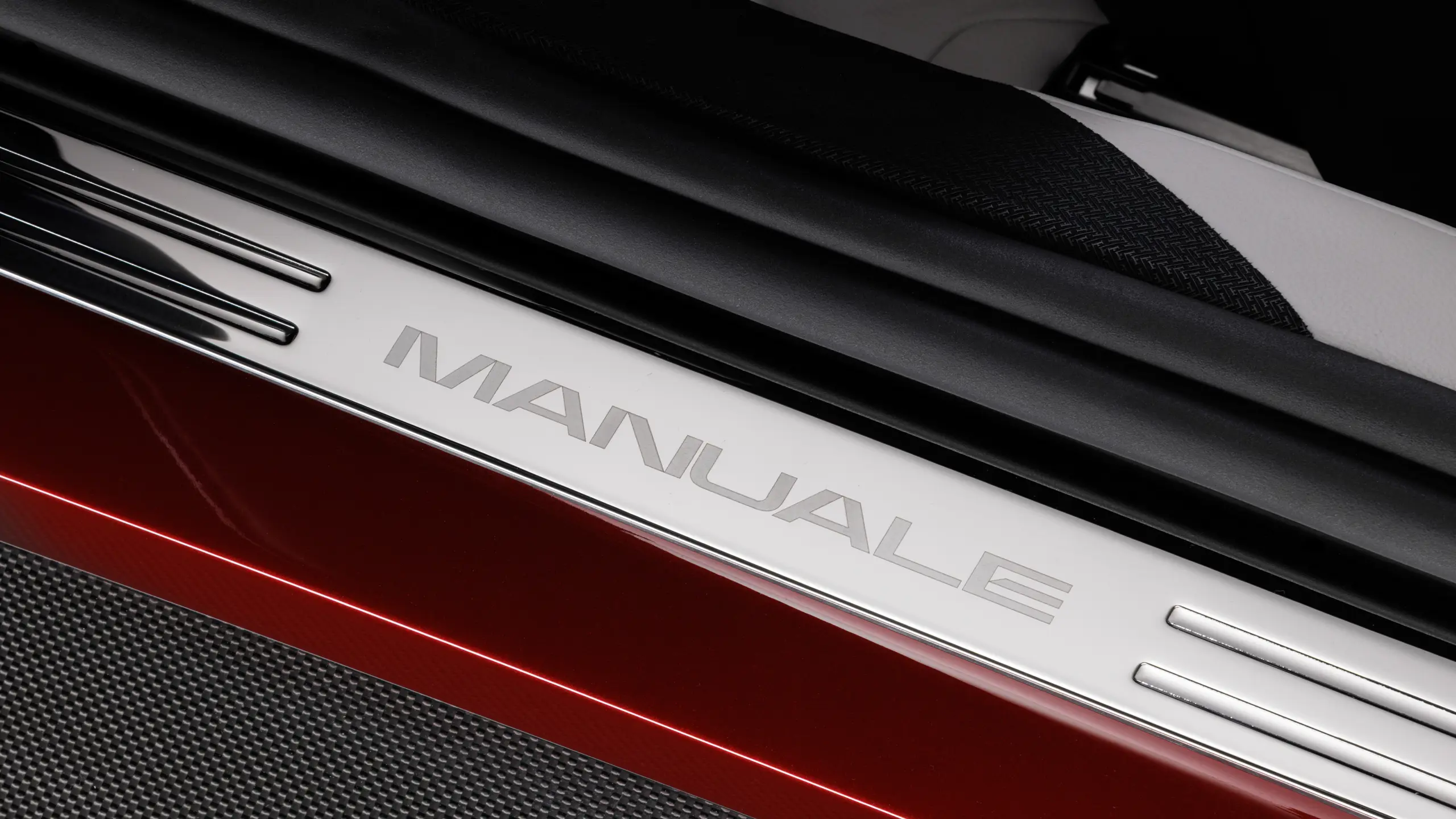
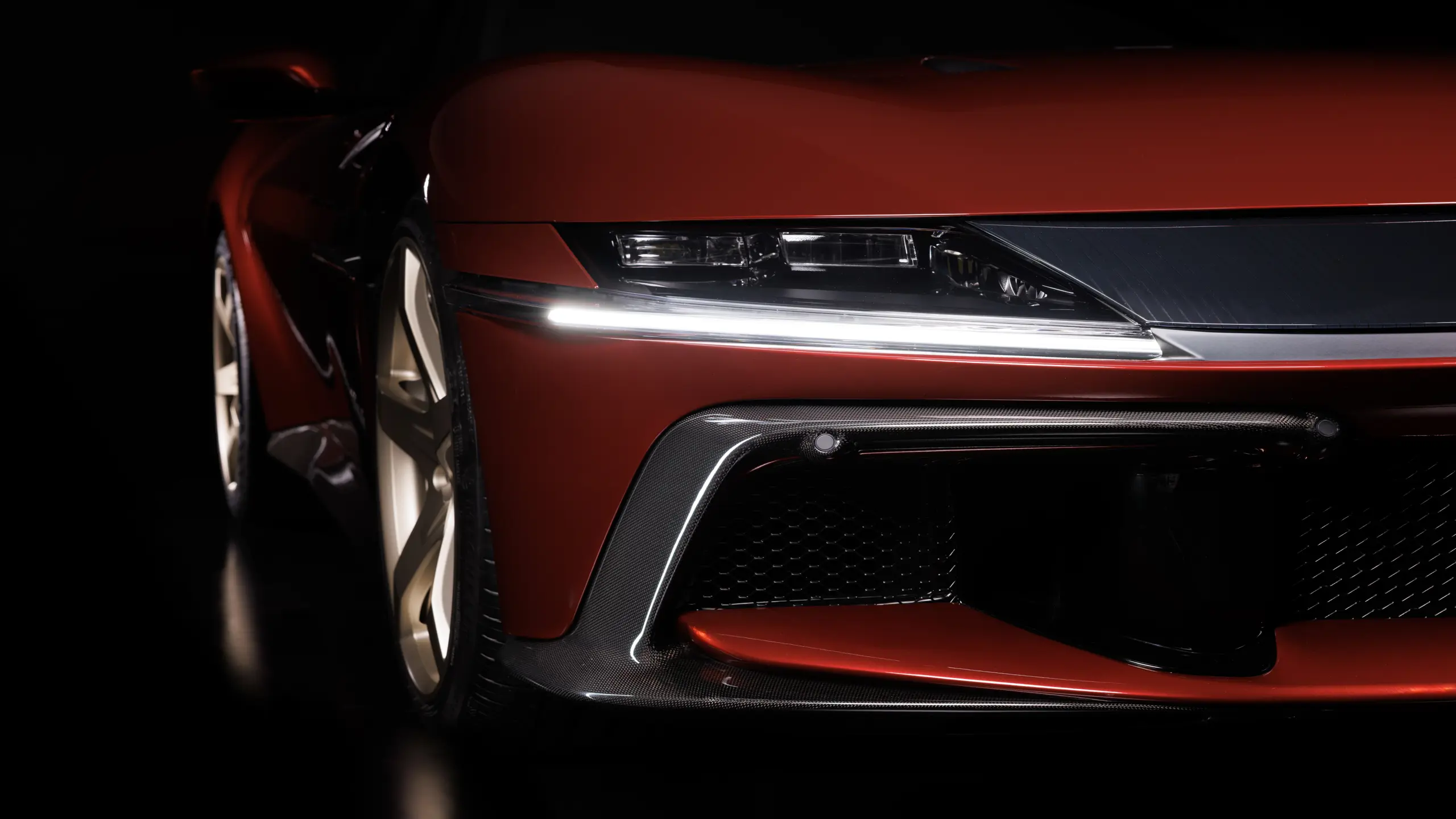
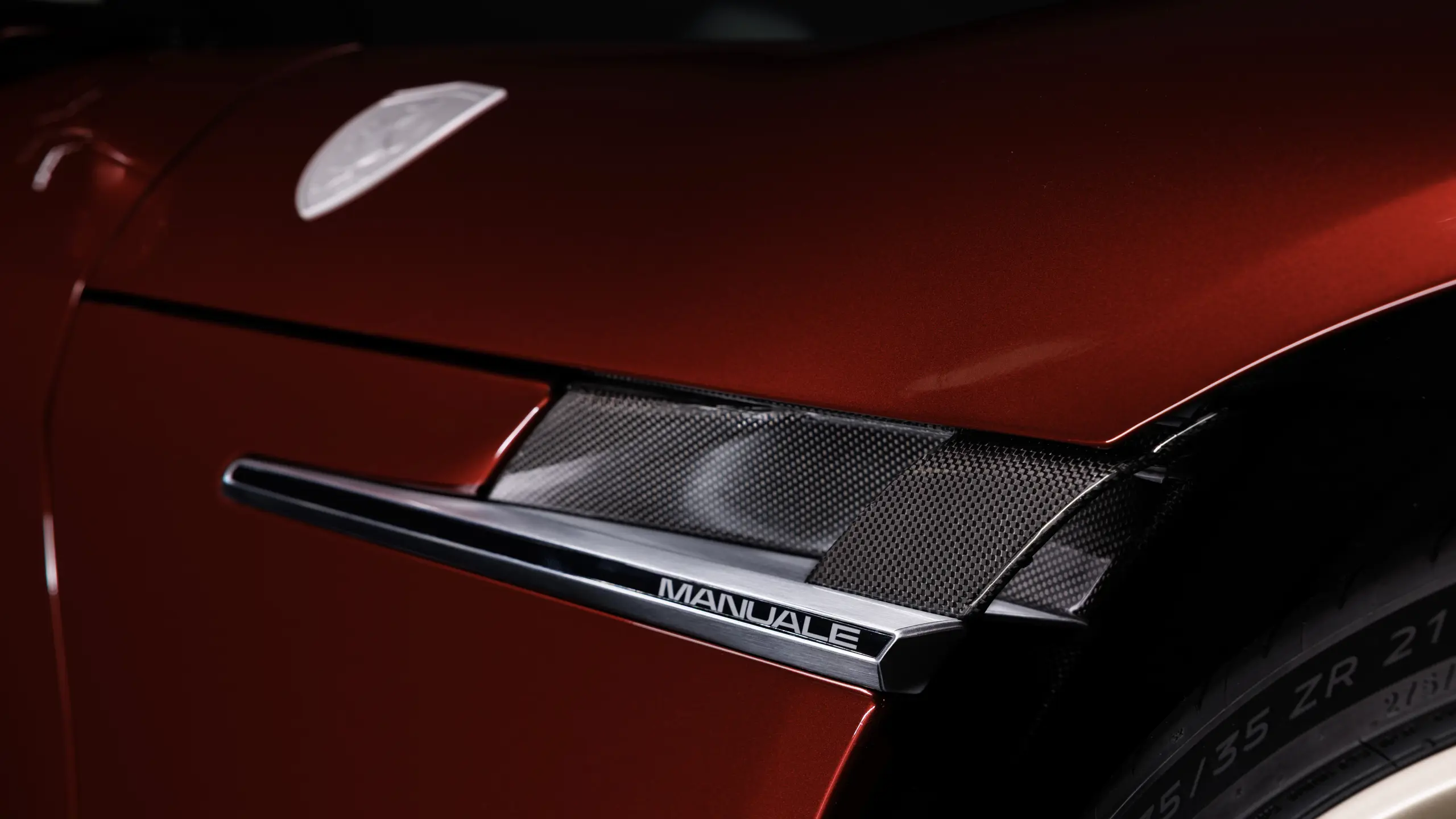
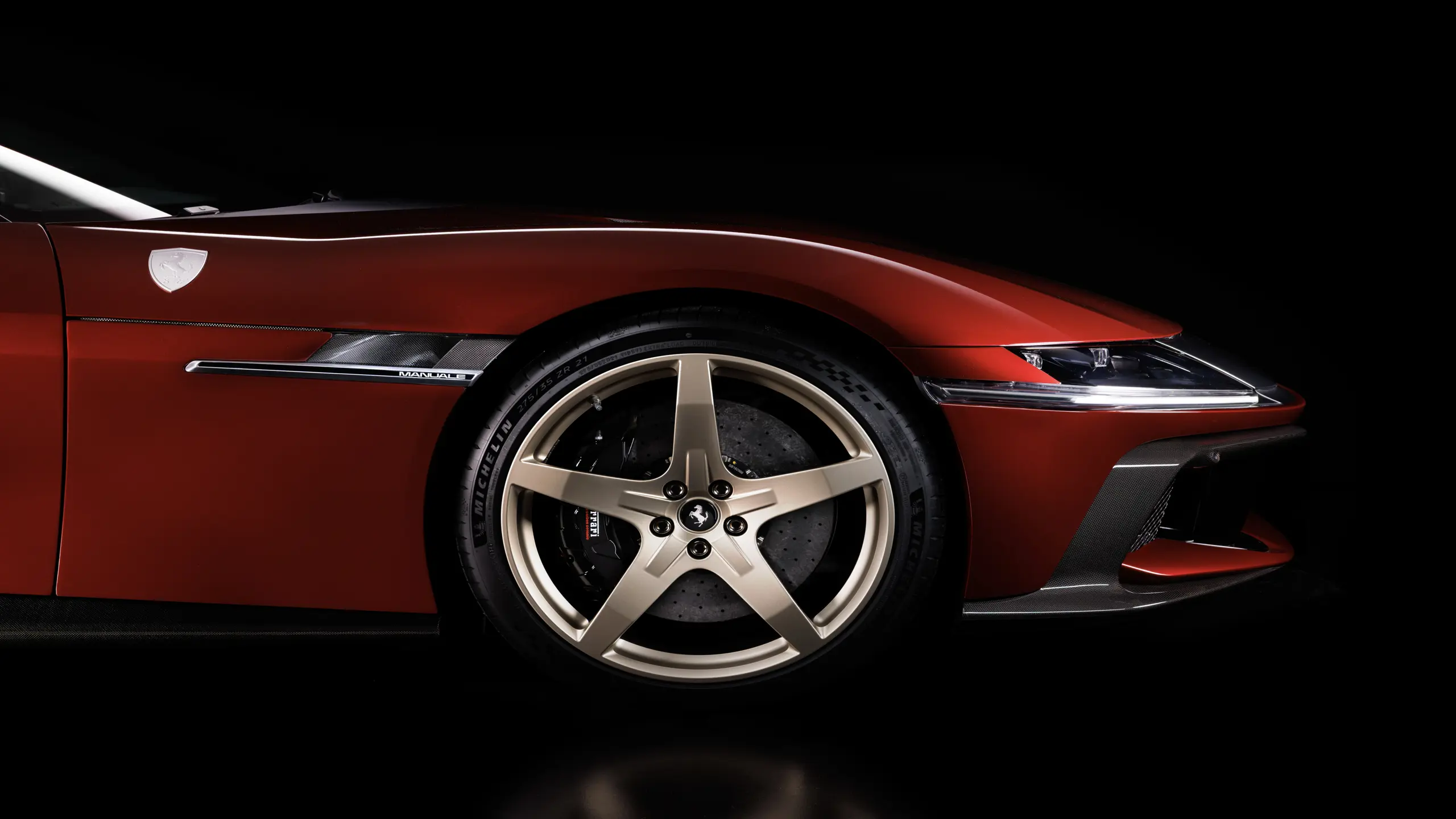
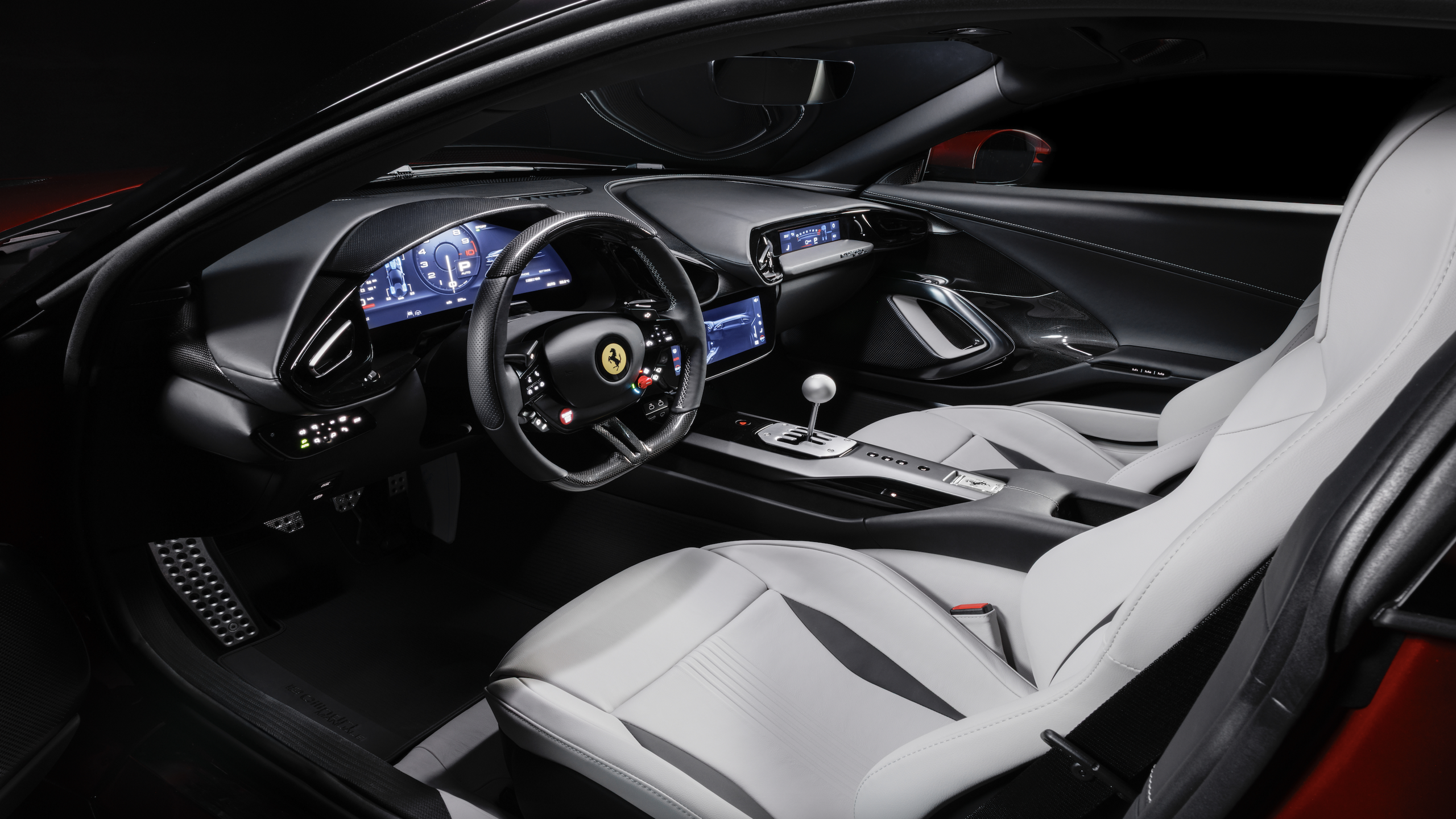
Inside, the 12Cilindri Manuale reinterprets the visual language of Ferrari's lever-operated Grand Tourers with a precision that respects the original without imitating it. The gear shift gate, an icon of mid-century Ferrari interiors, returns in a contemporary form, its steel plate embellished with an anodised aluminium sculpture in the shape of a tuning fork that incorporates the control panel and key housing. The round aluminium gear knob features a backlit screen print indicating the six gears and the currently active driving mode, illuminated in white and amber by 12 integrated LEDs. The centre tunnel console has been redesigned to improve ergonomics during manual operation, and the three-pedal assembly is arranged in a triangular configuration between the steering wheel and the seat, a layout that rewards the heel-and-toe technique and makes its practice feel like the natural conclusion of how the cabin was conceived. The Tailor Made programme extends the car's individuality across 25 Ferrari colours, among them Rosso Rubino for the launch edition, alongside heritage shades including Argento Nürburgring, Rosso Dino, Verde Zeltweg and Blu Pozzi. Seats are available in Comfort and Racing configurations, each featuring six vertical grooves that echo the six gears. A pinstripe finish to the front splitter and rear wings pays quiet homage to the Ferrari 365 GTB4, while an embossed scudetto produced using coining techniques and laser-etched side badges complete the visual identity of a car designed to be instantly recognisable to those who understand what they are looking at.
The Return of Something That Was Never Truly Gone
What the Ferrari 12Cilindri Manuale ultimately represents is a philosophical position as much as a technical achievement. In an era of seamless automation and paddle-shifted precision, it makes the case that driver involvement is not a limitation to be engineered around, but a quality to be engineered toward, that the sensation of coordinating hand, foot and engine at 9,500 rpm, of executing a heel-and-toe downshift with exactly the right timing, is not nostalgia but a legitimate and irreplaceable dimension of what it means to drive a Ferrari. The Manuale By-Wire system achieves this without compromise: the reliability, repeatability and functional sophistication of the DCT remain entirely intact, while the interface through which the driver accesses them has been rebuilt from first principles around the analogue experience. It is, in that sense, the most honest possible answer to the question of what a manual Ferrari means in 2026, not a recreation of the past, but a rigorous reinterpretation of its most essential quality, carried forward into the present on Ferrari's own terms.