A Personal Vision, a Universal Language
The Ferrari Special Projects programme exists to answer a question that no catalogue can: what would a Ferrari look like if it were built entirely around one person's vision of what a Ferrari should be? The CZ26, unveiled at Monterey on 13 August 2026, is the latest and perhaps most formally rigorous answer to that question yet. Created in collaboration with a US client by the Ferrari Design Studio under the direction of Flavio Manzoni, and built on the exceptional technical platform of the SF90 Stradale, with its full performance specifications intact, the CZ26 does not attempt to look like a production Ferrari seen from a new angle. It attempts something more ambitious: a completely independent design identity, arrived at through a process of reduction and precision rather than addition and complexity. The SF90 Stradale beneath it remains unchanged, its hybrid powertrain, its performance envelope, the fundamental architecture of one of Ferrari's most capable road cars. What the CZ26 adds is not more capability but a different kind of presence: one defined by strength, formal purity and an immediately legible design language that draws on the principles of Italian industrial design from the 1970s and reinterprets them through a contemporary, forward-looking lens.
One Surface, One Idea, One Silhouette
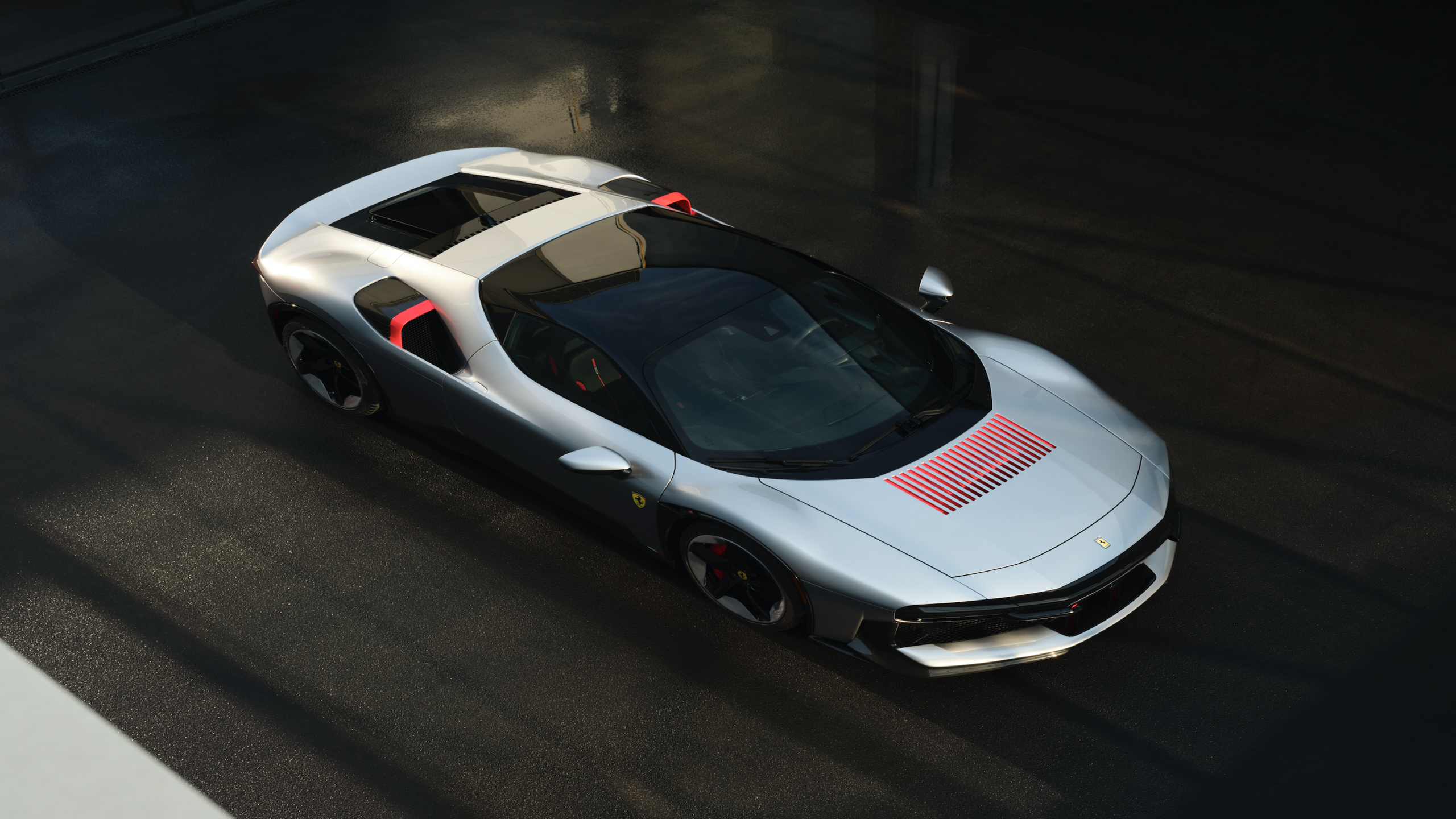
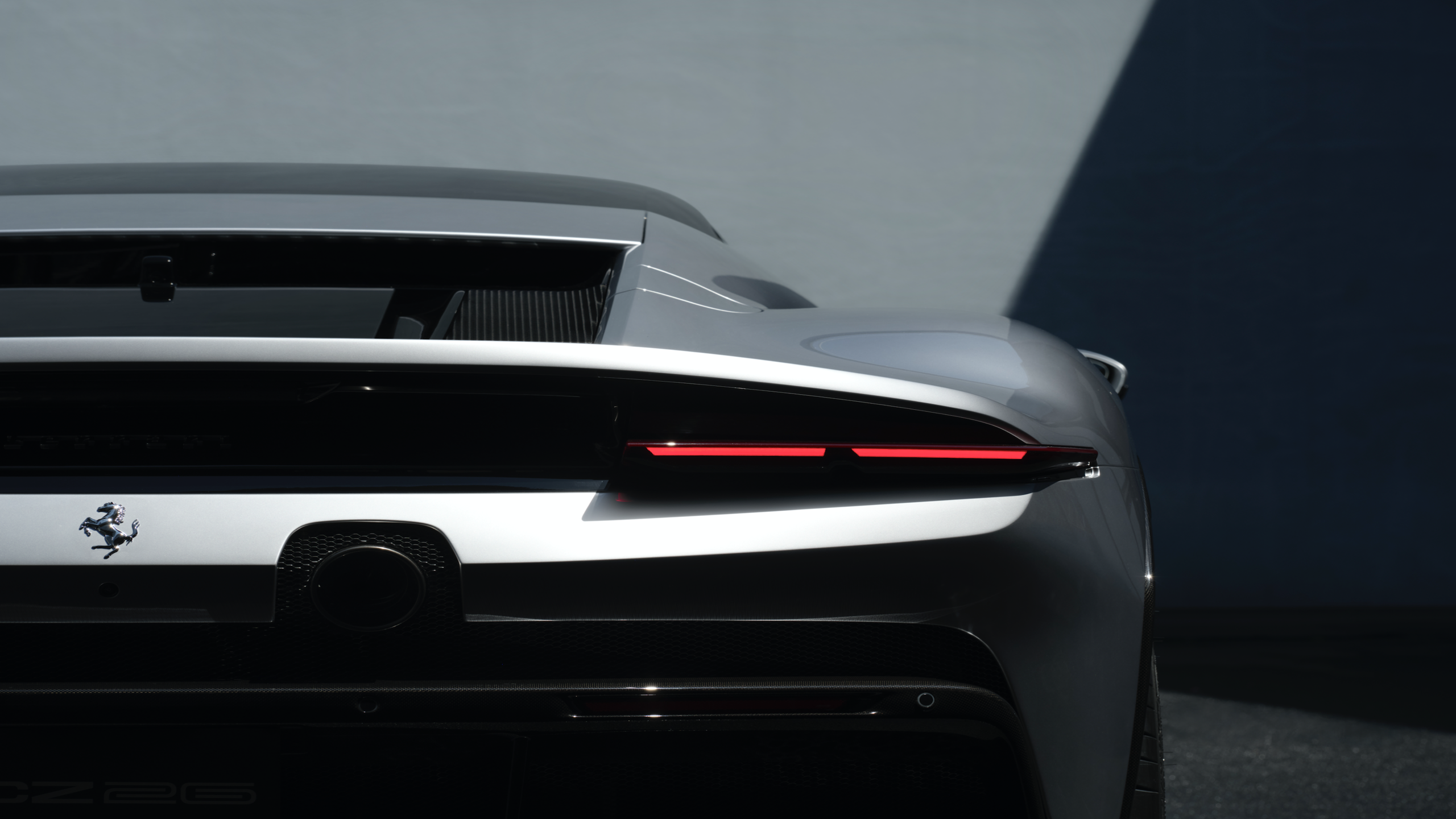
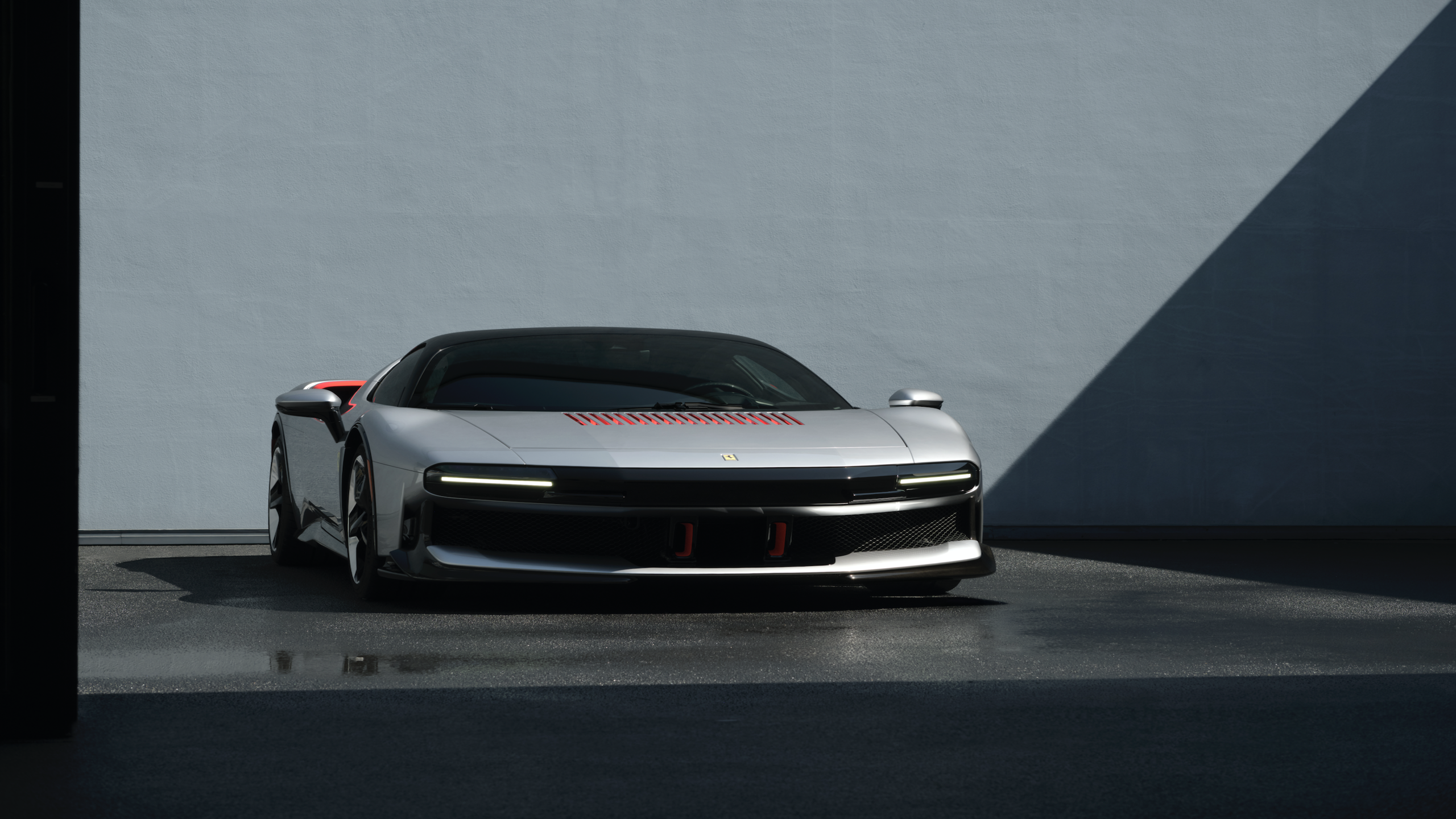
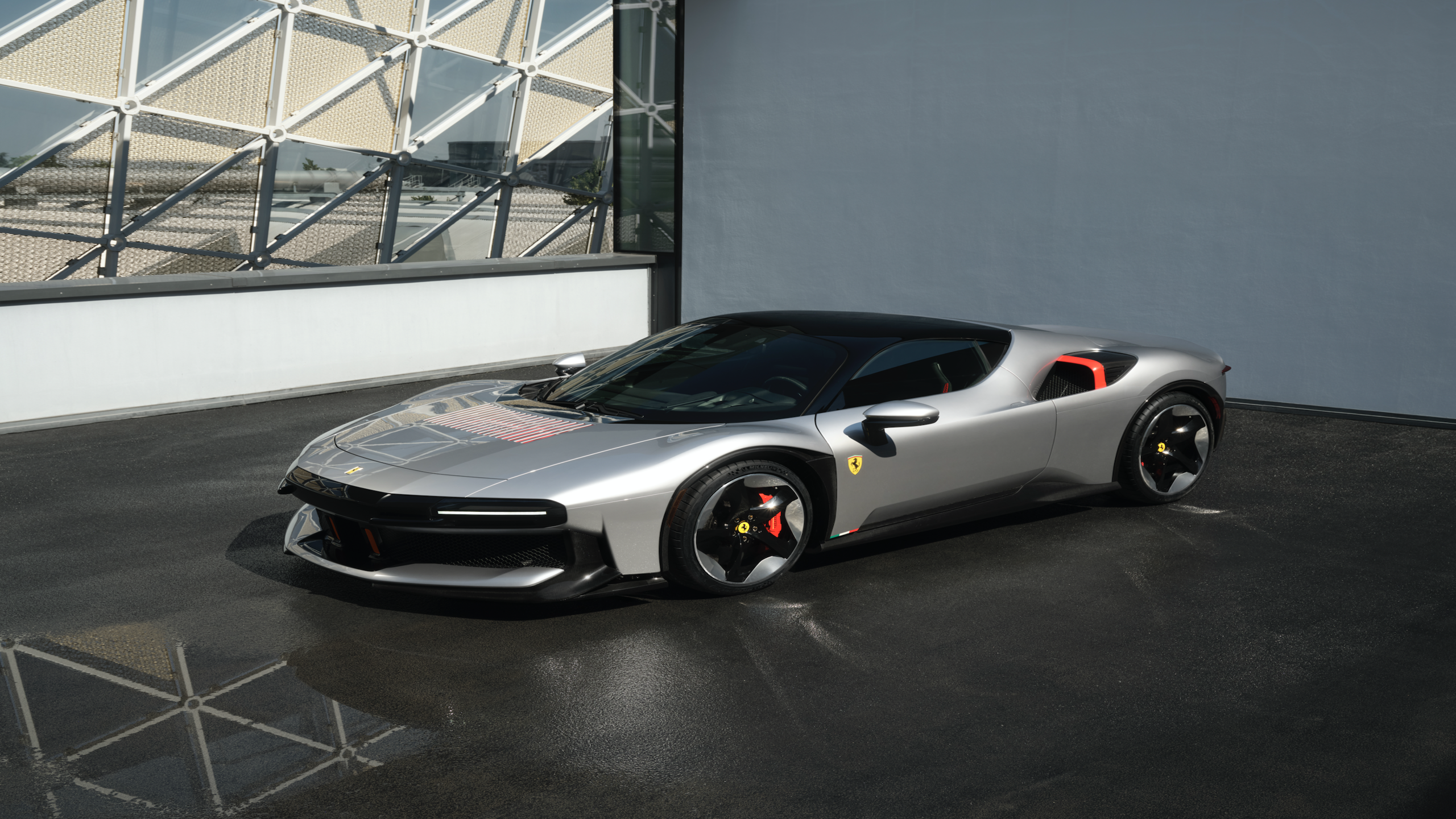
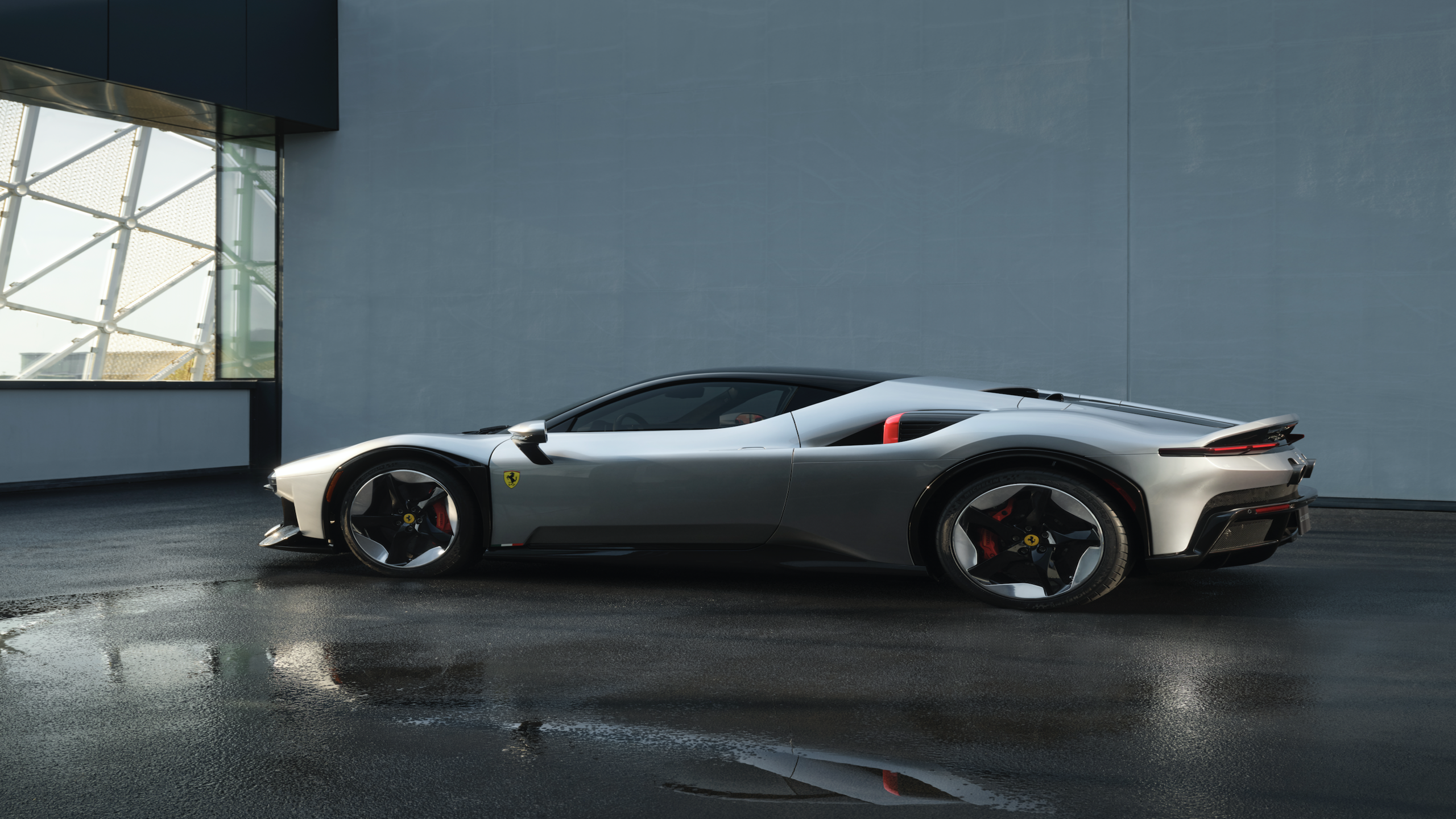
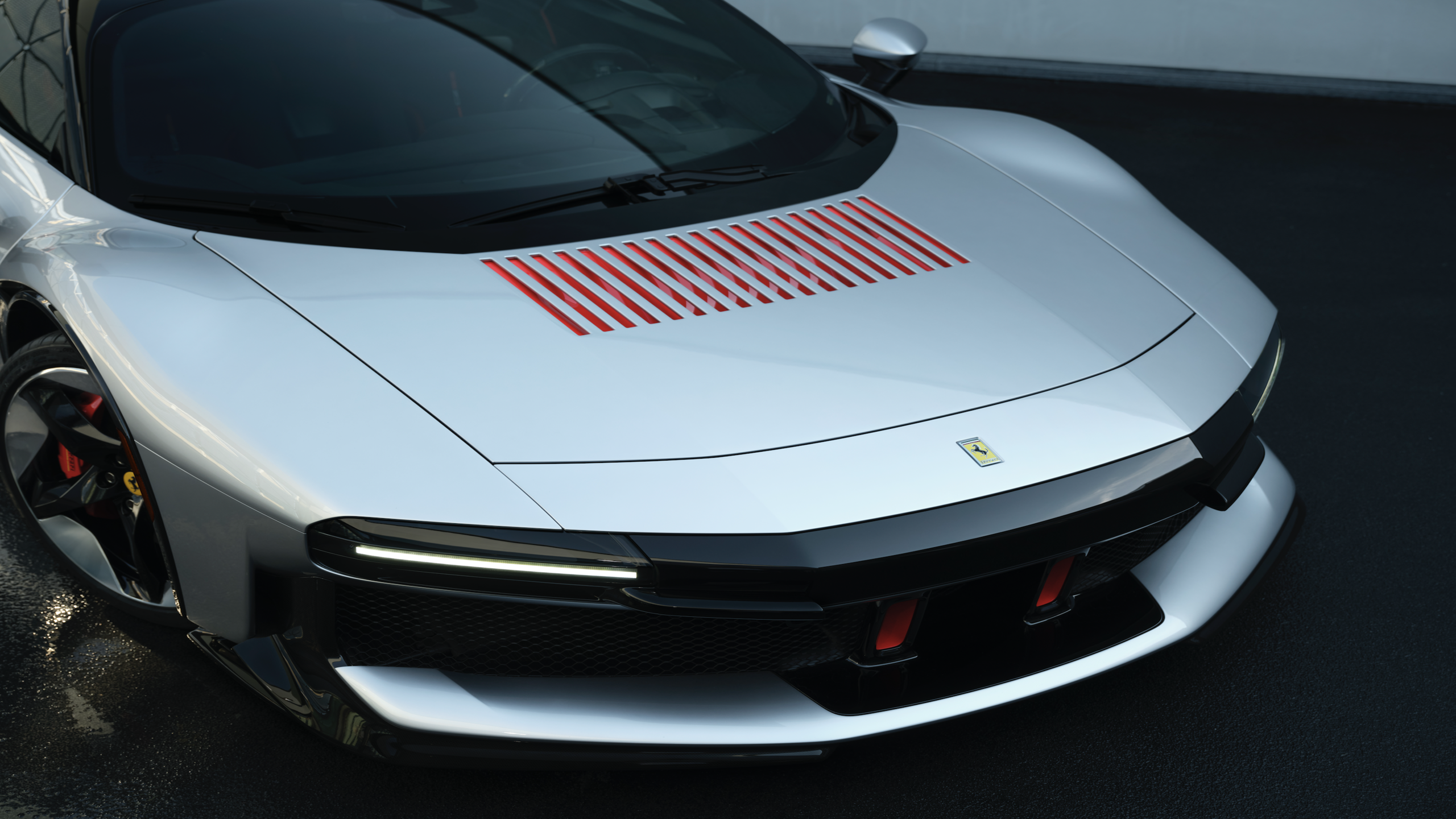
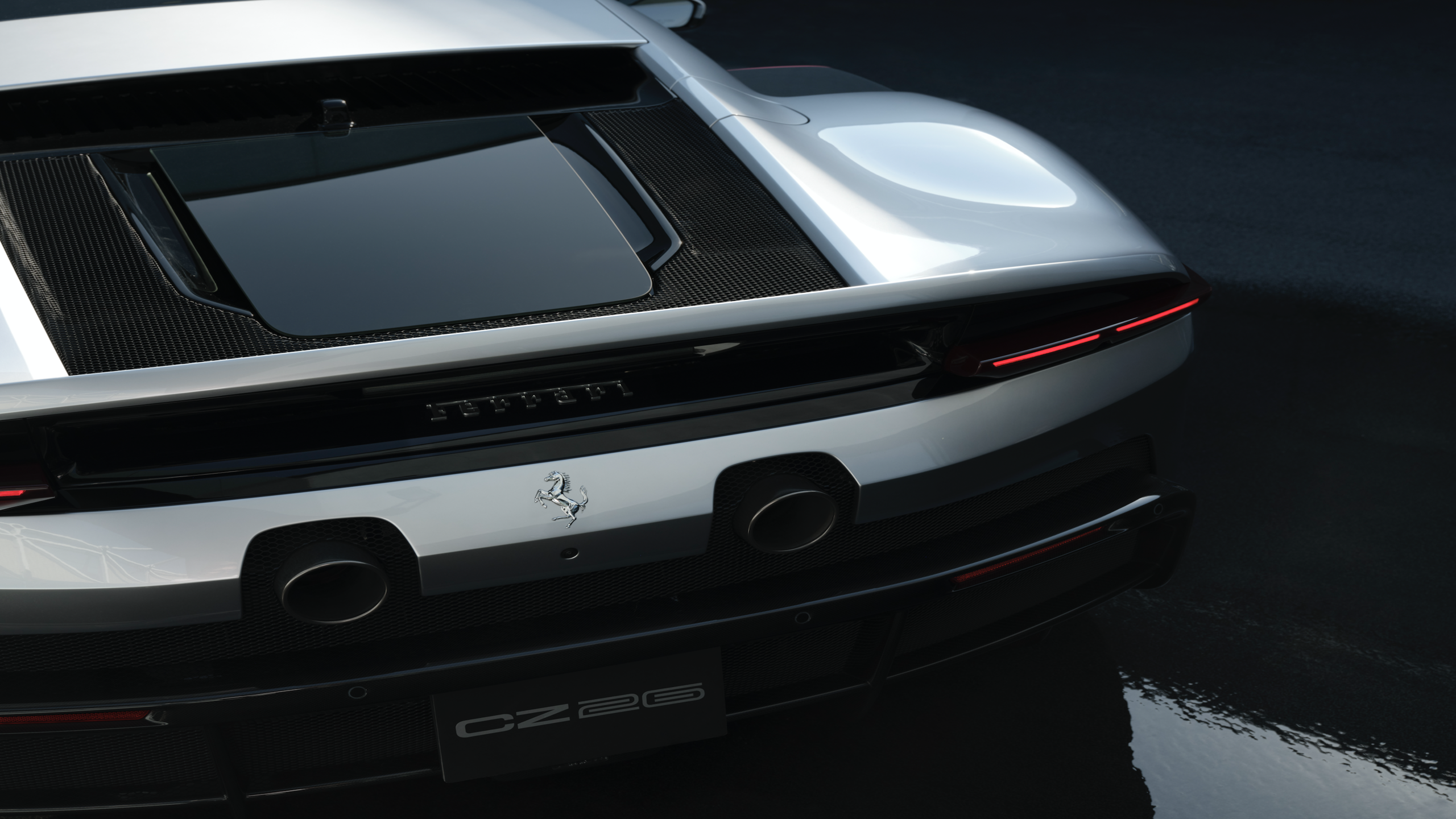
The design of the CZ26 begins with a proposition: that the entire body of a car could be conceived as the extrusion of a single element, flowing from front to rear without interruption and concluding naturally in a clean, sculpted truncated tail. The result is a distinctly horizontal two-box silhouette with a stable, road-hugging presence built around a pure central mass, described by Ferrari's designers as capsule-like, supported by four muscular elements at the wheel arches that read simultaneously as structural and sculptural. Every surface flows from that central logic, and every functional element, the side cooling intakes, the front end, the rear diffuser, the cantilevered light clusters, the carbon-fibre wheel arch extensions, emerges directly from the main surface rather than being applied to it. The front is dominated by a full-width functional grille incorporating ultra-slim lighting units with a concealed effect, brake air intakes, sensors and technical components, unified beneath an unprecedented vertical leading edge that gives the car a bold, assertive face unlike anything in the current Ferrari range. At the rear, cantilevered taillights and a pronounced horizontal diffuser, designed as much to visually widen the car's stance as to function aerodynamically, close the silhouette with a sculptural lightness that makes the truncated tail feel inevitable rather than abrupt. The cabin is integrated into the overall form through black trim on the roof and pillars, creating the effect of a cockpit set within the bodywork rather than rising above it, preserving the clarity of the exterior design from every angle.
Argento Veloce, Rosso Lampante and the Precision of Finish
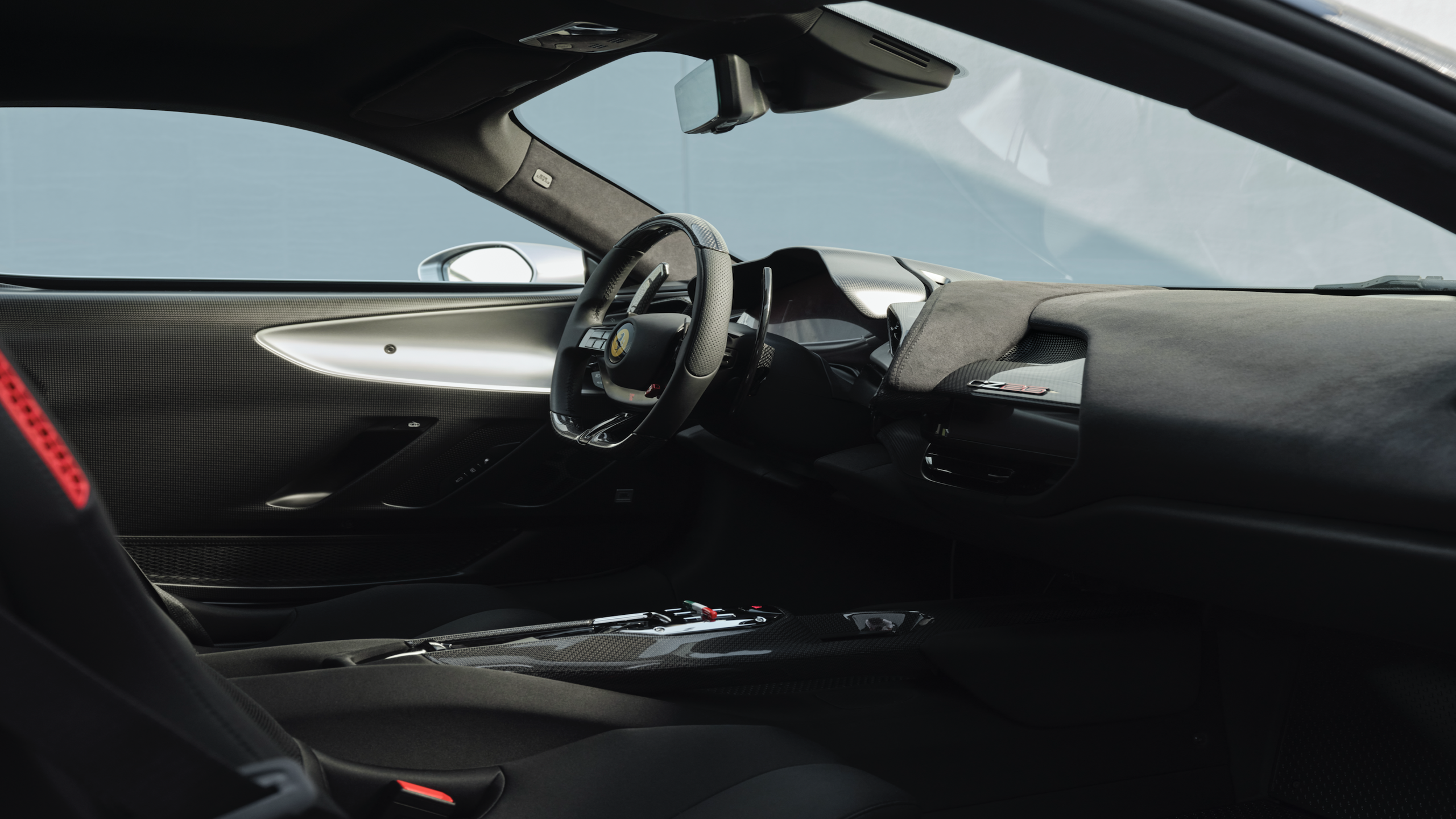
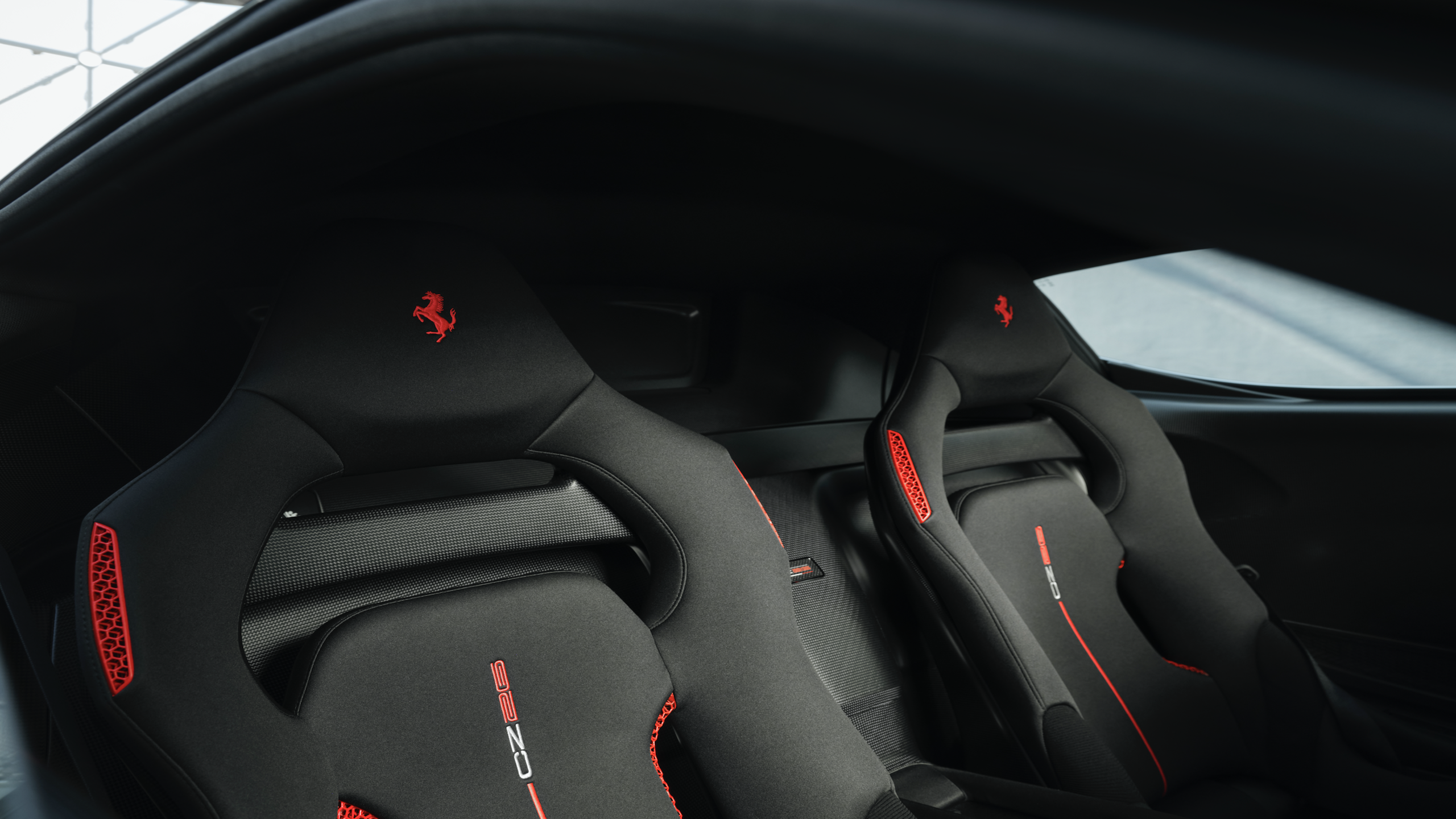
The colour and material choices of the CZ26 were developed with a futuristic inspiration in mind, and they deliver on that ambition with a specificity that elevates the design rather than merely decorating it. The bodywork is finished in Argento Veloce, an exclusive silver shade with a liquid-like effect that emphasises the richness of the surfaces and the precision of every line, while Rosso Lampante details provide a striking contrast across the car's functional and technical elements, defining its dynamic character without interrupting the formal rigour of the overall composition. Pigmented carbon-fibre elements further emphasise the complexity of the bodywork, and the wheels, designed specifically for the CZ26, combine a gloss black painted finish with a shot-peened surface treatment, achieved by blasting with microscopic beads to produce a polished effect of considerable subtlety. Inside, the exterior's technical language translates into a cabin whose focal point is a bespoke black technical fabric, paired with seat inserts produced through additive manufacturing and featuring a surface design developed specifically for this car. The contrast between matte technical fabric and satin-finish carbon fibre is deepened by a special gloss carbon fibre with metallic filaments woven into its structure, a material that shifts in character as light moves across it, giving the interior a three-dimensional depth that flat surfaces cannot replicate. Rosso Lampante details echo the exterior throughout, while body-coloured elements on the door panels and upper dashboard section complete a composition in which the cabin feels not decorated but resolved.
Aerodynamics as Architecture
The aerodynamic development of the CZ26 is as thorough as its visual design, and the two are inseparable in intent. At the front, the cooling system and airflow management were completely redesigned, the central radiator pack reoriented, dedicated bypass ducts introduced, improving both cooling efficiency and the downforce generated over the front axle simultaneously. The underbody and vortex generator system were also completely reconceived to optimise aerodynamic balance, while air curtain systems in the outer sections of the front bumper manage the wake generated by the front wheels, reducing drag without visible disruption to the exterior surfaces. At the rear, a large upper spoiler and dedicated diffuser work in combination to increase downforce while maintaining aerodynamic efficiency, and the redesigned engine cover incorporates dedicated vents for thermal management of the engine compartment under all operating conditions. Every aerodynamic intervention was developed as part of the same formal vocabulary that governs the car's visual identity, functional elements emerging from the main surface, never imposed upon it. In that coherence between engineering necessity and design intention, the CZ26 achieves something that the most technically accomplished production cars rarely manage: a one-off that looks as though it could not have been designed any other way.