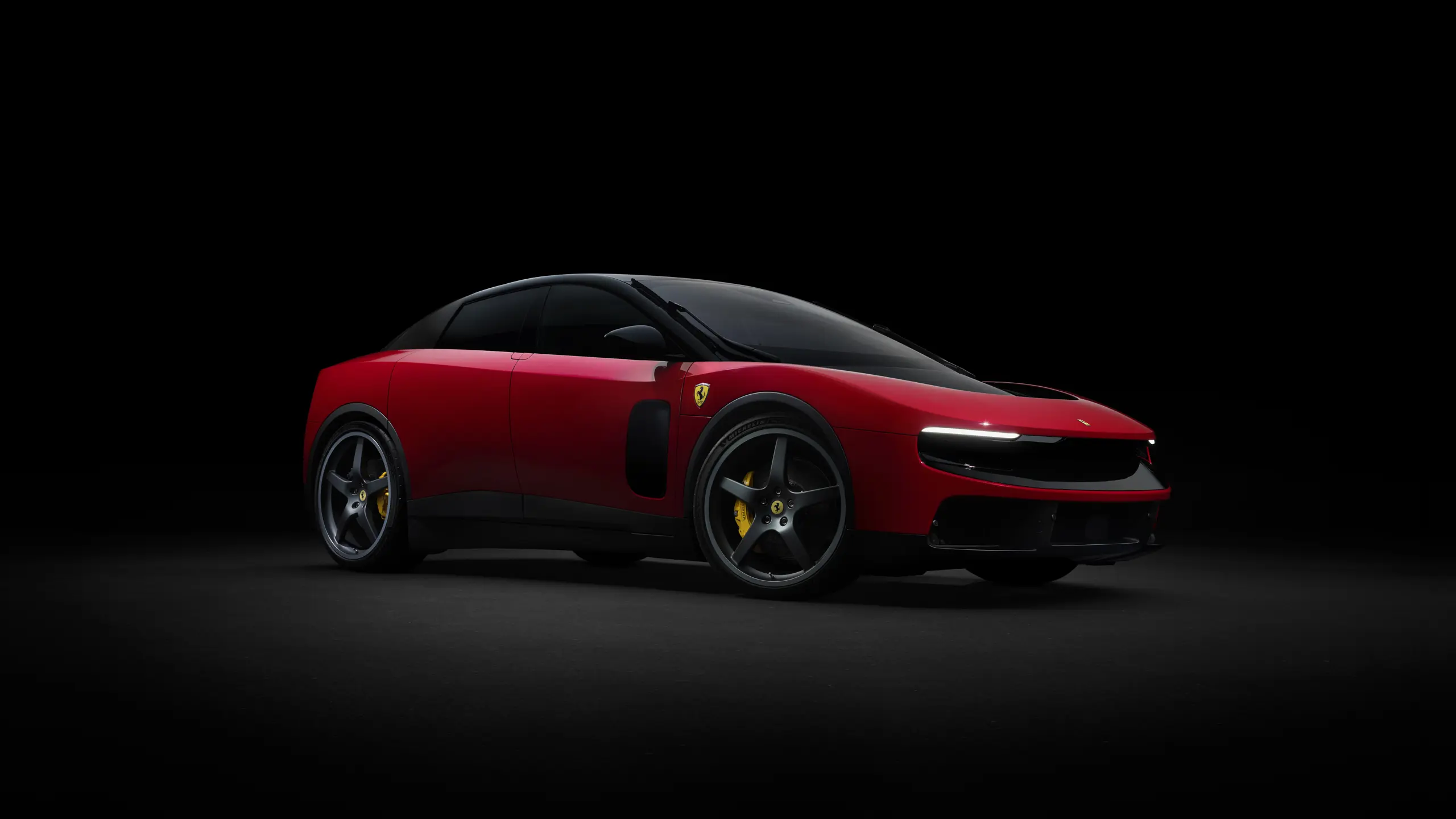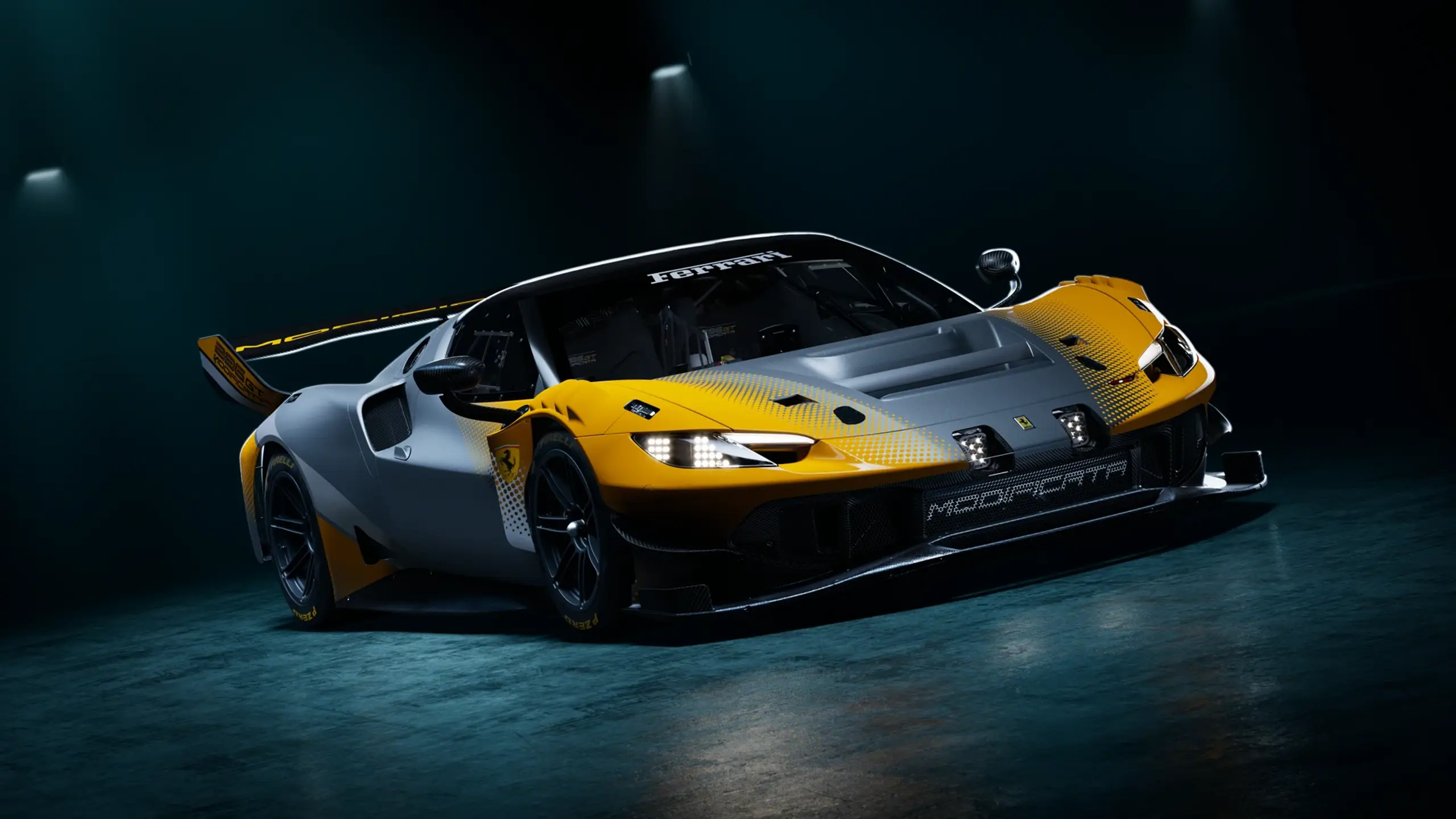
A Name with More Than Half a Century of History
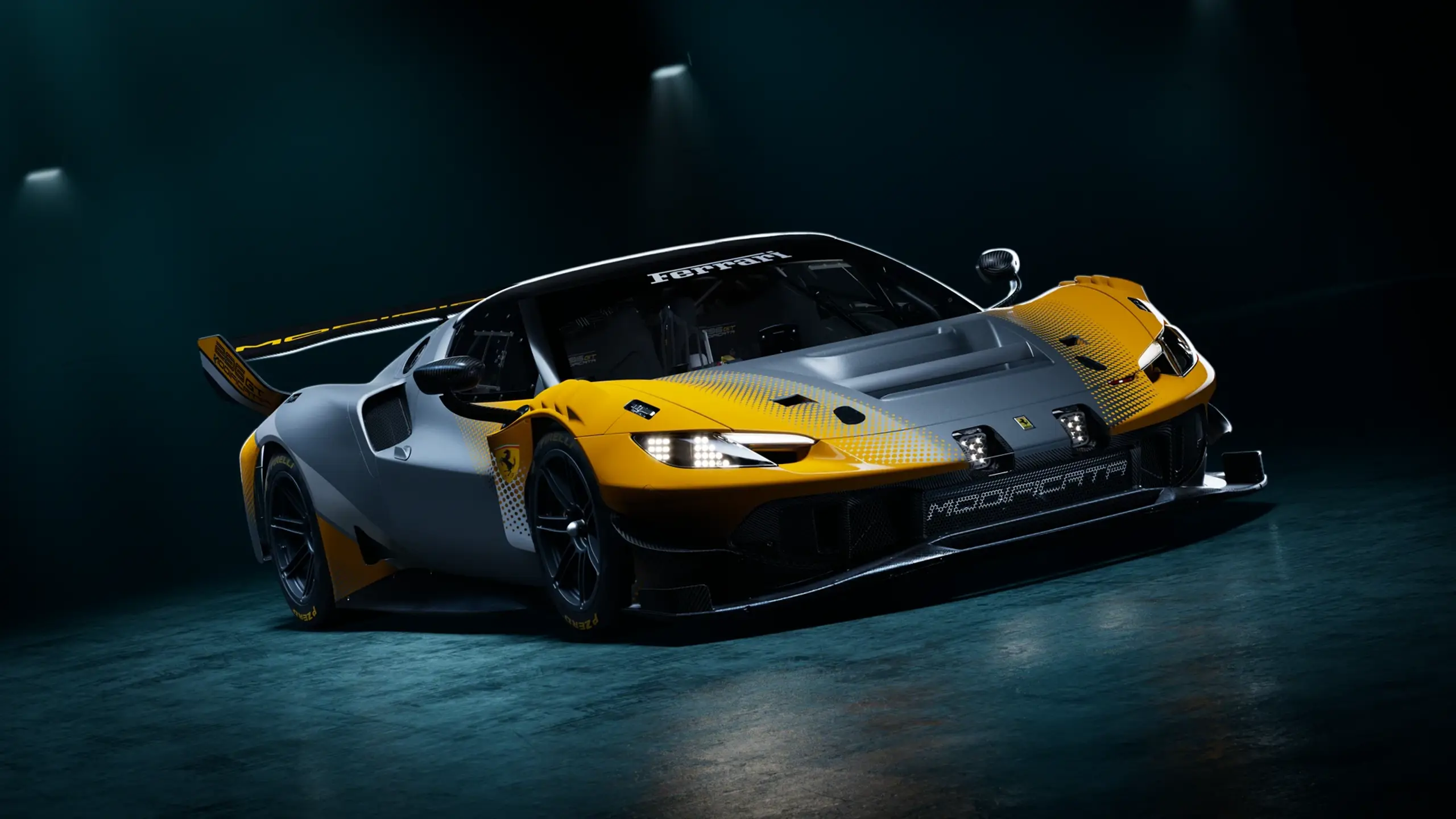
The designation Modificata is not a marketing invention. It traces back to 1970, when Ferrari unveiled the 512 M, a direct evolution of the 512 S with a lighter V12 producing 610 CV, new four-valve-per-cylinder heads and more aerodynamic bodywork, free from the constraints of any technical or sporting regulation and built to a single brief: maximum performance. In the decades that followed, the name appeared on both track-only machines and exceptional road cars, the F512 M, the 456M GT, the 575M Maranello, the Portofino M, each one an extreme reinterpretation of an existing model, unbound by the compromises that competition regulations impose. The 296 GT Modificata, presented at the Ferrari Racing Days event in Budapest on 13 September 2026, continues that lineage with a 2,992 cc 120-degree V6 producing 730 CV at 7,500 rpm, 130 more than the 296 GT3 Evo it is derived from, and a specific power output of 244 CV per litre that sets a new Ferrari benchmark for this architecture. The car is produced in extremely limited numbers exclusively for the Club Competizioni GT programme, the non-competitive track events Ferrari organises for its customers, continuing in the direct footsteps of the 488 GT Modificata of 2020 and the 499P Modificata of 2023. It picks up where those cars left off and, according to Ferrari's engineers, laps the Fiorano circuit three seconds faster than the GT3 Evo from which it was developed.
730 CV, Modified Turbos and a Transmission Tuned for Pure Track Use
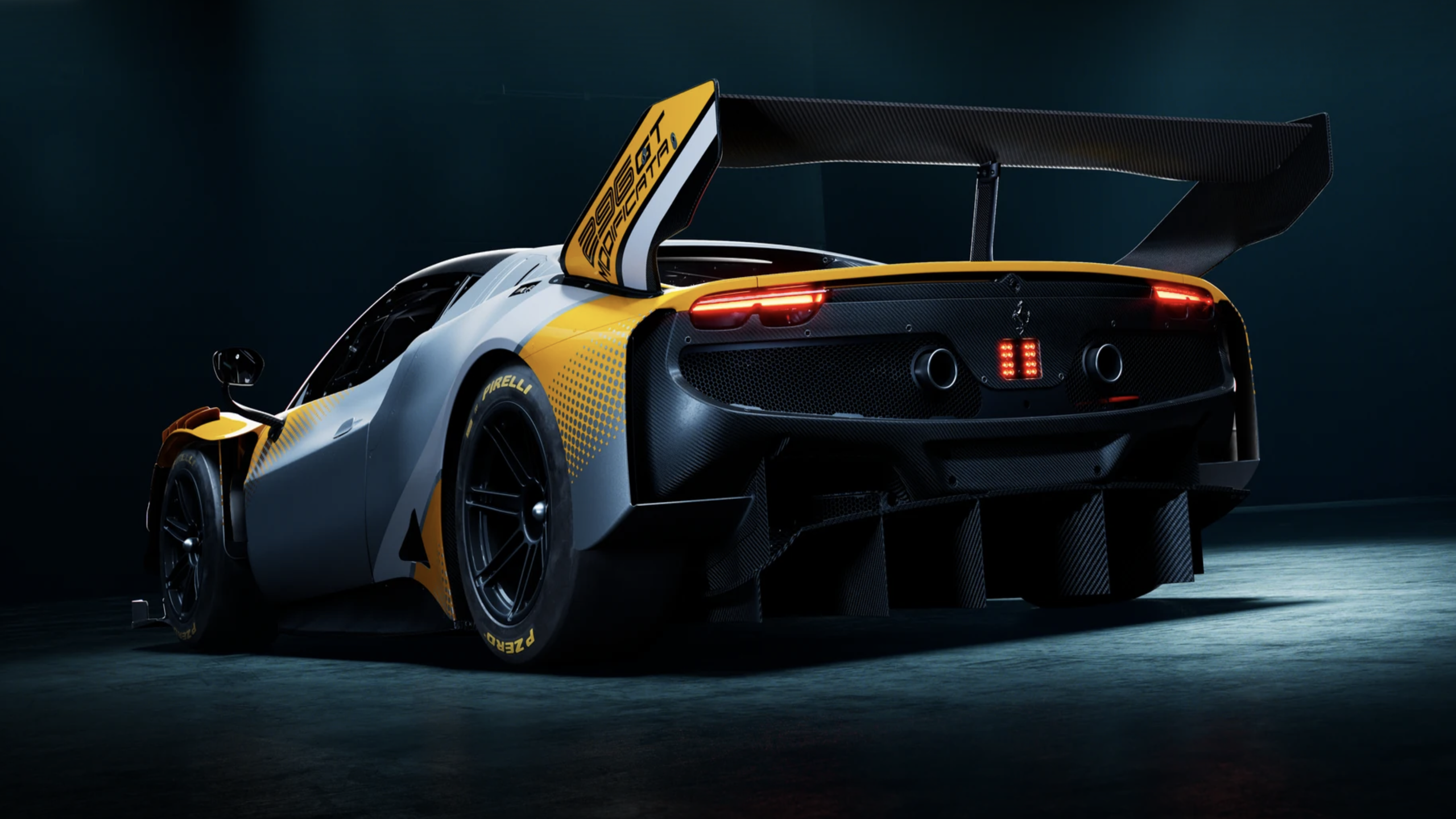
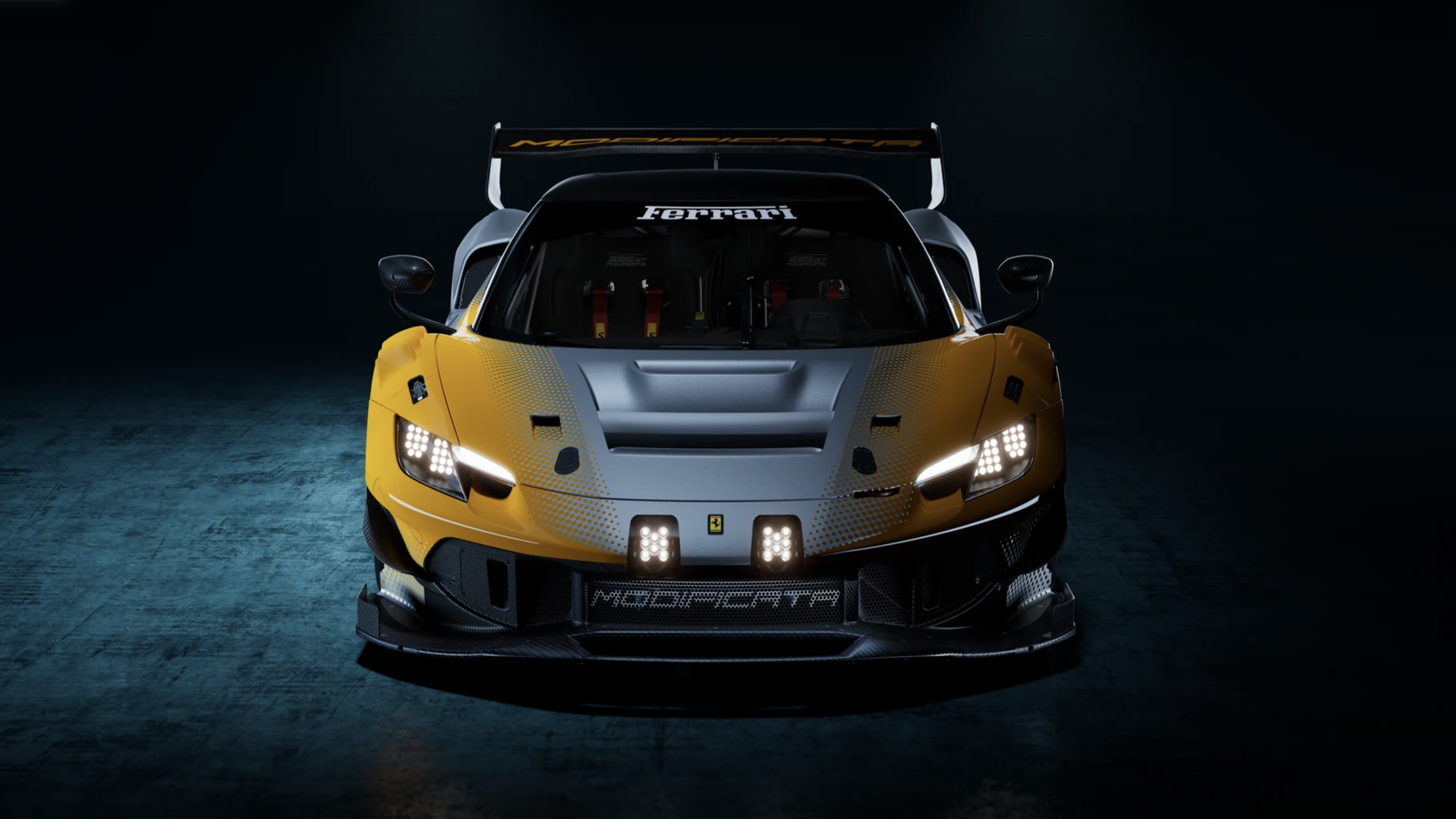
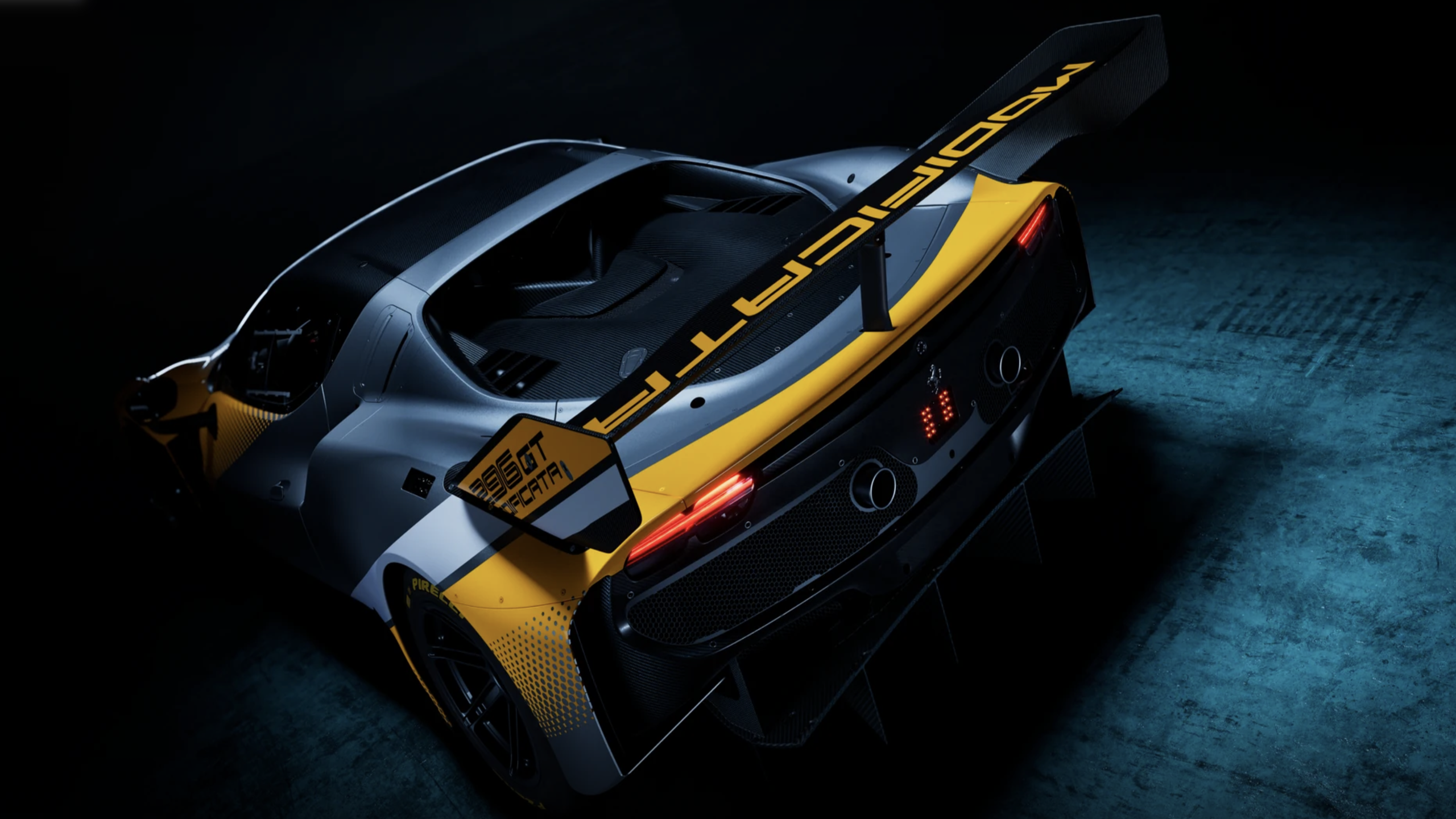
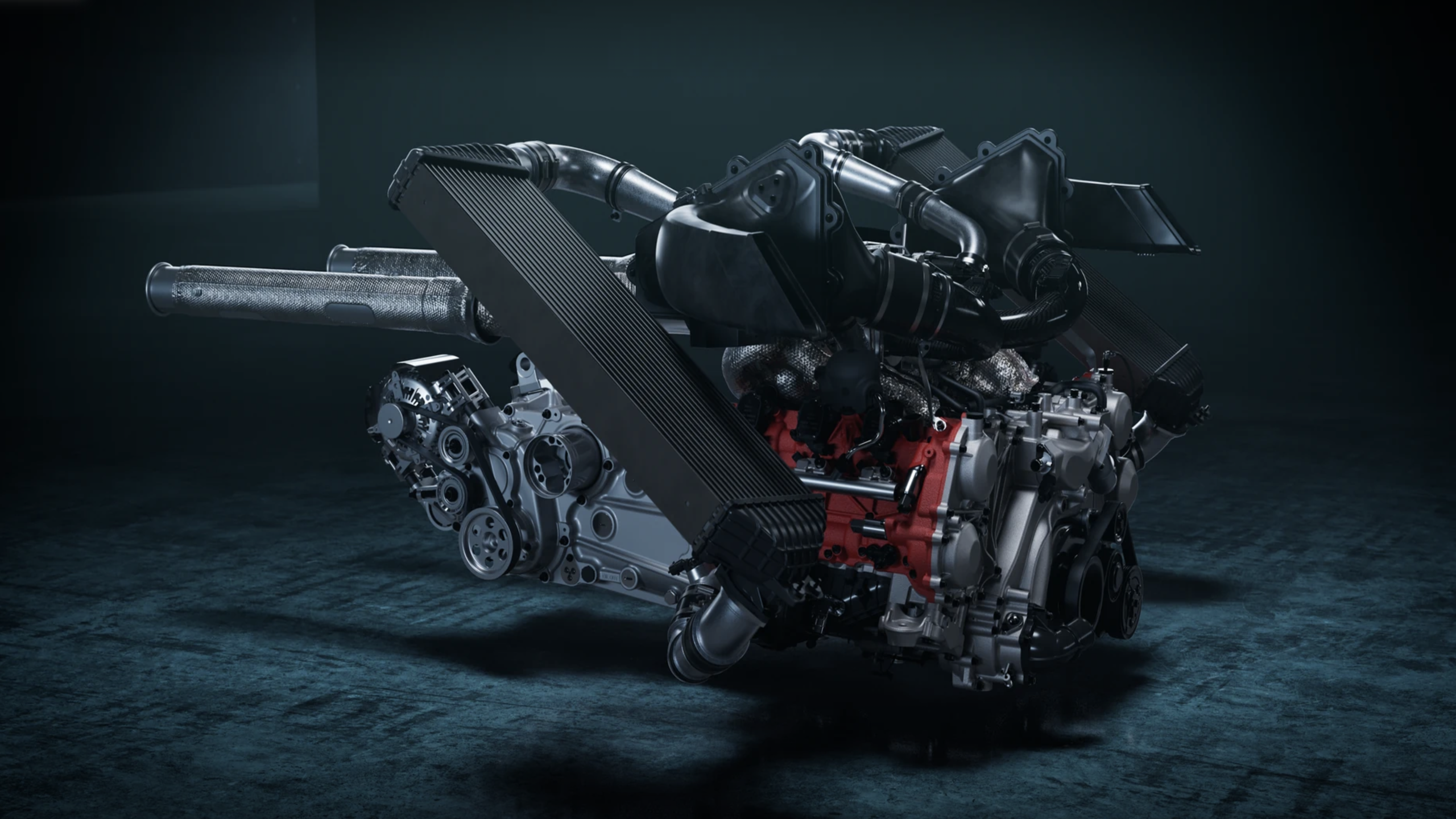
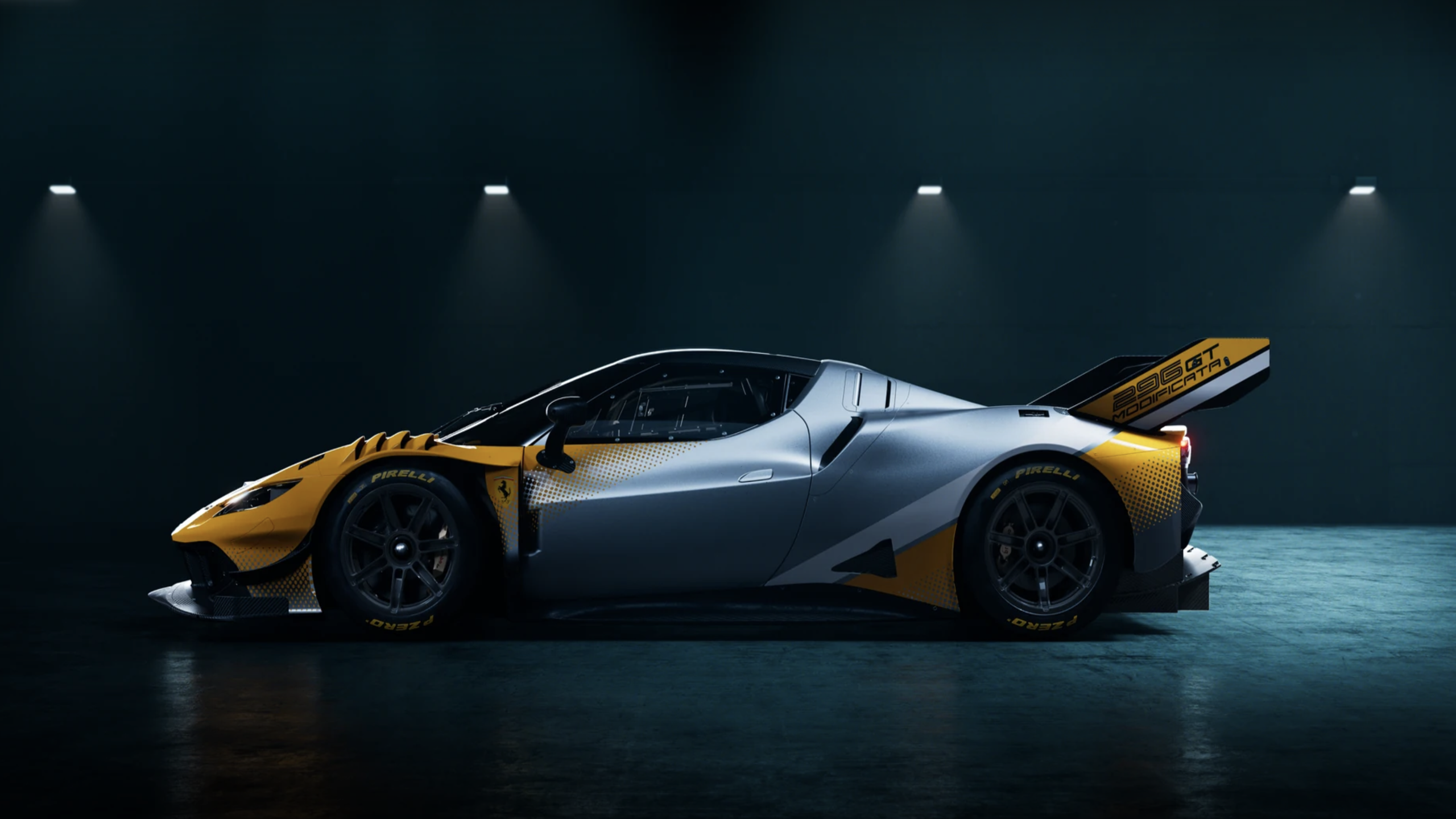
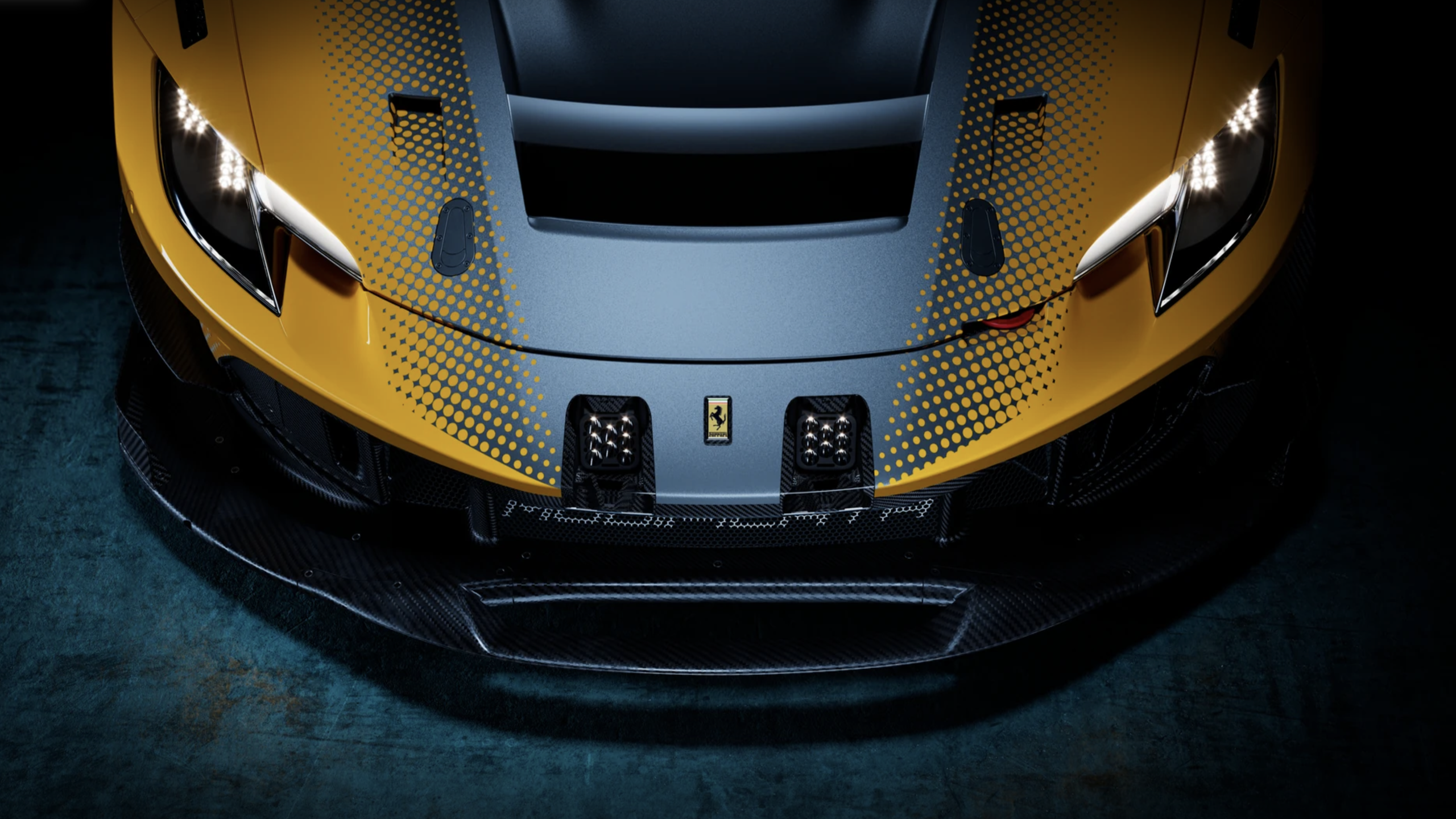
The engine of the 296 GT Modificata shares its architecture and fundamental design with the powerplant of the 296 GT3 Evo but introduces focused modifications throughout: the cranktrain, camshafts, induction line, intercoolers and turbochargers have all been reworked to maximise the engine's output beyond what Balance of Performance regulations permit in competition. The turbocharger housings share their exterior geometry with the GT3 Evo units while their internal components were designed specifically for this application, drawing on experience accumulated with the 499P Modificata, a technical thread that connects Ferrari's customer track programme directly to the machinery that won the 24 Hours of Le Mans in 2023, 2024 and 2025. The fuel system was optimised for the increased flow demands of the higher-output engine, with a supplementary low-pressure pump added. New drive ratios for the six-speed sequential gearbox with carbon clutch were developed specifically to exploit the 296 GT Modificata's extended operating range, maximising both performance and driving engagement for non-competitive track use. The aerodynamic package was developed with equal specificity. At the front, a new Slotted Splitter improves airflow management along the underbody and increases overall downforce generation, while a redesigned bonnet with a larger main aperture and a dedicated vane deflects hot air exiting the central radiator away from the lateral intercoolers. At the rear, a completely new wing architecture introduces a new centre pylon, a 5mm Gurney flap and structural endplates inspired directly by the 499P that simultaneously manage the vortices generated by the wing's increased performance and carry structural loads. Additional air intakes for brake cooling, front and rear, address the thermal management demands created by 730 CV in sustained track use, where braking system consistency is as critical as peak output.
Two Seats, an Intercom and the Logic of Learning
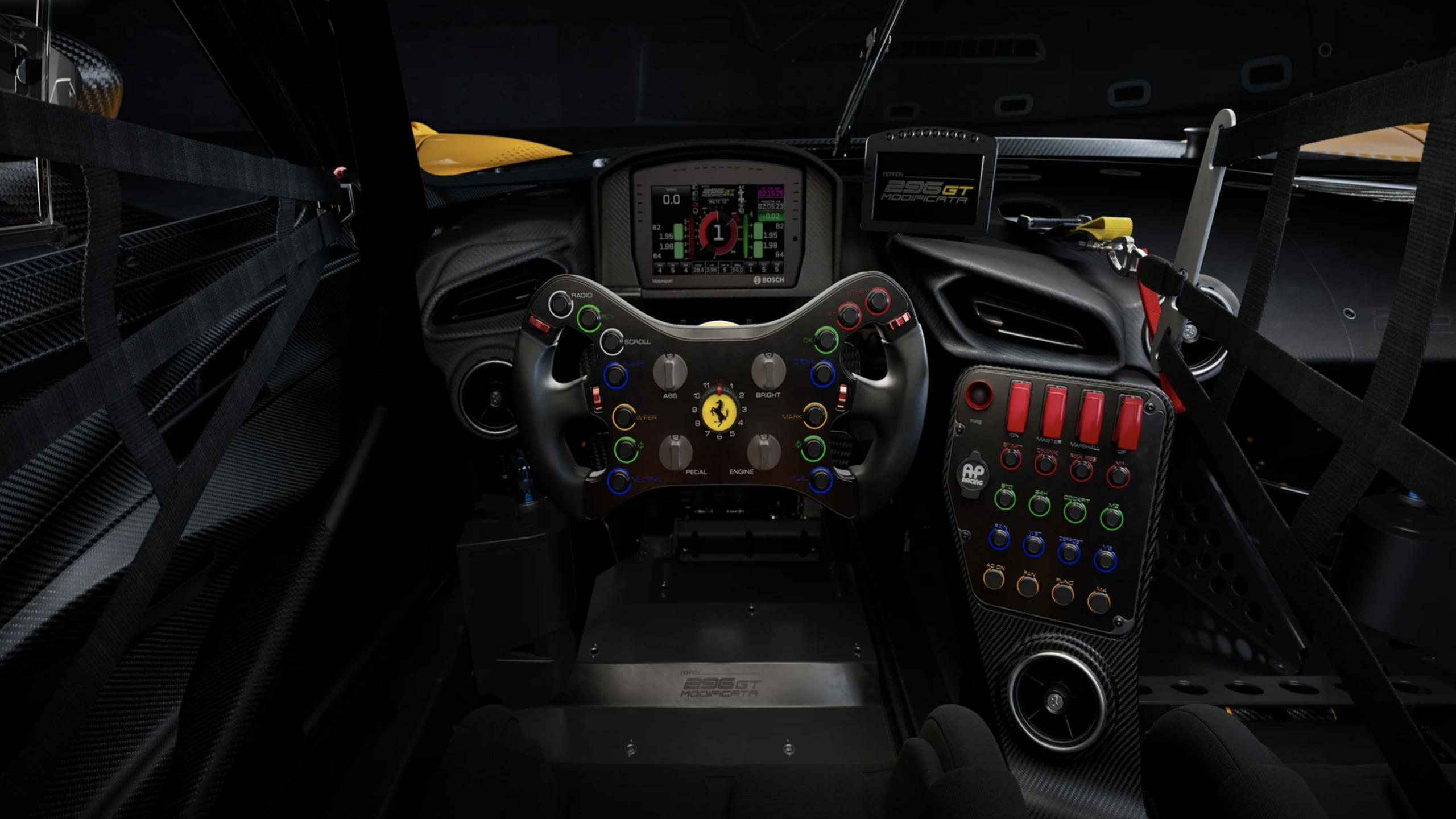
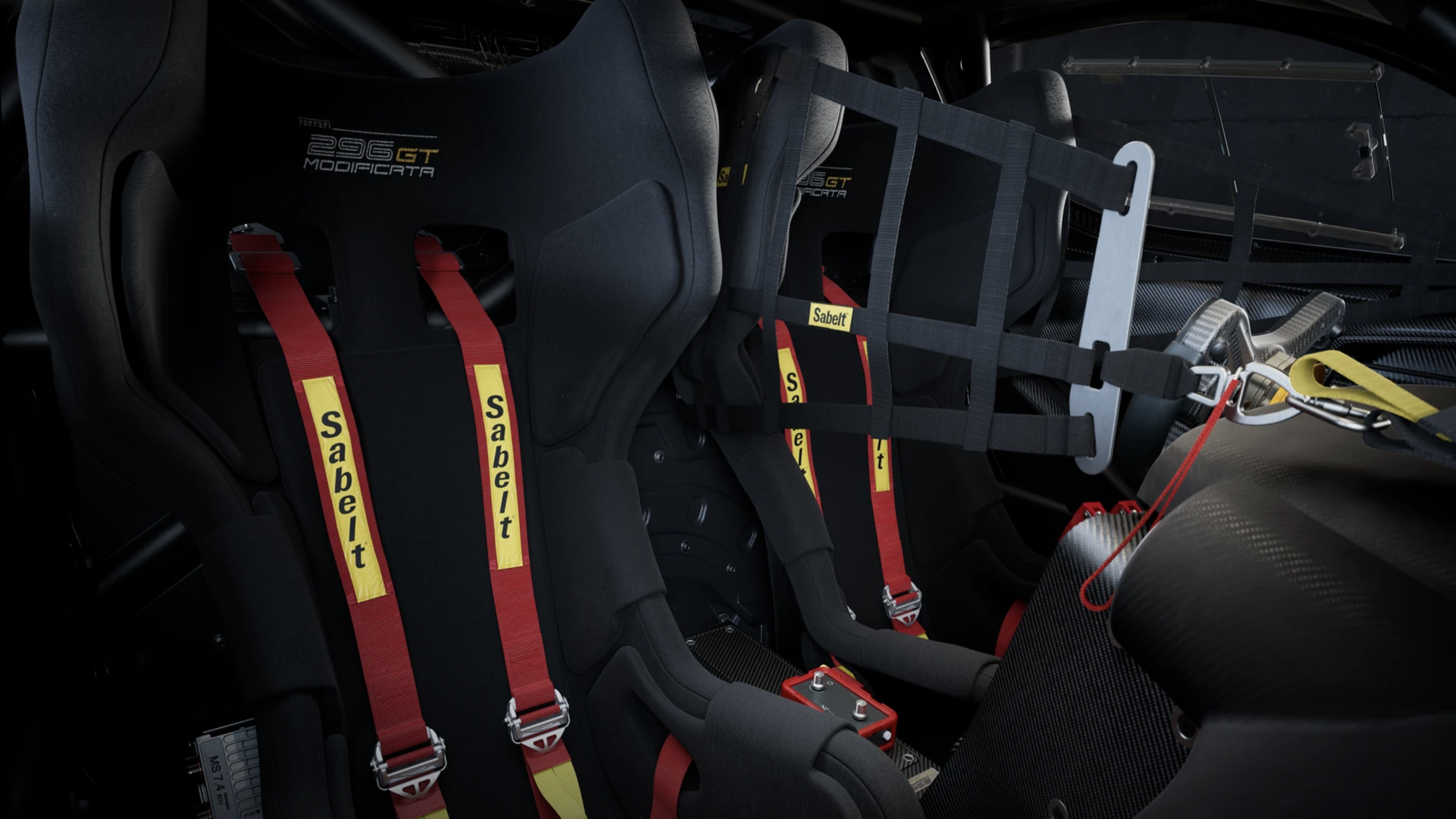
The 296 GT Modificata was conceived around two purposes that are rarely combined in a car of this capability: allowing drivers to develop their skills at the limit, and allowing them to share that experience with a passenger. Modifications to the roll bar made it possible to fit a second seat within the racing cabin, with its own dedicated footrest and an integrated intercom system that allows driver and passenger, or driver and instructor, to communicate continuously during timed sessions. The two-seat configuration makes the 296 GT Modificata genuinely usable as a tool for coaching, combining the real-time feedback of being physically present in the car with the immediacy of communication during the session itself, rather than relying on debrief alone. The car arrives fully equipped for immediate participation in the Club Competizioni GT programme, including a Data Acquisition System with additional sensors, pitot tubes for measuring air speed, damper potentiometers, brake temperature sensors, VideoBox Premium for recording driver sessions, Rear Camera Premium and IRTPMS Step 2 tyre pressure and temperature monitoring. A carbon clutch, professional seat harnesses and an extra cabin cooling fan are also included as standard, features that are optional on the 296 GT3 Evo. Optional additions include a rear radar warning system for approaching cars and a full range of livery colour schemes available from the Ferrari Design Studio.
The Philosophy of Extreme, Without Constraint
What distinguishes the Modificata programme from any other Ferrari special project is the specific freedom it operates within. A GT3 car must meet Balance of Performance regulations. A homologated road car must meet safety and emissions standards. A Modificata meets neither set of constraints, it exists only to exploit the full potential of the engineering and technology that Ferrari develops for competition, translated into a machine its owners can experience directly, at the limit, on a circuit. Since 1970, that freedom has produced some of the most significant cars in Maranello's history. The 296 GT Modificata adds its name to that list with 730 CV, three seconds per lap at Fiorano beyond the GT3 Evo, and the knowledge that the turbocharger internals share their development lineage with the machinery that brought Ferrari the overall Constructors' and Drivers' titles in the FIA World Endurance Championship in 2025 after 53 years. In a car produced in extremely limited numbers for customers who will use it on circuit, that connection is not incidental. It is the entire point.