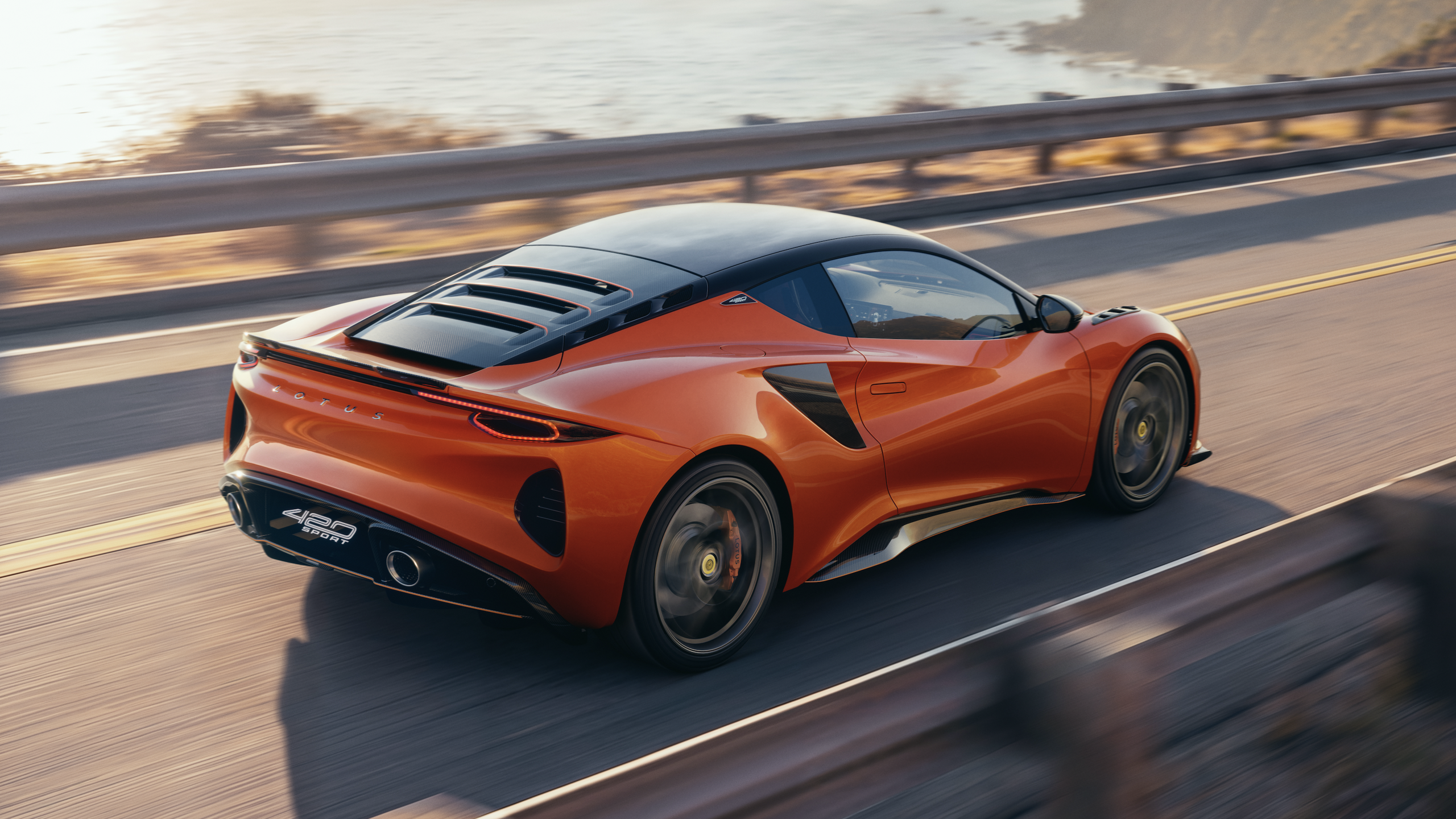
Engineering Lightness in an Era of Complexity
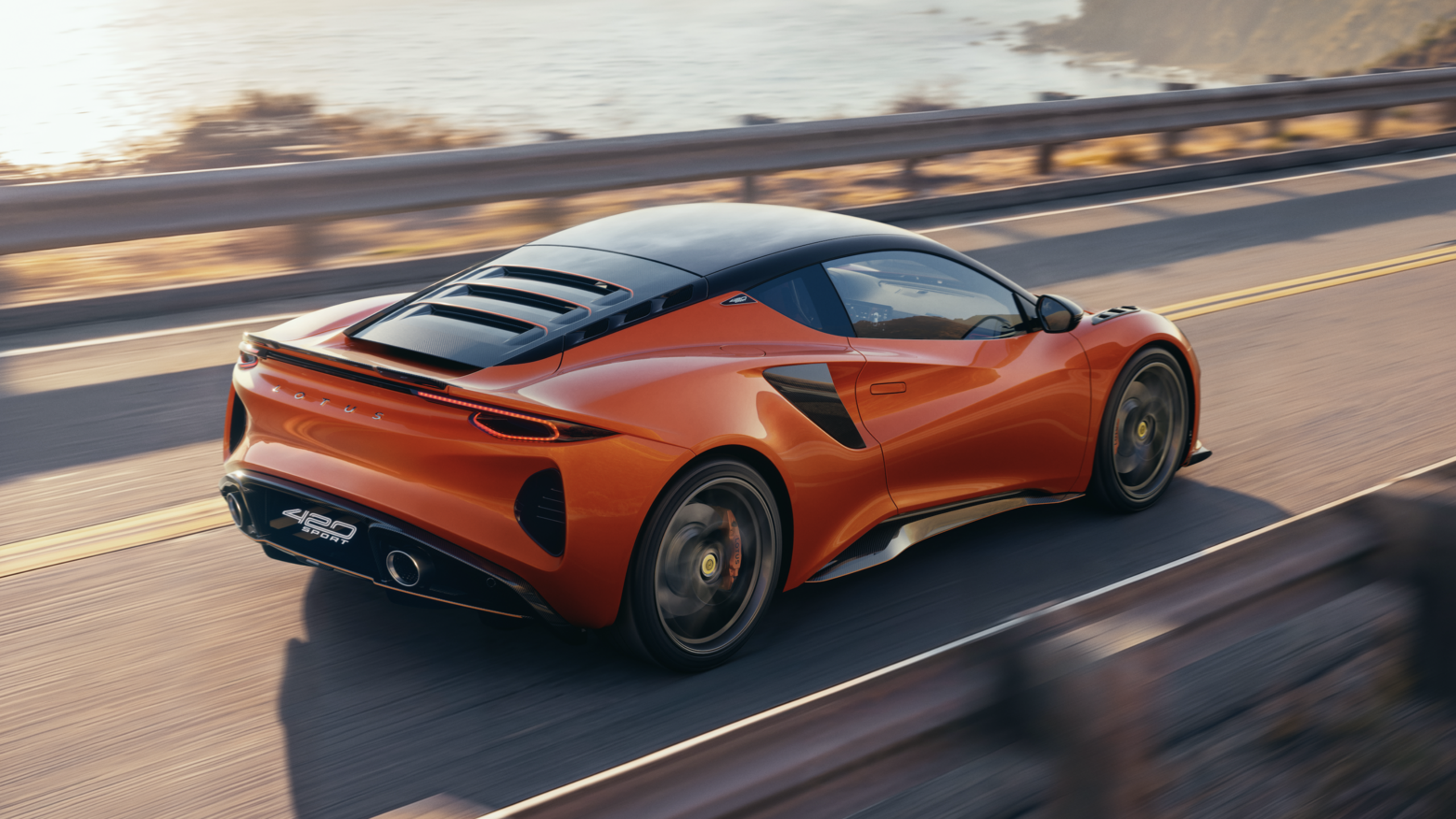
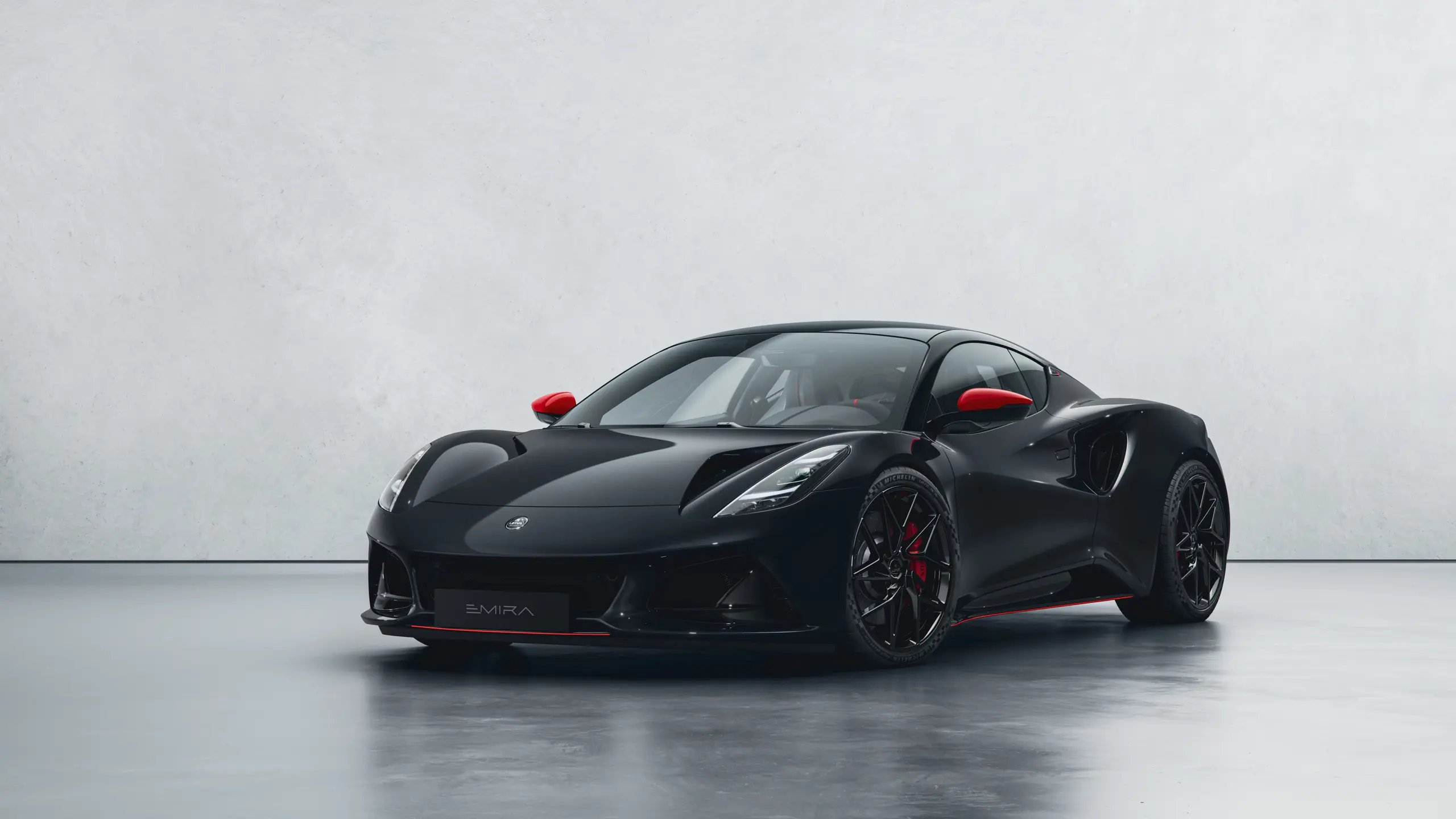
At a time when performance cars continue to grow heavier, larger and increasingly digital, Lotus has chosen a different direction with the unveiling of the Lotus Emira 420 Sport. Rather than reinventing the Emira through excess power or theatrical design, Lotus has refined it through reduction, less weight, sharper responses and a more focused connection between driver and machine. Positioned at the apex of the Emira range, the 420 Sport represents the most concentrated expression of the company’s contemporary philosophy. Every revision serves a singular purpose: improving agility, communication and consistency under demanding conditions. Carbon fibre, titanium and lightweight engineering are not used for spectacle, but as instruments to sharpen the car’s character. The result is a car that feels distinctly Lotus in its priorities. While the wider performance segment increasingly pursues complexity and overwhelming capability, the Emira 420 Sport remains centred on clarity, on how a car responds, settles and communicates through every movement. It is less concerned with domination and more focused on involvement.
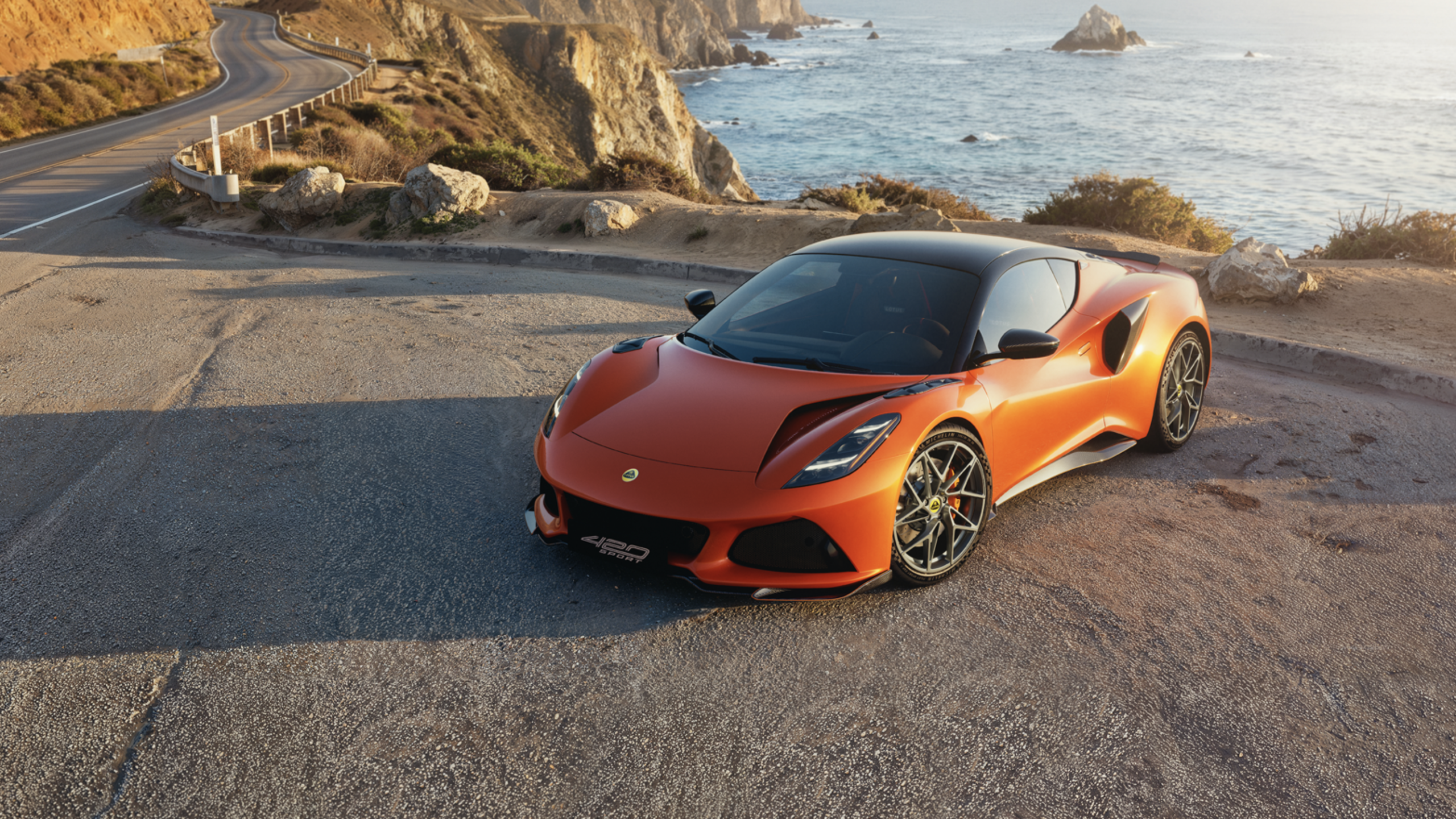
Reduced Weight, Sharpened Responses
At the heart of the Lotus Emira 420 Sport is a 2.0-litre turbocharged four-cylinder engine producing 420PS and 500Nm of torque, paired with an eight-speed dual-clutch transmission calibrated for faster and more immediate response. The performance figures are suitably serious, 0–62mph in 3.9 seconds and a top speed of 186mph, yet the defining characteristic of the car lies not in outright speed, but in how precisely that performance is delivered. The optional Lightweight Handling Pack transforms the Emira further. Two-way adjustable Multimatic dampers, a titanium exhaust system, lithium-ion battery and carefully integrated carbon-fibre components reduce overall weight by 25 kilograms while simultaneously increasing aerodynamic load. The engineering philosophy is unmistakably Lotus: improve performance not through brute force, but through balance and efficiency. What distinguishes the 420 Sport is the sense of mechanical intentionality running through every component. Nothing appears decorative or unnecessary. The recalibrated suspension, lower ride height and revised chassis settings all work together to produce a more alert and connected driving experience without sacrificing the composure that has defined the Emira since launch.
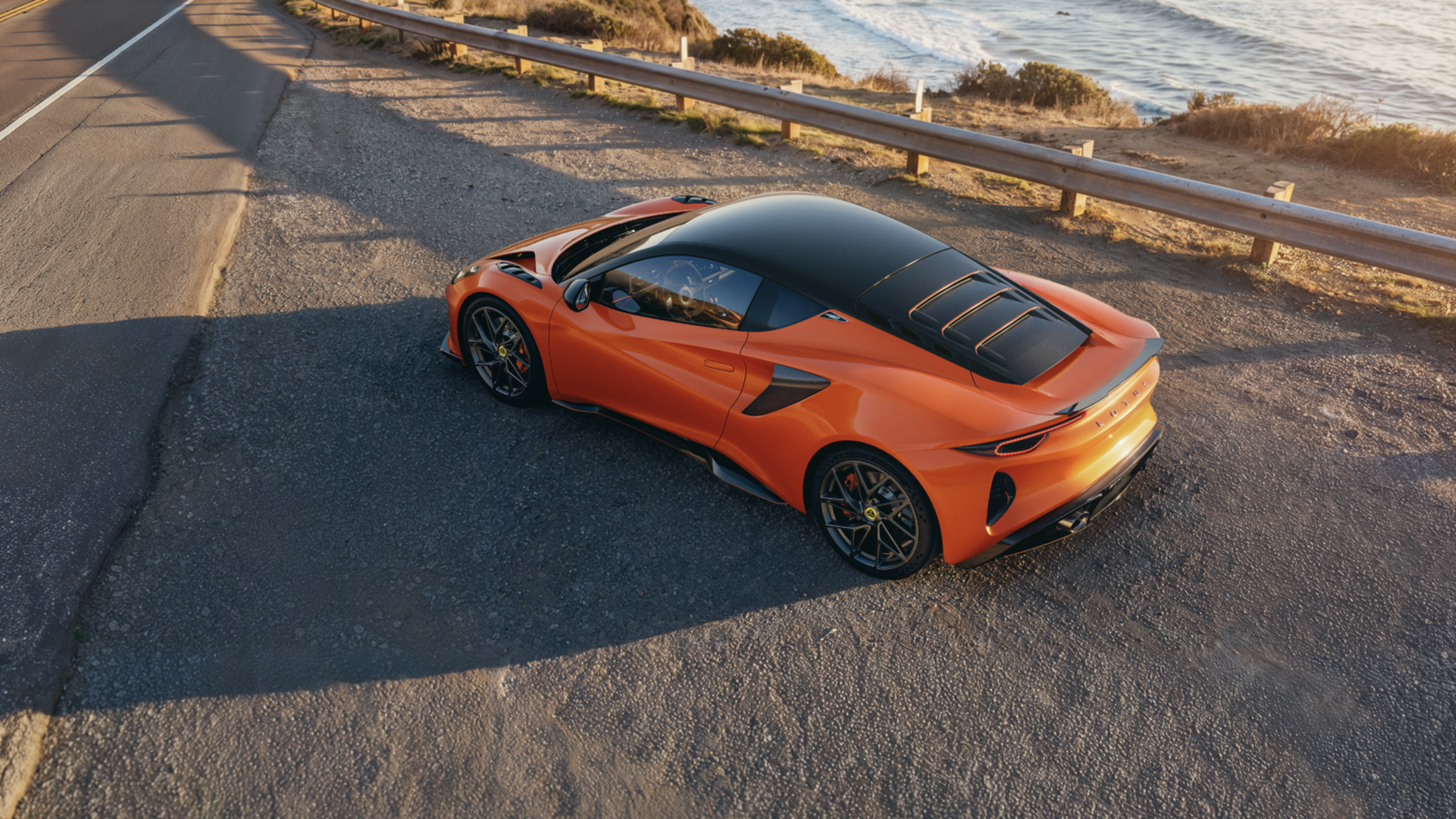
Aerodynamics Inspired by Function and Heritage
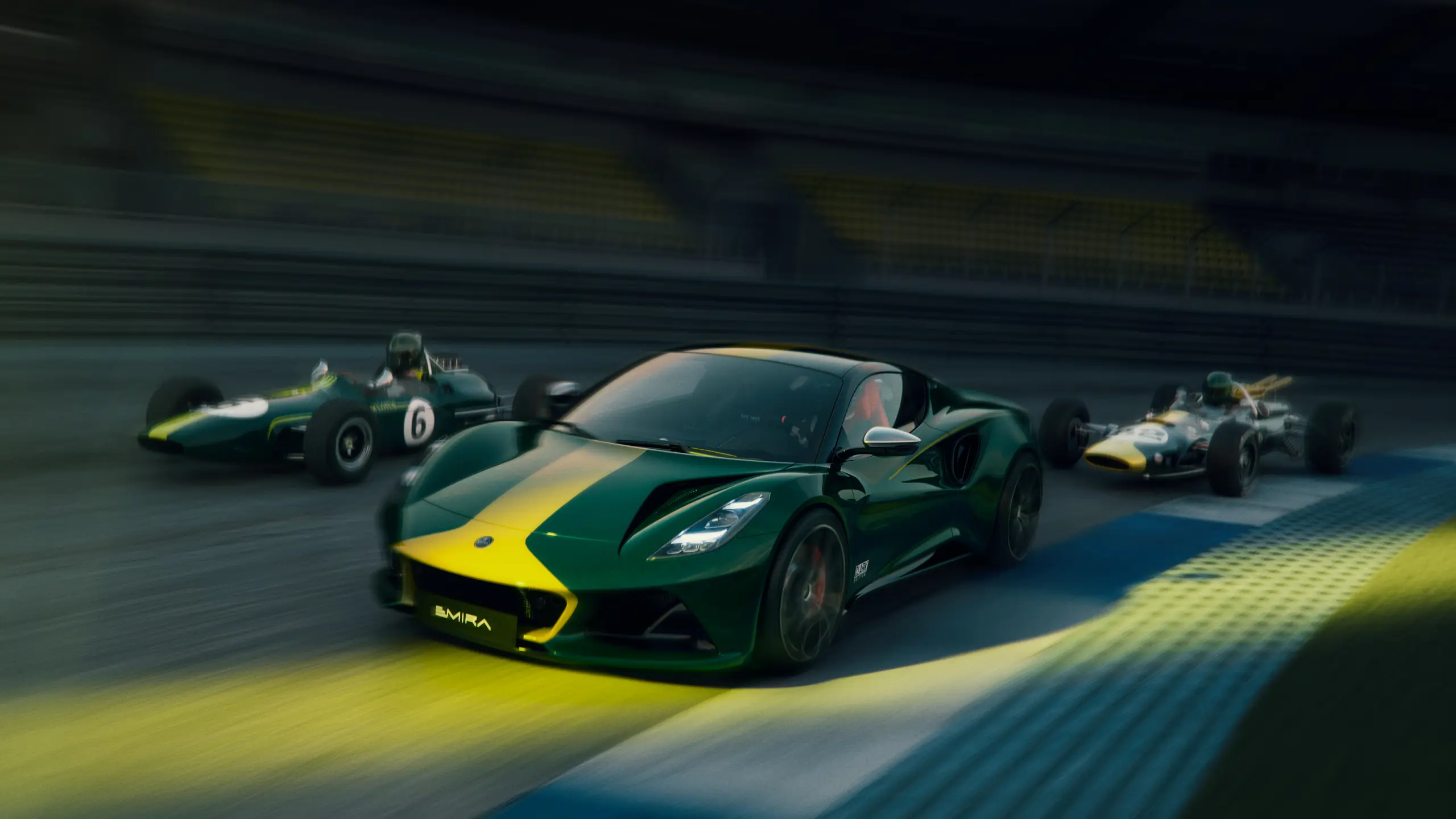
The visual revisions introduced on the Lotus Emira 420 Sport are subtle, yet highly functional. A redesigned front splitter, larger air intakes, revised vents and a louvred tailgate all contribute to measurable aerodynamic and cooling improvements, allowing the car to maintain consistent performance during sustained high-speed or track driving conditions. Importantly, these aerodynamic additions avoid the exaggerated aggression that often dominates modern performance design. Instead, Lotus integrates them with restraint, preserving the Emira’s elegant proportions while subtly increasing visual tension. The added downforce feels engineered into the architecture rather than attached onto it. There is also a clear connection to Lotus heritage throughout the detailing. Certain surface treatments and airflow solutions quietly reference the visual language of the Lotus Esprit Turbo, particularly in the treatment of vents and body-side sculpting. Rather than relying on nostalgia, the Emira 420 Sport interprets these historical cues through a more contemporary and technically refined lens.
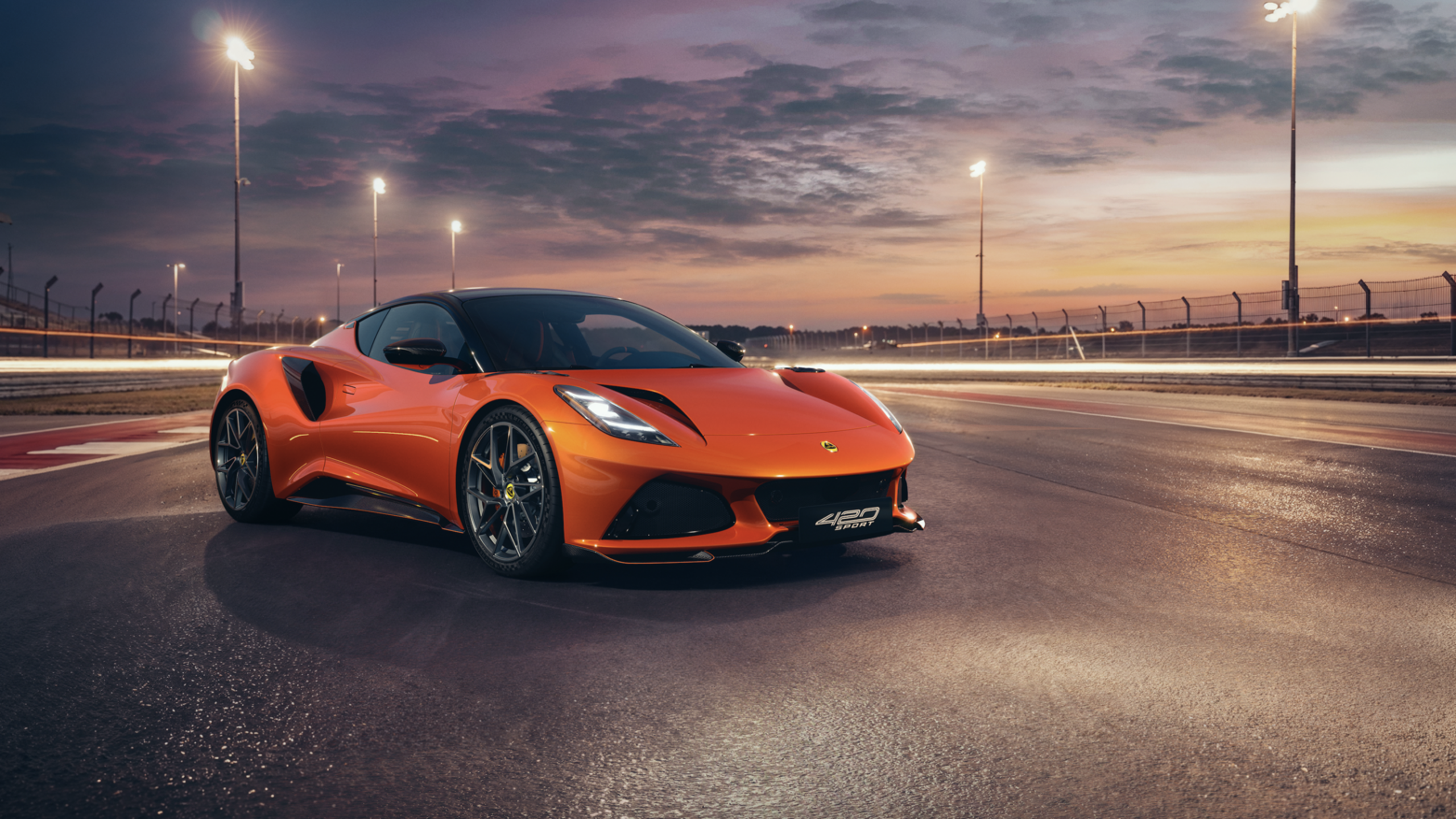
Open-Air Driving and the Future of Lotus Engagement
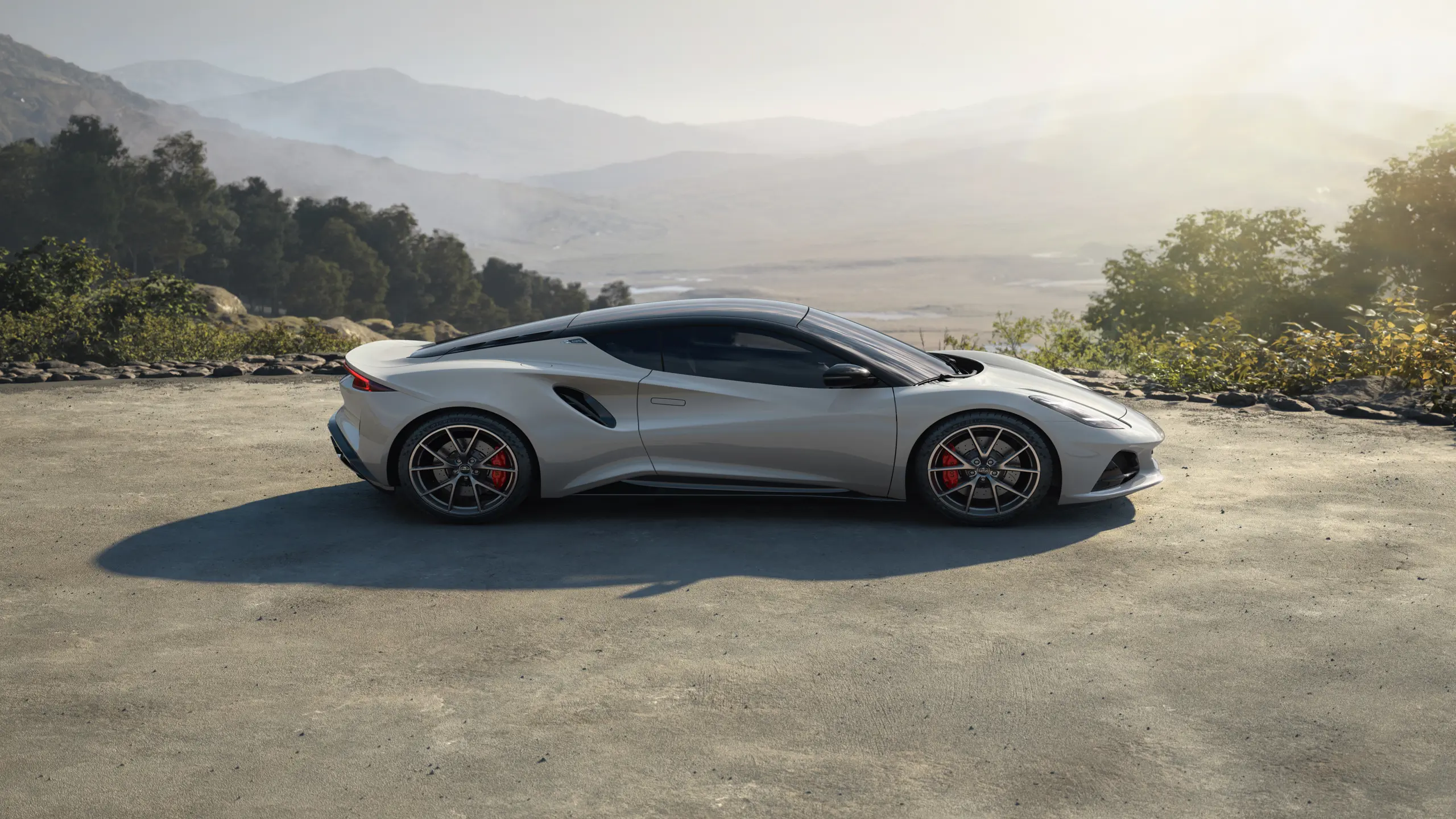
For the first time since the Emira’s introduction, Lotus has introduced a removable roof panel, extending the car’s sensory experience beyond the traditional coupé format. Inspired by the Esprit, the tinted glass panel can be removed and stored behind the seats, allowing the Emira to shift naturally between enclosed precision and open-air immersion. This addition reflects the broader philosophy behind the 420 Sport itself. The car is not engineered solely for track capability, but for emotional versatility, for the changing moods and textures of driving. The open roof introduces greater exposure to sound, movement and atmosphere without compromising the structural precision that defines the Emira platform. Inside the cabin, the same driver-focused clarity remains intact. Carbon-fibre paddles, revised haptic controls and supportive seating reinforce the sense of purposeful simplicity. There is little unnecessary distraction; instead, the interior prioritises ergonomics, tactility and direct interaction. In many ways, the Emira 420 Sport feels like a statement about what Lotus intends to preserve moving forward. Even as the automotive industry accelerates toward electrification and digital abstraction, this car continues to value lightness, feedback and mechanical intimacy. It is not merely the fastest or most powerful Emira yet, it is arguably the purest articulation of the Lotus philosophy in its modern era.